Getting All-on-4 or All-on-6 dental implants can be a significant step towards restoring your smile and enjoying everyday activities with greater confidence. But what happens after your new teeth are fitted?
One of the most important things to understand is that fixed implant teeth still require daily cleaning and regular professional maintenance. Although the replacement teeth themselves do not develop tooth decay like natural teeth, plaque and bacteria can accumulate around the implants and the surrounding gums.
Without proper care, inflammation can develop and potentially affect the bone supporting your implants.
At Pain Free Dentist Sydney in Dulwich Hill, we believe that understanding how to care for your new teeth is an essential part of the full-arch dental implant journey.
Why Is Looking After All-on-4 and All-on-6 Implants Important?
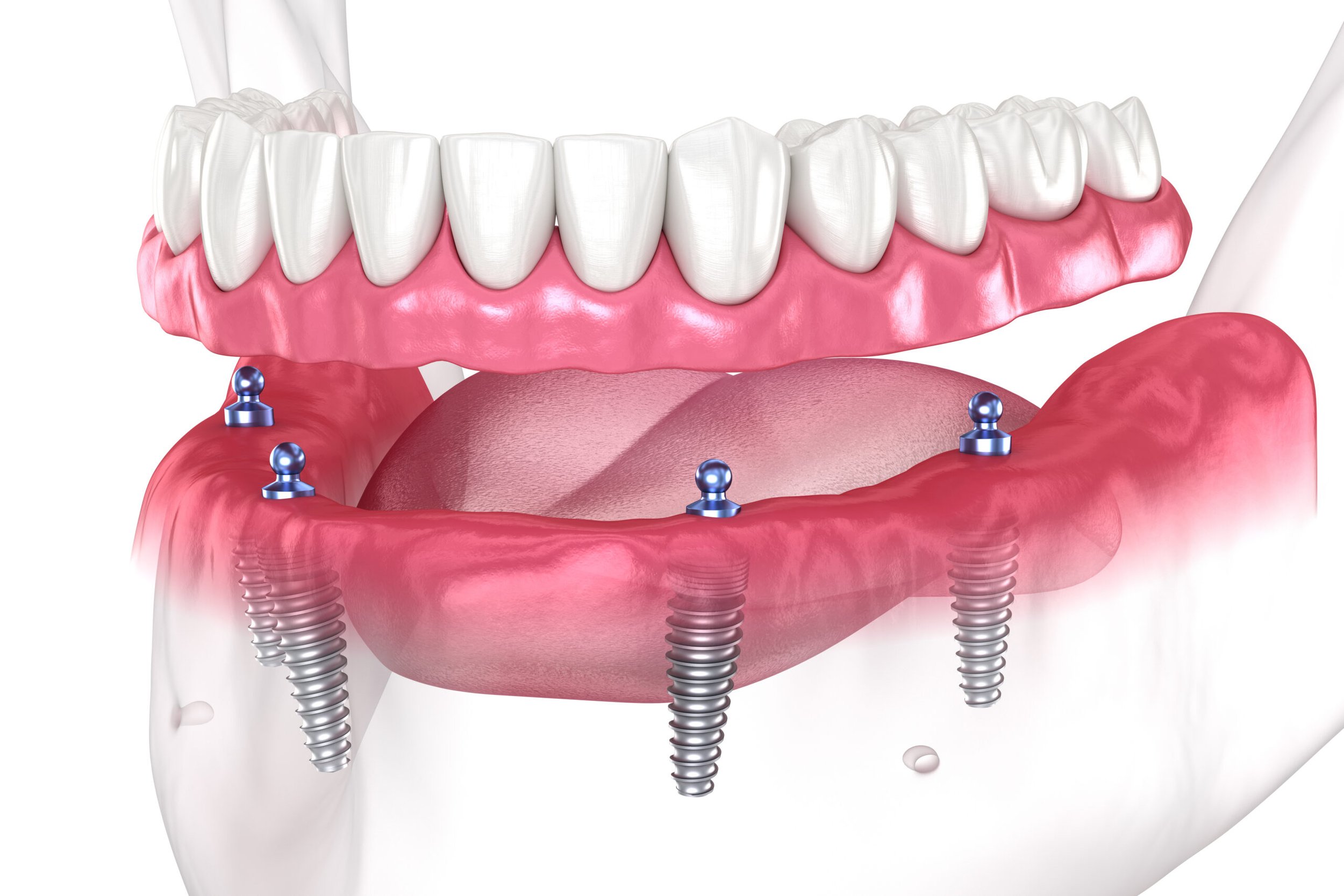
All-on-4 and All-on-6 treatments use dental implants to support a fixed bridge that replaces an entire arch of teeth.
Because the bridge is connected as one restoration, some areas underneath it can be difficult to reach with an ordinary toothbrush. Food debris and plaque may accumulate around the gum line, beneath the bridge and around the implant components.
Good oral hygiene helps reduce the risk of inflammation and supports the health of the tissues surrounding your implants.
Long-term maintenance also allows your dentist to monitor the condition of the bridge, check your bite and identify potential problems before they become more complicated.
1. Brush Your Implant Teeth Every Day
Brushing remains essential even when your teeth are supported by dental implants.
Aim to clean your teeth at least twice daily, using a toothbrush and toothpaste suitable for your restoration.
Pay particular attention to:
The outer surfaces of the bridge.
The inner surfaces facing your tongue.
The biting surfaces of the replacement teeth.
The area where the bridge meets your gums.
Use gentle, thorough brushing rather than applying excessive pressure. Your dentist may recommend a particular toothbrush depending on your bridge design and the condition of your gums.
If you have natural teeth remaining in the opposite arch, those teeth also require normal preventive care.
2. Do Not Forget to Clean Underneath the Bridge
This is one of the most important parts of maintaining a full-arch implant restoration.
Food can become trapped in the space between the underside of the bridge and your gums. This is not necessarily a sign that something is wrong, but the area needs to be cleaned regularly.
Depending on your restoration, your dentist may recommend specialised implant floss, superfloss, a floss threader, interdental brushes or a water flosser.
These tools help reach areas that a conventional toothbrush cannot easily access.
Ask your dental team to demonstrate the correct technique for your particular bridge. The shape of the restoration, the space beneath it and the type of implants used can affect which cleaning tools are appropriate.
Do not assume that rinsing with mouthwash alone is enough to keep the area clean.
3. Watch for Signs of Gum Inflammation
Dental implants can develop inflammatory conditions affecting the surrounding tissues.
Peri-implant mucositis is inflammation of the gum tissue around an implant. If it progresses, peri-implantitis can involve loss of the supporting bone.
Possible warning signs include:
Bleeding around the implants.
Redness or swelling of the gums.
Tenderness or discomfort.
Persistent bad breath or an unpleasant taste.
Pus or discharge around the implant area.
Changes in how your bridge feels or fits.
These symptoms do not automatically mean an implant is failing, but they should not be ignored.
Contact your dentist promptly if you notice persistent or worsening symptoms. Early assessment can help determine the cause and whether treatment is required.
4. Attend Regular Implant Maintenance Appointments
Even if your implant teeth feel comfortable and look good, regular professional reviews remain important.
During maintenance appointments, your dental team may assess:
The condition of the gums surrounding the implants.
Plaque accumulation and areas that are difficult to clean.
Implant and prosthesis stability.
The condition of the bridge and its components.
Your bite and any signs of excessive wear.
Whether further imaging or other investigations are clinically indicated.
Your maintenance schedule should be personalised according to your oral health, medical history, risk factors and the design of your restoration.
Regular appointments are not simply about cleaning your teeth. They also help your clinician monitor changes that may not be obvious to you at home.
5. Take Teeth Grinding Seriously
Do you clench your jaw during the day or grind your teeth while sleeping?
Excessive clenching and grinding, also known as bruxism, can place additional forces on implant-supported bridges and their components.
Over time, these forces may contribute to chipped or worn prosthetic teeth, loose components or other mechanical complications.
If you have a history of grinding, tell your dentist before implant treatment begins. Your bite and restoration design may need particular attention.
Following treatment, a protective night guard may be recommended in appropriate cases. Regular assessment of your bite can also help identify changes that need attention.
6. Be Careful While Your Implants Are Healing
The period following implant surgery is particularly important because the implants need time to integrate with the surrounding bone.
Your dentist will provide specific instructions about your diet, oral hygiene, activity and follow-up appointments.
Depending on your treatment plan, you may need to eat softer foods for a period and avoid placing excessive pressure on the temporary bridge.
Do not assume that having fixed temporary teeth means you can immediately return to eating every type of food.
Follow the instructions provided by your treating clinician, as the appropriate healing period and dietary restrictions vary between patients.
Contact your dental team if you experience worsening pain, significant swelling, persistent bleeding or a change in the stability of your temporary teeth.
7. Choose Foods Carefully and Protect Your Restoration
Once your implants have healed and your dentist has cleared you for a more varied diet, you may be able to enjoy a wide range of foods again.
However, implant-supported bridges can still experience wear, chipping or mechanical complications.
Very hard foods, chewing on hard objects and biting forcefully on unsuitable items may damage the restoration.
Good dietary habits also support your overall oral health. Although implant-supported teeth do not decay, the surrounding tissues remain vulnerable to plaque-related inflammation.
Your dentist can advise you on any food restrictions that apply to your particular restoration.
8. Do Not Assume Your Implant Teeth Are Maintenance-Free
One common misconception is that dental implants eliminate the need for ongoing dental care.
In reality, implant-supported teeth need consistent home cleaning and professional monitoring.
The bridge itself may require maintenance or repair over time. Components may loosen, restorative materials may wear, and the tissues around the implants can change.
Routine reviews give your dentist an opportunity to assess these issues and recommend appropriate care.
The aim is to protect both the implants and the bridge they support, while maintaining healthy surrounding tissues.
Frequently Asked Questions About All-on-4 and All-on-6 Maintenance
Can I clean my All-on-4 or All-on-6 teeth like natural teeth?
You can brush the visible surfaces much as you would natural teeth, but cleaning underneath the bridge requires additional attention. Your dentist will show you which tools are appropriate for your restoration.
Can food get stuck underneath my implant bridge?
Yes. Food may collect in the space beneath the bridge. This is common, but the area should be cleaned daily using the recommended tools. If food repeatedly becomes trapped in the same location, ask your dentist to check the area.
Can dental implants become infected?
The tissues around dental implants can become inflamed, and more advanced disease may affect the supporting bone. Good oral hygiene, professional maintenance and early assessment of warning signs help reduce the risk of complications.
Do I still need dental check-ups if my implant teeth feel fine?
Yes. Problems affecting the gums, supporting bone or bridge components may develop without obvious symptoms in the early stages. Regular reviews help your dentist monitor your restoration and overall oral health.
Can I grind my teeth with All-on-4 or All-on-6 implants?
Yes. Grinding can place excessive forces on the bridge and its components. Tell your dentist if you clench or grind so that appropriate bite assessment and protective measures can be considered.
Protect Your Smile with Ongoing Implant Care
All-on-4 and All-on-6 dental implants can provide a fixed solution for suitable patients who need full-arch tooth replacement. However, maintaining the result involves more than the surgery itself.
Daily cleaning, appropriate dietary habits, management of excessive bite forces and regular professional reviews all contribute to ongoing implant care.
At Pain Free Dentist Sydney in Dulwich Hill, we encourage patients considering full-arch dental implants to understand both the treatment process and the commitment to long-term maintenance.
If you are considering All-on-4 or All-on-6 dental implants, arrange a consultation to discuss your options, individual suitability and the care needed to maintain your restoration.
Pain Free Dentist Sydney
Dulwich Hill, NSW
Phone: 02 9558 8988
Email: info@painfreedentistsydney.com.au
Website: https://painfreedentistsydney.com.au
This article provides general dental information and does not replace individual clinical advice. Follow the post-operative and maintenance instructions provided by your treating dental team.