Do you wake up with a sore jaw, headaches or tightness around your temples? Have you noticed that your teeth are becoming worn, chipped or increasingly sensitive?
These symptoms may be associated with bruxism, a condition involving involuntary teeth grinding or jaw clenching.
Bruxism can occur during sleep or while you are awake. Some people grind their teeth without realising it, while others unconsciously clench their jaws throughout the day, particularly during periods of stress, concentration or physical tension.
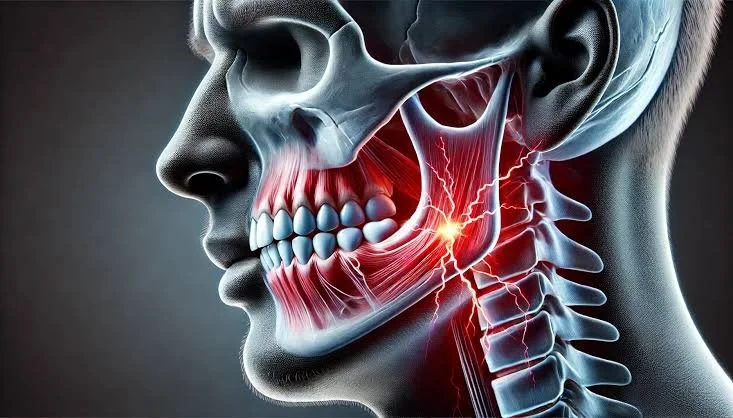
Although occasional teeth grinding may not cause significant problems, persistent bruxism can place considerable pressure on the teeth, jaw muscles and temporomandibular joints (TMJ).
Understanding the causes, recognising the warning signs and seeking appropriate dental assessment can help prevent further damage and manage associated discomfort.
At Pain Free Dentist Sydney in Dulwich Hill, we take a comprehensive approach to assessing teeth grinding, jaw clenching and their possible relationship with TMJ dysfunction.
1. What Is Bruxism?
Bruxism is a repetitive jaw-muscle activity characterised by teeth grinding, clenching or bracing of the jaw.
It is generally classified into two categories.
Sleep bruxism
Sleep bruxism occurs while a person is asleep. It may involve grinding movements, forceful clenching or repetitive activation of the jaw muscles.
Many people are unaware that they grind their teeth until a partner notices grinding sounds or a dentist identifies characteristic tooth wear.
Awake bruxism
Awake bruxism occurs during waking hours and commonly involves unconscious jaw clenching, sustained tooth contact or jaw muscle tension.
It may happen during work, driving, concentrating, exercising or stressful situations.
Unlike sleep bruxism, awake bruxism is often associated with behavioural patterns and increased awareness of jaw muscle activity.
2. What Causes Bruxism?
Bruxism does not have one single cause. It is considered a multifactorial condition, meaning several biological, psychological and lifestyle factors may contribute.
Some commonly associated factors include:
Stress and emotional tension
Stress, anxiety and emotional distress may contribute to increased jaw muscle activity, particularly during waking hours.
Some individuals unconsciously clench their teeth when concentrating, feeling overwhelmed or experiencing emotional tension.
Sleep disturbances
Sleep bruxism is associated with sleep-related arousals and certain sleep disturbances.
Conditions such as obstructive sleep apnoea may coexist with sleep bruxism and warrant further assessment when symptoms suggest a possible sleep disorder.
Lifestyle factors
Certain lifestyle habits may be associated with increased bruxism activity, including excessive caffeine consumption, alcohol use and nicotine exposure.
Medications
Some medications, including certain antidepressants and other centrally acting medicines, may be associated with teeth grinding or jaw clenching in some individuals.
Patients should discuss possible medication-related symptoms with their prescribing doctor rather than stopping medication independently.
Neurological and behavioural factors
The regulation of jaw muscle activity involves complex neurological pathways. Individual susceptibility, nervous system activity and behavioural patterns may influence bruxism.
It is important to understand that bruxism is not simply caused by an incorrect bite. Its underlying mechanisms are more complex than tooth alignment alone.
3. What Are the Signs and Symptoms of Bruxism?
Bruxism can affect the teeth, muscles, jaw joints and surrounding structures.
Common symptoms include:
Worn, flattened or shortened teeth.
Chipped or fractured teeth.
Increased tooth sensitivity.
Jaw muscle tightness or fatigue.
Pain around the temples.
Morning headaches.
Facial muscle tenderness.
Jaw discomfort when chewing.
Clicking or discomfort around the jaw joints.
Difficulty opening the mouth comfortably.
Indentations along the sides of the tongue.
Impressions along the inner cheeks.
Not everyone experiences all these symptoms. Some patients may have significant tooth wear without experiencing obvious pain.
This is why a dental examination can be valuable even when symptoms appear mild.
4. How Does Bruxism Damage Your Teeth?
Your teeth are designed to withstand normal chewing forces. However, repetitive clenching and grinding can expose them to excessive or prolonged mechanical loading.
Over time, this may result in several dental problems.
Enamel wear
The protective enamel covering the teeth may gradually wear down, exposing the underlying dentine and increasing sensitivity.
Cracked teeth
Repeated loading can contribute to cracks, particularly in teeth that already contain large fillings or weakened structures.
Broken fillings and restorations
Dental restorations may experience increased stress, potentially resulting in fractures, loosening or repeated repair requirements.
Changes in tooth shape
Severe tooth wear can shorten the teeth and alter the appearance of the smile.
Changes in the bite
Significant tooth wear or changes in tooth structure may affect how the upper and lower teeth contact during biting and chewing.
Early identification is important because advanced tooth wear can be difficult to restore without comprehensive dental rehabilitation.
5. Bruxism and TMJ Dysfunction: What Is the Connection?
The temporomandibular joints are located on either side of the face, connecting the lower jaw to the skull.
These joints work together with the surrounding muscles, ligaments and supporting structures to allow speaking, chewing and jaw movement.
Bruxism can place repetitive mechanical loads on the jaw muscles and may contribute to muscle fatigue, tenderness and discomfort.
Some patients with bruxism also experience symptoms associated with temporomandibular disorders (TMD), including:
Jaw pain.
Facial muscle tenderness.
Clicking or popping sounds.
Restricted mouth opening.
Pain when chewing.
Headaches around the temples.
Discomfort extending towards the neck.
However, bruxism and TMJ dysfunction are not the same condition.
Not everyone who grinds their teeth develops TMJ pain, and not everyone with TMJ dysfunction has bruxism.
A comprehensive assessment is important to determine which structures may be contributing to the patient's symptoms.
6. Can Bruxism Cause Headaches, Neck Pain and Facial Tension?
Yes, bruxism may contribute to headaches and facial muscle discomfort.
The muscles responsible for chewing, including the masseter and temporalis muscles, can become overactive or fatigued through repetitive clenching.
Some patients experience:
Morning headaches.
Tension around the temples.
Tenderness around the cheeks.
Tightness around the jaw.
Facial fatigue.
Discomfort extending towards the neck.
The relationship between the jaw, head and neck is complex.
Cervical muscle tension, posture, sleep quality and other musculoskeletal factors may also contribute to symptoms.
It is therefore important not to assume that every headache or neck ache originates from the jaw. A broader clinical assessment may be necessary.
7. How Is Bruxism Diagnosed?
Diagnosing bruxism involves understanding the patient's symptoms, identifying clinical signs and assessing possible contributing factors.
During a dental examination, your dentist may evaluate:
Tooth wear patterns.
Cracked or fractured teeth.
Existing restorations.
Jaw muscle tenderness.
Range of jaw movement.
Temporomandibular joint function.
Signs of clenching or grinding.
Bite relationships and dental contacts.
Your dentist may also ask about sleep quality, stress, medications, headaches and other associated symptoms.
In selected cases, additional investigations or referral to a sleep physician or other healthcare professional may be appropriate.
A sleep study may be considered when a sleep-related breathing disorder is suspected.
8. How Is Bruxism Treated?
There is no single treatment that works for every patient with bruxism.
Management depends on the severity of tooth wear, associated symptoms, muscle activity, sleep-related factors and individual circumstances.
The main goals are to protect the teeth, reduce excessive loading, manage discomfort and address contributing factors where possible.
Occlusal splint therapy
A professionally designed occlusal splint may help protect the teeth from direct grinding contact and distribute forces across the dental arch.
Splints are commonly used in patients with significant tooth wear or associated jaw muscle symptoms.
The design, fit and adjustment of the appliance are important. Regular reviews may be necessary to monitor changes in the bite and ensure the splint continues to function appropriately.
Behavioural awareness
For awake bruxism, becoming aware of unconscious clenching can be an important part of management.
A useful reminder is to maintain a relaxed jaw position:
Keep the lips gently together.
Allow the teeth to remain slightly apart.
Relax the jaw muscles.
Avoid unnecessary tooth contact during the day.
Stress management
Relaxation techniques, appropriate psychological support, breathing exercises and improved sleep habits may help patients who experience increased jaw tension during stressful periods.
Physiotherapy
Selected patients may benefit from physiotherapy or other conservative musculoskeletal approaches when jaw, facial or cervical muscle discomfort is present.
Botulinum toxin treatment
In selected cases, botulinum toxin injections into the masseter or temporalis muscles may be considered to reduce excessive muscle activity and associated symptoms.
This treatment does not eliminate the underlying causes of bruxism and should be considered following an appropriate clinical assessment.
Restorative dental treatment
When significant tooth wear or fractures have occurred, restorative treatment may be necessary to rebuild damaged tooth structures.
The timing and type of restoration depend on the stability of the condition, remaining tooth structure and overall treatment objectives.
9. Can Botox Help with Teeth Grinding?
Botulinum toxin is sometimes used as an additional treatment for patients with significant jaw muscle overactivity.
When injected into selected muscles, it temporarily reduces muscle contraction strength.
Potential benefits may include:
Reduced intensity of jaw clenching.
Reduced masseter muscle activity.
Improvement in some patients with associated muscle discomfort.
Reduced muscle-related facial tension.
However, Botox does not necessarily stop the neurological activity associated with sleep bruxism, nor does it protect teeth from all mechanical damage.
Its effects are temporary, and repeated treatment may be required.
There are also potential risks, including chewing weakness, muscle changes and unwanted effects on facial function.
A thorough assessment is important before considering this treatment.
10. Is Bruxism Related to Sleep Apnoea?
There is an observed association between sleep bruxism and obstructive sleep apnoea in some patients.
Obstructive sleep apnoea occurs when the upper airway becomes repeatedly narrowed or obstructed during sleep, resulting in interruptions to normal breathing.
Some patients experience sleep bruxism alongside sleep-disordered breathing, although the exact relationship between the two conditions is still being investigated.
Warning signs of possible sleep apnoea include:
Loud habitual snoring.
Witnessed pauses in breathing.
Waking up gasping or choking.
Excessive daytime sleepiness.
Morning headaches.
Unrefreshing sleep.
If these symptoms are present, medical assessment and potentially a sleep study may be appropriate.
Treating bruxism alone will not address an underlying sleep-related breathing disorder.
11. Can Bruxism Be Cured?
Bruxism can often be managed, but there is no universal cure.
For some individuals, symptoms improve with behavioural changes, stress management and better sleep habits.
Others may require longer-term management involving protective splints, dental monitoring and treatment of associated conditions.
The important consideration is identifying the contributing factors and developing an appropriate management strategy.
Even when grinding cannot be completely eliminated, protecting the teeth and managing associated discomfort can help reduce the risk of long-term complications.
Protect Your Teeth and Jaw with Early Assessment
Bruxism is more than just a habit of grinding your teeth. Persistent jaw clenching and grinding can affect your teeth, muscles, jaw joints and overall oral health.
Early assessment can help identify excessive tooth wear, muscle overactivity and possible TMJ-related symptoms before significant damage occurs.
At Pain Free Dentist Sydney, Dulwich Hill, Dr Lisa Chong takes a comprehensive approach to assessing bruxism and associated jaw conditions.
We consider the relationship between the teeth, jaw muscles, temporomandibular joints and other possible contributing factors when developing an individual treatment plan.
Whether you are experiencing morning headaches, jaw tightness, worn teeth, facial discomfort or persistent teeth grinding, an appropriate dental assessment is an important first step.
Do not wait until your teeth become severely worn or fractured. Protecting your natural teeth begins with understanding the cause of the problem.
Book a Dental Assessment
Pain Free Dentist Sydney – Dr Lisa Chong
Phone: 02 9558 8988
Email: info@painfreedentistsydney.com.au
Website: https://painfreedentistsydney.com.au