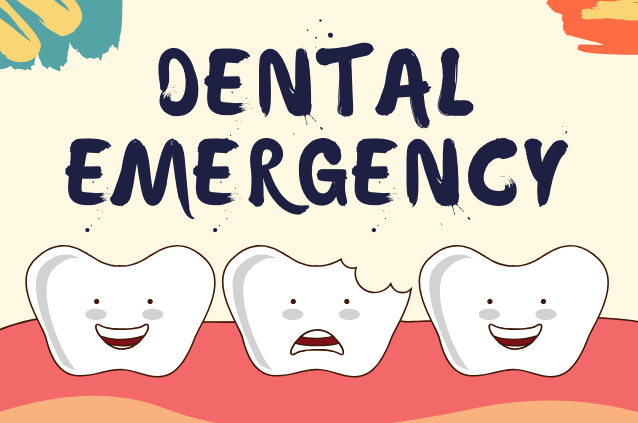
A dental emergency can happen unexpectedly and often when you least expect it. Severe toothache, a broken tooth, facial swelling, a knocked-out tooth or a sudden dental infection can cause significant discomfort and anxiety.
In these situations, receiving prompt dental attention is important. Some dental problems can worsen quickly if left untreated, potentially leading to infection, further tooth damage or complications.
If you are experiencing sudden dental pain or an urgent dental problem, a same-day emergency dental appointment may help identify the cause, relieve discomfort and prevent the condition from becoming more serious.
At Pain Free Dentist Sydney in Dulwich Hill, we understand that dental emergencies can be stressful. Our aim is to provide compassionate dental care, assess urgent problems and discuss appropriate treatment options.
1. What Is Considered a Dental Emergency?
A dental emergency is any dental problem that requires prompt professional assessment because of pain, infection, trauma or the risk of further damage.
Common dental emergencies include:
Severe or persistent toothache.
Broken, cracked or fractured teeth.
Knocked-out permanent teeth.
Loose or displaced teeth following an accident.
Swelling of the gums, jaw or face.
Dental abscesses and suspected infections.
Lost fillings or dental crowns causing pain.
Bleeding following dental trauma or extraction.
Pain around wisdom teeth.
Broken dentures or dental restorations affecting function.
Not every dental problem requires immediate treatment, but persistent pain, swelling and dental trauma should never be ignored.
2. Severe Toothache: Do Not Ignore Persistent Dental Pain
A sudden or severe toothache can be caused by several underlying conditions, including tooth decay, inflammation of the dental pulp, a cracked tooth or infection.
Sometimes the pain may be sharp and triggered by hot or cold foods. In other cases, it may be continuous, throbbing or severe enough to interfere with sleep.
Possible causes include:
Deep dental decay.
Pulpitis (inflammation of the tooth nerve).
Dental abscess.
Cracked or fractured teeth.
Failed or damaged dental restorations.
Infection around the tooth root.
A dental examination may include clinical testing and dental X-rays to identify the underlying cause.
Depending on the diagnosis, treatment may involve a filling, root canal treatment, drainage of an infection or tooth extraction.
3. Broken or Chipped Tooth
A broken tooth can occur when biting on hard food, experiencing an accident or having a weakened tooth.
Even a small fracture can expose sensitive inner tooth structures and cause discomfort.
If you break a tooth:
Avoid chewing on the affected side.
Rinse your mouth gently with warm water.
Keep any recovered tooth fragments.
Avoid very hot or cold foods if the tooth is sensitive.
Arrange a dental assessment promptly.
Treatment depends on the extent of the damage. Options may include composite bonding, a dental crown, root canal treatment or extraction in severe cases.
4. Knocked-Out Tooth: Why Time Matters
A knocked-out permanent tooth is a time-sensitive dental emergency.
If a permanent tooth has been completely displaced following an accident, immediate dental attention is essential. The possibility of successfully repositioning the tooth depends partly on how quickly appropriate treatment is provided.
If possible:
Pick up the tooth by the crown, not the root.
Avoid touching or scrubbing the root surface.
If dirty, gently rinse it with milk or saline without rubbing.
If safe and practical, gently reposition it into its socket.
Otherwise, keep it moist in milk or an appropriate tooth preservation solution.
Seek emergency dental treatment immediately.
Do not attempt to reinsert a baby tooth.
5. Dental Abscess and Facial Swelling
A dental abscess is a collection of pus caused by a bacterial infection.
It may develop around the root of a tooth or within the surrounding gum tissues.
Common symptoms include:
Severe throbbing toothache.
Swelling of the gums or face.
Pain when biting.
Sensitivity to hot and cold.
A bad taste in the mouth.
Fever or feeling generally unwell.
A dental abscess requires urgent professional assessment. Antibiotics alone are not usually sufficient to eliminate the underlying source of infection. Treatment may require drainage, root canal treatment or extraction, depending on the clinical findings.
Important: Facial swelling accompanied by difficulty breathing or swallowing, swelling around the eye, or rapidly spreading infection requires immediate hospital emergency assessment. Call 000 in Australia for life-threatening symptoms.
6. Lost Filling or Dental Crown
A lost filling or crown can expose the underlying tooth structure and cause sensitivity or pain.
Although some cases may not be immediately dangerous, prompt assessment is recommended, particularly if the tooth is painful or structurally weakened.
Avoid chewing hard foods on the affected tooth and keep the area clean until it can be examined.
Your dentist can determine whether the restoration can be replaced or whether additional treatment is necessary.
7. Wisdom Tooth Pain and Infection
Wisdom teeth can sometimes become impacted or partially erupt through the gum.
When this happens, bacteria and food debris may accumulate around the partially erupted tooth, causing inflammation known as pericoronitis.
Symptoms can include:
Pain at the back of the jaw.
Swollen gum tissue.
Difficulty opening the mouth.
Unpleasant taste or bad breath.
Pain when swallowing.
Facial swelling in more severe cases.
An examination and appropriate imaging can help determine whether the wisdom tooth can be managed conservatively or requires removal.
Severe swelling, fever or difficulty swallowing requires urgent assessment.
8. Can You Get a Same-Day Dental Appointment?
Many dental clinics try to accommodate urgent dental problems, depending on the availability of the dentist and the nature of the emergency.
At Pain Free Dentist Sydney, we encourage patients experiencing sudden dental pain or urgent dental concerns to contact our reception team as early as possible.
When you call, please let us know:
Where the pain or discomfort is located.
How long you have been experiencing symptoms.
Whether there is swelling, bleeding or infection.
Whether you have experienced dental trauma.
Whether you are having difficulty eating, sleeping or opening your mouth.
This information helps our team understand the urgency of your situation and determine whether an emergency appointment may be available on the same day.
Same-day appointments are subject to clinical availability, so please call before attending.
9. What Should You Do While Waiting for Your Dental Appointment?
While waiting to see your dentist, there are several steps you can take to minimise discomfort and avoid further damage.
Avoid chewing on the affected side.
Keep the area clean with gentle brushing.
Avoid extremely hot or cold foods if your teeth are sensitive.
Apply a cold compress externally if there is swelling.
Use appropriate over-the-counter pain relief according to the instructions and your medical circumstances.
Avoid placing aspirin directly against the tooth or gums.
Do not attempt to drain an abscess yourself.
If you experience difficulty breathing or swallowing, rapidly increasing swelling or other serious symptoms, seek emergency medical attention rather than waiting for a dental appointment.
healthdirect+2
10. Why Early Dental Treatment Matters
A dental emergency may initially appear to be a minor problem, but delaying treatment can sometimes lead to more complicated dental conditions.
For example, a small cavity may progress towards the dental nerve, a cracked tooth may fracture further, and an untreated dental infection may spread into surrounding tissues.
Early assessment allows your dentist to identify the underlying problem and discuss suitable treatment before further complications develop.
The aim of emergency dentistry is not simply to relieve pain. It is also to preserve natural teeth wherever possible, manage infection and protect your long-term oral health.
Need an Emergency Dentist in Dulwich Hill?
Dental emergencies can be frightening, particularly when pain develops suddenly or interferes with your daily activities.
At Pain Free Dentist Sydney, Dulwich Hill, Dr Lisa Chong and our dental team understand the importance of compassionate, patient-focused care.
Whether you have a severe toothache, broken tooth, dental infection, damaged filling or sudden dental discomfort, we encourage you to contact our clinic to discuss your situation.
We will assess your needs and advise whether a same-day appointment can be arranged.
Don't wait for dental pain to become unbearable. Seek professional advice early.
Pain Free Dentist Sydney – Dr Lisa Chong
Phone: 02 9558 8988
Email: info@painfreedentistsydney.com.au
Website: https://painfreedentistsydney.com.au