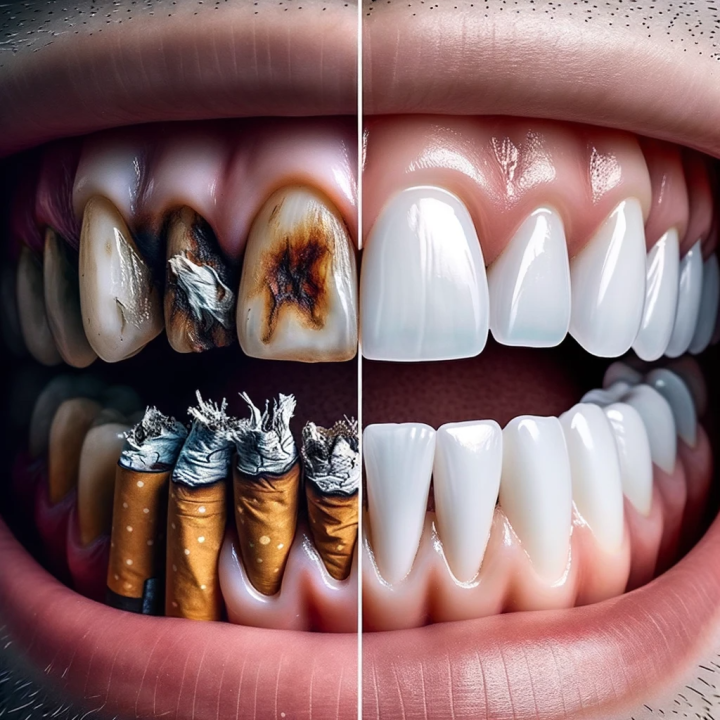
Smoking is widely recognised as a major risk factor for many health conditions, but its impact on oral health is often underestimated. From stained teeth and persistent bad breath to gum disease, delayed healing and an increased risk of oral cancer, smoking can significantly affect the health of your mouth.
Whether you smoke cigarettes, use other tobacco products or have been smoking for many years, understanding the effects on your teeth and gums is an important step towards protecting your oral health.
At Pain Free Dentist Sydney in Dulwich Hill, we believe that educating patients about the connection between lifestyle habits and dental health is essential for maintaining a healthy smile.
1. How Does Smoking Affect Your Teeth?
One of the most noticeable effects of smoking is tooth discolouration.
Tobacco contains nicotine and tar, which can contribute to yellow or brown stains on the tooth surfaces. Over time, these stains may become increasingly difficult to remove with ordinary brushing.
Smoking can also contribute to:
Persistent bad breath.
Increased plaque and calculus accumulation.
Greater risk of tooth decay.
Reduced saliva production in some individuals.
Changes in taste and smell.
Increased risk of dental complications.
Professional dental cleaning can help remove external tobacco stains and accumulated deposits, although it cannot reverse every effect of smoking.
2. Smoking and Gum Disease
One of the most serious effects of smoking is its relationship with periodontal disease, commonly known as gum disease.
Smoking affects the body's immune response and reduces its ability to fight bacterial infections. This makes smokers more vulnerable to developing gum disease and experiencing more severe periodontal damage.
Healthy gums provide essential support for your teeth. When bacterial plaque accumulates around the gumline, inflammation can develop.
In smokers, periodontal disease may progress with less obvious warning signs. Nicotine-related changes in blood circulation can reduce visible gum bleeding, meaning that the absence of bleeding does not necessarily indicate healthy gums.
Advanced gum disease can lead to:
Gum recession.
Deep periodontal pockets.
Loss of supporting bone.
Loose or shifting teeth.
Persistent bad breath.
Increased risk of tooth loss.
Regular periodontal examinations are particularly important for people who smoke because significant gum damage may develop without obvious symptoms.
3. Smoking Can Delay Healing After Dental Treatment
Smoking can interfere with the body's natural healing processes.
Nicotine causes blood vessels to constrict, while carbon monoxide and other tobacco-related toxins can affect oxygen delivery to tissues.
This can compromise the healing environment following dental procedures.
Patients who smoke may have an increased risk of complications after:
Tooth extractions.
Dental implant surgery.
Bone grafting procedures.
Periodontal treatment.
Oral surgery.
Other dental procedures involving soft tissue healing.
Following dental treatment, your dentist may recommend avoiding smoking during the healing period. For procedures such as dental implant placement, smoking cessation is particularly beneficial because successful healing depends on healthy surrounding tissues and adequate bone integration.
4. Smoking and Dental Implants
Dental implants are designed to replace missing teeth by integrating with the surrounding jawbone.
Successful implant treatment depends on several factors, including bone quality, gum health, oral hygiene and the body's ability to heal.
Smoking can negatively affect these processes and is associated with an increased risk of implant complications and implant failure.
Potential concerns include:
Impaired wound healing.
Increased risk of infection.
Greater likelihood of peri-implant inflammation.
Reduced predictability of bone integration.
Increased risk of long-term implant complications.
Peri-implantitis is an inflammatory condition affecting the tissues surrounding a dental implant. If left untreated, it can cause progressive bone loss and potentially compromise the implant.
For patients considering dental implants, discussing smoking habits with their dentist is important when assessing treatment suitability and planning appropriate aftercare.
5. Smoking Increases the Risk of Oral Cancer
One of the most serious consequences of tobacco use is its association with oral cancer.
Smoking exposes the tissues of the mouth to numerous carcinogenic substances. These chemicals can damage cells and increase the risk of developing cancers affecting the lips, tongue, floor of the mouth, cheeks and other areas of the oral cavity.
Warning signs that require professional assessment include:
A mouth ulcer that does not heal.
Persistent red or white patches.
Unexplained lumps or thickened areas.
Persistent soreness or pain.
Difficulty swallowing.
Unexplained changes in tongue movement.
Persistent hoarseness or changes in speech.
Not every mouth ulcer or patch is cancerous. However, persistent or unexplained changes should never be ignored.
Early detection is important because oral cancer treatment outcomes are generally better when the disease is identified at an earlier stage.
A comprehensive dental examination can include an assessment of the soft tissues of the mouth to identify suspicious changes.
6. Does Smoking Cause Bad Breath?
Yes. Smoking is a common contributor to persistent bad breath, also known as halitosis.
Tobacco smoke leaves unpleasant-smelling substances in the mouth and can affect saliva production. Smoking also contributes to plaque accumulation and gum disease, both of which can worsen breath odour.
Simply using mouthwash or chewing gum may temporarily mask the smell without addressing its underlying cause.
If you experience persistent bad breath, a dental examination can help identify whether gum disease, tooth decay, dry mouth or another oral health condition is contributing to the problem.
7. Can Smoking Affect Your Sense of Taste?
Smoking can affect the taste buds and reduce sensitivity to different flavours.
Some smokers notice that food tastes less enjoyable or that they require stronger flavours to experience the same sensation.
Tobacco use can also affect the sense of smell, which plays an important role in how we experience food.
After quitting smoking, many people notice improvements in their sense of taste and smell over time.
8. Is Vaping Safer for Your Oral Health?
Although vaping does not expose users to tobacco smoke in the same way as conventional cigarettes, it should not be considered harmless to oral health.
Research into the long-term oral effects of vaping is still developing. However, potential concerns include:
Dry mouth.
Gum irritation.
Changes in the oral microbiome.
Increased plaque accumulation in some users.
Possible effects on gum inflammation and healing.
Nicotine-containing vaping products can also affect blood vessels and circulation.
It is important to understand that switching from cigarettes to vaping does not eliminate all potential oral health risks.
9. How Can Smokers Protect Their Oral Health?
Quitting smoking is one of the most beneficial steps you can take to improve your general and oral health.
Although stopping smoking can be challenging, even small steps towards reducing tobacco exposure can be worthwhile.
We recommend:
Maintain excellent oral hygiene: Brush twice daily with fluoride toothpaste and clean between your teeth every day.
Attend regular dental examinations: Smokers should not rely solely on symptoms to determine whether their gums are healthy.
Arrange professional dental cleaning: Regular cleaning helps remove plaque, calculus and external tobacco stains.
Monitor changes in your mouth: Report persistent ulcers, red or white patches, lumps or unexplained discomfort.
Consider quitting smoking: Seek support from your healthcare professional or an appropriate smoking cessation service.
Inform your dentist: Always disclose your smoking or vaping habits before dental treatment, particularly when considering dental implants or oral surgery.
10. What Happens to Your Oral Health After Quitting Smoking?
The body begins recovering after smoking cessation, although the extent and speed of improvement vary between individuals.
Over time, quitting smoking can help:
Improve blood circulation.
Support healthier gum tissues.
Reduce the ongoing exposure of oral tissues to harmful chemicals.
Improve taste and smell.
Improve the healing environment following dental procedures.
Reduce the risk of developing tobacco-related oral diseases.
Importantly, quitting smoking does not automatically reverse existing periodontal bone loss or other permanent dental damage. Professional assessment and appropriate treatment may still be necessary.
Protect Your Smile with Regular Dental Care
Smoking can affect almost every aspect of oral health, from the appearance of your teeth to the condition of your gums and the body's ability to heal after dental treatment.
The effects are not always immediately visible, which is why regular dental examinations are particularly important for smokers.
At Pain Free Dentist Sydney, Dulwich Hill, Dr Lisa Chong takes a comprehensive approach to dental care, focusing on prevention, early diagnosis and maintaining long-term oral health.
Whether you are concerned about bleeding gums, persistent bad breath, stained teeth, gum recession or dental implant suitability, a professional dental assessment can help identify potential problems and guide appropriate treatment.
Your oral health is worth protecting. Early attention can make a significant difference to your long-term dental health.
Contact Pain Free Dentist Sydney
Phone: 02 9558 8988
Email: info@painfreedentistsydney.com.au
Website: https://painfreedentistsydney.com.au