Have you noticed that your teeth are becoming shorter, flatter or more sensitive? Do you wake up with jaw pain, headaches or tightness around your face? Perhaps your dentist has mentioned that your teeth show signs of excessive wear.
These symptoms may be associated with bruxism and chronic jaw clenching, conditions that can place excessive mechanical forces on the teeth, jaw muscles and temporomandibular joints (TMJ).
Over time, repeated grinding and clenching may contribute to significant tooth wear, changes in the bite, muscle fatigue and symptoms associated with temporomandibular disorders (TMD).
However, the relationship between tooth wear, bruxism and TMJ dysfunction is complex. Treating the teeth alone may not address all the contributing factors.
At Pain Free Dentist Sydney in Dulwich Hill, Dr Lisa Chong takes a comprehensive approach to assessing tooth wear, jaw clenching, bruxism and associated TMJ symptoms.
1. What Is Bruxism and How Does It Cause Tooth Wear?
Bruxism refers to repetitive jaw muscle activity involving teeth grinding, clenching or jaw bracing.
It can occur during sleep or while a person is awake.
Sleep bruxism occurs during sleep and may involve involuntary grinding movements or forceful clenching.
Awake bruxism commonly involves unconscious jaw clenching, sustained tooth contact or increased jaw muscle tension during daily activities.
When these activities occur repeatedly, the teeth can be exposed to excessive mechanical loading.
Natural tooth enamel is extremely strong, but it is not indestructible. Continuous friction and excessive forces can gradually wear down the biting surfaces.
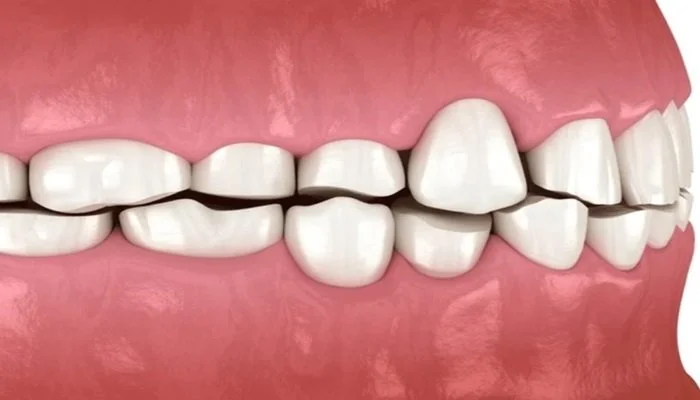
Common signs of bruxism-related tooth wear include:
Flattened biting surfaces.
Shortened front teeth.
Worn canine tips.
Chipped enamel.
Cracked teeth.
Increased tooth sensitivity.
Fractured fillings and crowns.
Changes in the way the upper and lower teeth meet.
In advanced cases, substantial tooth structure may be lost, making restorative treatment more complex.
2. How Does Jaw Clenching Affect the Temporomandibular Joints?
The temporomandibular joints are located on either side of the face, connecting the lower jaw to the skull.
They work together with the surrounding muscles, ligaments and joint discs to allow the jaw to open, close and move during speaking and chewing.
When someone repeatedly clenches their teeth, the jaw muscles may remain contracted for prolonged periods.
This can increase the mechanical load placed on the muscles and temporomandibular joints.
Some patients may develop symptoms associated with temporomandibular disorders, including:
Jaw pain or tenderness.
Clicking or popping sounds.
Difficulty opening the mouth.
Restricted jaw movement.
Pain when chewing.
Facial muscle fatigue.
Headaches around the temples.
Discomfort extending towards the ears or neck.
It is important to understand that bruxism does not automatically cause TMJ dysfunction. However, excessive jaw muscle activity may contribute to symptoms in susceptible individuals.
TMJ disorders are multifactorial and require individual assessment.
3. Can Severe Tooth Wear Change Your Bite?
Yes. Significant tooth wear can alter the way the upper and lower teeth contact during biting and chewing.
When tooth surfaces gradually become shorter, the original dental anatomy may change.
Depending on the extent and pattern of wear, patients may experience:
Reduced tooth height.
Changes in dental contacts.
Uneven distribution of biting forces.
Increased loading on certain teeth.
Changes in chewing efficiency.
Altered appearance of the smile.
In some cases, extensive tooth wear can contribute to a reduction in the posterior tooth structure supporting the bite.
However, tooth wear does not necessarily mean that the jaw joint has moved out of position or that the vertical dimension of the bite has collapsed.
A comprehensive assessment is needed to determine whether the changes are primarily dental, muscular, joint-related or a combination of factors.
4. Why Do Some Patients Experience Headaches, Neck Pain and Facial Tension?
The jaw muscles do not function in isolation.
The muscles responsible for chewing interact with surrounding facial and cervical structures. Excessive jaw muscle activity may contribute to discomfort extending beyond the teeth.
The masseter and temporalis muscles are particularly important in jaw function.
The masseter muscles are located along the sides of the jaw, while the temporalis muscles extend across the temples.
Repeated clenching can contribute to muscle fatigue and tenderness in these areas.
Some patients experience:
Morning headaches.
Temple pain.
Tightness around the cheeks.
Facial muscle soreness.
Neck stiffness.
Jaw fatigue.
Discomfort when chewing.
Cervical muscle tension, posture, sleep disturbances and other musculoskeletal conditions may also contribute.
This is why patients with persistent jaw pain may benefit from a broader assessment rather than focusing exclusively on the teeth.
5. What Causes Chronic Teeth Grinding and Jaw Clenching?
Bruxism is multifactorial. There is no single explanation that applies to every patient.
Potential contributing factors include:
Stress and emotional tension
Stress and anxiety may contribute to increased jaw muscle activity, particularly during waking hours.
Some individuals unconsciously clench their teeth while working, driving or concentrating.
Sleep disturbances
Sleep bruxism is associated with sleep-related arousals and can coexist with sleep disorders, including obstructive sleep apnoea.
Medication-related factors
Certain medications, including some antidepressants, may be associated with increased grinding or clenching in some individuals.
Lifestyle factors
Nicotine, excessive caffeine and alcohol consumption may be associated with increased bruxism activity.
Musculoskeletal factors
Neck discomfort, muscle tension and other musculoskeletal problems may coexist with jaw dysfunction and contribute to the overall symptom picture.
Identifying possible contributing factors is important when developing a long-term management plan.
6. How Is Tooth Wear and TMJ Dysfunction Assessed?
A comprehensive dental examination is important when a patient presents with significant tooth wear, jaw clenching or suspected TMJ dysfunction.
At Pain Free Dentist Sydney, the assessment may include several components.
Examination of the teeth
The dentist assesses enamel wear, fractured teeth, existing restorations, tooth sensitivity and the distribution of wear across the dental arches.
Bite assessment
The relationship between the upper and lower teeth is evaluated, including how the teeth contact during biting and jaw movement.
Jaw muscle assessment
The masseter and temporalis muscles may be examined for tenderness, tightness and signs of excessive activity.
TMJ assessment
The dentist evaluates jaw opening, movement, joint sounds and any discomfort associated with function.
Imaging when indicated
Depending on the clinical findings, dental X-rays, panoramic imaging or CBCT may be recommended to investigate specific dental and bony structures.
MRI may be useful when more detailed assessment of the TMJ disc and other soft tissue structures is clinically necessary.
The objective is to understand the patient's individual condition rather than assume that every case of tooth wear is caused by the same problem.
7. Can an Occlusal Splint Help Protect Worn Teeth?
An occlusal splint is a custom-made dental appliance designed to fit over the teeth.
It is commonly used in the management of bruxism and certain temporomandibular disorders.
Depending on its design and clinical purpose, a splint may:
Protect natural teeth from direct grinding contact.
Reduce further mechanical damage to dental surfaces.
Distribute contact forces across the dental arch.
Provide a stable occlusal surface.
Help manage certain muscle-related symptoms.
A splint does not necessarily stop the underlying neurological activity responsible for sleep bruxism.
It is also not a permanent solution to every form of TMJ dysfunction.
Regular monitoring and adjustments may be necessary because changes in muscle activity, tooth contacts and jaw function can influence how the appliance fits.
8. Can Worn Teeth Be Rebuilt?
Yes. In selected cases, worn teeth can be restored to improve their shape, function and appearance.
However, restoring severely worn teeth requires careful planning.
Depending on the remaining tooth structure and the overall bite relationship, treatment may involve:
Composite restorations
Composite resin can be used to rebuild worn tooth surfaces and restore lost anatomy in suitable cases.
Dental crowns
Crowns may be considered when teeth have extensive structural damage and require additional protection.
Onlays and other indirect restorations
These may be appropriate for certain teeth where more extensive restoration is required.
Full-mouth rehabilitation
Patients with severe generalised tooth wear may require a more comprehensive treatment approach involving multiple teeth and careful assessment of the bite.
Importantly, simply making the teeth longer does not automatically resolve TMJ dysfunction.
The dentist must consider the existing bite, available tooth structure, jaw function and the forces acting on the restored teeth.
Any significant changes to the bite should be carefully planned and monitored.
9. Why Is It Important to Address the Jaw Muscles and Body, Not Just the Teeth?
One of the most important considerations in managing complex bruxism and TMJ cases is understanding that the jaw is part of a larger musculoskeletal system.
Some patients have significant muscle tension involving the face, neck and surrounding structures.
In selected cases, physiotherapy or myofascial therapy may be considered alongside dental management.
Myofascial therapy
Myofascial treatment may help address muscle tightness and discomfort involving the jaw, face and surrounding areas.
Physiotherapy
A physiotherapist may assess cervical movement, muscle function, posture and other musculoskeletal factors contributing to the patient's symptoms.
Dental splint management
Where clinically appropriate, splint therapy can help protect the teeth while the patient's symptoms and jaw function are monitored.
When muscle tension changes, the patient's comfort and jaw movement may also change. This can influence how the teeth contact and how an existing splint feels.
For this reason, coordination between dental and allied health professionals may be beneficial for selected patients.
10. Is Botox an Option for Bruxism and Jaw Muscle Pain?
Botulinum toxin injections may be considered in selected patients with significant jaw muscle overactivity.
When injected into targeted muscles, such as the masseter or temporalis, botulinum toxin temporarily reduces muscle contraction strength.
Potential benefits include reduced clenching intensity and improvement in some cases of muscle-related jaw discomfort.
However, Botox does not rebuild worn teeth, restore lost enamel or necessarily eliminate sleep bruxism.
It also has potential side effects, including chewing weakness and changes in muscle function.
It should be considered as part of an individualised management approach rather than a replacement for a comprehensive assessment.
11. What Happens If Severe Tooth Wear Is Left Untreated?
Progressive tooth wear may eventually lead to more extensive dental problems.
Potential complications include:
Increased tooth sensitivity.
Exposure of the underlying dentine.
Cracked or fractured teeth.
Damage to existing fillings and crowns.
Difficulty chewing comfortably.
Significant loss of natural tooth structure.
More complicated restorative treatment requirements.
Once enamel has been permanently lost, it does not naturally grow back.
Early diagnosis and protective management can help preserve the remaining natural tooth structure.
12. Can Bruxism and TMJ Dysfunction Be Managed Long-Term?
Yes. Although there is no universal cure for bruxism, many patients can achieve improved comfort and protect their teeth through an appropriate long-term management strategy.
Treatment may involve a combination of:
Custom occlusal splint therapy.
Behavioural awareness and jaw relaxation.
Stress management.
Sleep assessment where indicated.
Physiotherapy or myofascial treatment.
Management of associated medical conditions.
Restorative dental treatment when necessary.
Regular monitoring of tooth wear and jaw function.
The most important factor is understanding the individual patient's contributing factors rather than treating only the visible symptoms.
Protect Your Teeth and Jaw Before Further Damage Occurs
Teeth grinding and chronic jaw clenching can have significant consequences for dental health, particularly when excessive forces continue over many years.
Flattened teeth, reduced tooth structure, jaw muscle tenderness and headaches may all be warning signs that further assessment is needed.
At Pain Free Dentist Sydney, Dulwich Hill, Dr Lisa Chong takes a comprehensive approach to evaluating bruxism, excessive tooth wear and associated TMJ dysfunction.
Our approach considers the relationship between the teeth, bite, jaw muscles and temporomandibular joints, together with other possible contributing factors.
We understand that every patient presents with different symptoms and clinical needs. Treatment recommendations are therefore individualised following an appropriate assessment.
If you are experiencing worn teeth, persistent jaw clenching, morning headaches or TMJ discomfort, early assessment may help protect your natural teeth and guide appropriate management.
Your teeth are designed to last a lifetime. Protecting them begins with understanding the forces acting on them.
Book a TMJ and Bruxism Assessment
Pain Free Dentist Sydney – Dr Lisa Chong
Phone: 02 9558 8988
Email: info@painfreedentistsydney.com.au
Website: https://painfreedentistsydney.com.au