At Pain Free Dentist Sydney in Dulwich Hill, we understand that persistent toothache can affect your ability to eat, sleep and enjoy everyday activities. Sometimes, what appears to be an ordinary toothache may be a sign of infection deep inside the tooth.
Root canal treatment, also known as endodontic treatment, is designed to remove infected or inflamed tissue from inside a tooth, eliminate bacteria and preserve your natural tooth whenever possible.
With modern dental techniques and appropriate pain management, root canal treatment can be a comfortable and effective way to restore your dental health.
What Is Root Canal Treatment?
Inside every natural tooth is a soft tissue called the dental pulp. It contains nerves, blood vessels and connective tissue that support the development of the tooth.
When bacteria enter the pulp through deep decay, cracks, fractures or dental trauma, the tissue can become inflamed or infected.
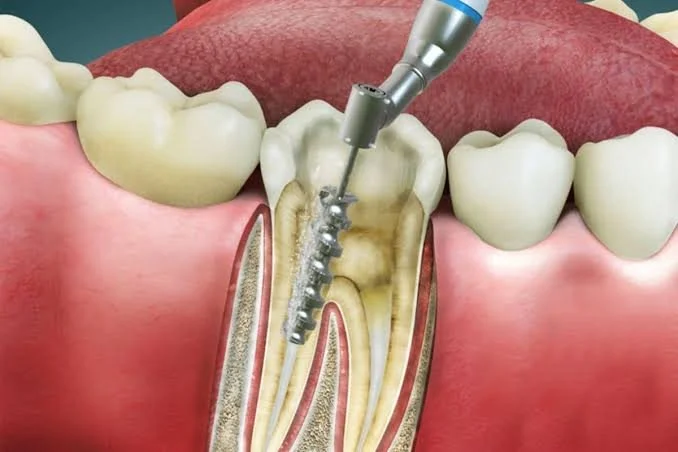
Root canal treatment involves carefully removing the damaged pulp, cleaning and disinfecting the internal root canal system, and sealing it to prevent further bacterial contamination.
The objective is to eliminate infection while retaining the natural tooth and its function.
What Are the Signs You May Need Root Canal Treatment?
Dental pulp infection does not always cause obvious symptoms. However, some common warning signs include:
Persistent or throbbing toothache.
Sharp pain when biting or chewing.
Prolonged sensitivity to hot and cold drinks.
Tooth pain that becomes worse at night.
Swelling or tenderness around the affected tooth.
Discolouration or darkening of a tooth.
A recurring gum boil or pimple near the affected tooth.
Pain that comes and goes without an obvious reason.
Some infected teeth may become painless when the nerve tissue dies. Therefore, the absence of pain does not necessarily mean the infection has resolved.
A dental examination and appropriate radiographs are important to establish the diagnosis.
What Causes a Tooth to Need Root Canal Treatment?
There are several reasons why the dental pulp may become infected or irreversibly inflamed.
1. Deep tooth decay
Untreated dental cavities can gradually extend through the enamel and dentine until bacteria reach the pulp.
2. Cracked or fractured teeth
Cracks may allow bacteria to enter the internal structures of the tooth, resulting in inflammation and infection.
3. Dental trauma
An accident, sporting injury or direct impact can damage the blood supply and nerves inside a tooth. Sometimes, symptoms develop months after the initial injury.
4. Repeated dental procedures
Teeth that have undergone multiple restorations or extensive dental treatment may develop pulp complications over time.
5. Severe tooth wear
Long-term grinding and clenching can cause significant tooth structure loss. In advanced cases, excessive wear may compromise the protective layers of the tooth and affect the pulp.
How Is Root Canal Treatment Performed?
Root canal treatment involves several important stages to ensure that the infected tissue is removed and the internal canal system is properly sealed.
Step 1: Dental examination
Your dentist assesses the affected tooth, reviews your symptoms and takes appropriate X-rays to evaluate the roots and surrounding bone.
Step 2: Local anaesthesia
Local anaesthesia is administered to numb the affected area and improve comfort during treatment.
Step 3: Removal of infected pulp
A small opening is made in the tooth to access the pulp chamber. The damaged or infected tissue is carefully removed.
Step 4: Cleaning and disinfection
Specialised instruments are used to clean and shape the root canals. The canals are then disinfected to reduce bacterial contamination.
Step 5: Sealing the root canals
Once the canals have been adequately cleaned and prepared, they are filled with a suitable root canal filling material to help prevent reinfection.
Step 6: Final tooth restoration
The tooth is restored with an appropriate filling or dental crown, depending on the remaining tooth structure and its functional requirements.
Is Root Canal Treatment Painful?
Many patients feel anxious when they hear the words root canal treatment because of outdated perceptions about the procedure.
However, modern dentistry has significantly improved the experience.
With appropriate local anaesthesia, most patients tolerate the procedure well. In fact, root canal treatment is intended to relieve the pain associated with inflamed or infected dental pulp.
Some tenderness or discomfort may occur after treatment, particularly when the surrounding tissues were already inflamed. This generally improves as healing progresses.
For patients who experience dental anxiety, discussing appropriate comfort and sedation options with the dentist beforehand can help make treatment more manageable.
Why Might You Need a Dental Crown After Root Canal Treatment?
A tooth requiring root canal treatment may already have substantial structural damage due to extensive decay, large existing fillings or fractures.
Although root canal treatment removes the infected pulp, it does not automatically restore the strength of the remaining tooth.
A dental crown may therefore be recommended to protect the tooth and restore its chewing function.
This is particularly important for molars and premolars, which experience considerable biting forces.
Your dentist will assess the remaining tooth structure and recommend an appropriate restoration to help reduce the risk of fracture.
Can a Root Canal-Treated Tooth Become Infected Again?
Yes. Although root canal treatment has a high success rate, reinfection can occasionally occur.
Possible reasons include:
Persistent bacteria within complex root canal anatomy.
Incomplete sealing of the root canals.
Leakage around an existing restoration.
New dental decay.
Cracks or fractures in the treated tooth.
If symptoms return, further assessment is necessary. Depending on the circumstances, additional treatment or referral to an endodontist may be recommended.
Root Canal Treatment Versus Tooth Extraction
When a tooth becomes severely infected, patients sometimes assume extraction is the only solution.
However, saving the natural tooth should generally be considered whenever it is clinically predictable.
Root canal treatment allows the natural tooth to remain in place, helping maintain chewing function, tooth alignment and the existing bite.
Tooth extraction may be necessary when the tooth is severely fractured, has insufficient remaining structure or has a poor long-term prognosis.
Your dentist can explain the advantages and limitations of each option so that you can make an informed decision.
Why Early Dental Treatment Is Important
Ignoring persistent tooth pain can allow an infection to progress and potentially develop into a dental abscess.
An untreated infection may cause swelling, increasing pain and damage to the surrounding bone and tissues.
Early diagnosis allows your dentist to identify the source of the problem and determine the most appropriate treatment.
If you experience facial swelling, fever or spreading infection, seek urgent dental or medical assessment. Difficulty breathing or swallowing requires emergency medical attention.
Comfortable Root Canal Treatment at Pain Free Dentist Sydney
At Pain Free Dentist Sydney, Dulwich Hill, we understand that every patient has different dental needs and concerns.
Dr Lisa Chong takes a patient-centred approach to dental care, with an emphasis on careful assessment, clear communication and patient comfort.
Whether you are experiencing persistent toothache, dental sensitivity or a suspected tooth infection, an appropriate examination can help determine whether root canal treatment is suitable.
Our aim is to help patients maintain their natural teeth wherever possible while supporting their long-term oral health.
Do not let tooth pain affect your quality of life. Early assessment may help save your natural tooth.
Book a Dental Consultation
If you are experiencing toothache or suspect that you may need root canal treatment, contact Pain Free Dentist Sydney in Dulwich Hill.
Pain Free Dentist Sydney – Dr Lisa Chong
Phone: 02 9558 8988
Email: info@painfreedentistsydney.com.au
Website: painfreedentistsydney.com.au
Contact our friendly team to arrange your dental consultation