Do you wake up with a sore jaw, morning headaches, facial muscle tension or persistent tiredness despite getting what seems like a full night's sleep?
These symptoms may sometimes be associated with two conditions that can overlap: obstructive sleep apnoea (OSA) and temporomandibular disorder (TMD).
Sleep apnoea is a sleep-related breathing disorder that causes repeated interruptions to normal breathing during sleep. TMJ disorder affects the jaw joints, chewing muscles and surrounding structures, potentially causing jaw pain, headaches and restricted movement.
Although sleep apnoea and TMJ disorder are different conditions, they may occur together in some patients. Sleep disturbances, sleep-related bruxism, jaw muscle activity and other contributing factors may influence both conditions.
At Pain Free Dentist Sydney in Dulwich Hill, we recognise the importance of looking beyond individual symptoms when assessing patients with jaw discomfort, teeth grinding and sleep-related concerns.
What Is Obstructive Sleep Apnoea?
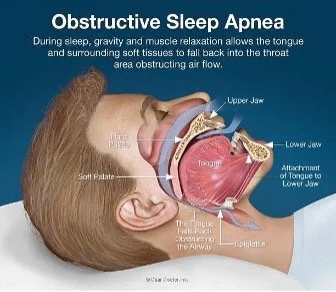
Obstructive sleep apnoea occurs when the muscles and soft tissues surrounding the upper airway relax during sleep, causing partial or complete obstruction of airflow.
When breathing becomes restricted, oxygen levels may decrease and the brain may briefly interrupt sleep to restore normal breathing.
These interruptions can occur repeatedly throughout the night, often without the person being aware of them.
Common symptoms include:
Loud and persistent snoring.
Pauses in breathing during sleep.
Gasping or choking sensations at night.
Waking up with a dry mouth.
Morning headaches.
Excessive daytime sleepiness.
Difficulty concentrating.
Unrefreshing sleep.
Irritability and fatigue.
Untreated obstructive sleep apnoea can affect cardiovascular health, metabolic health, concentration and overall quality of life.
If you experience these symptoms, a medical assessment and appropriate sleep testing are important.
What Is TMJ Disorder?
The temporomandibular joints connect your lower jaw to your skull and allow you to open and close your mouth, chew and speak.
Temporomandibular disorders (TMD) involve problems affecting the jaw joints, chewing muscles or surrounding structures.
Common symptoms include:
Jaw pain or tenderness.
Clicking or popping sounds when opening the mouth.
Difficulty opening the mouth fully.
Jaw stiffness, especially in the morning.
Pain when chewing.
Frequent headaches around the temples.
Facial muscle tension.
Neck and shoulder discomfort.
Jaw locking or restricted movement.
Some patients experience symptoms mainly in the muscles, while others have joint-related problems. A combination of both is also possible.
Is There a Connection Between Sleep Apnoea and TMJ Disorder?
The relationship between sleep apnoea and TMJ disorders is complex.
They are not the same condition, and one does not necessarily cause the other. However, several overlapping factors may contribute to symptoms in patients experiencing both conditions.
1. Sleep-Related Teeth Grinding and Clenching
Sleep-related bruxism involves repetitive jaw muscle activity during sleep, including grinding or clenching.
Some patients with obstructive sleep apnoea also experience sleep-related jaw muscle activity.
Breathing disturbances and brief sleep arousals may be associated with changes in jaw muscle activity in some individuals.
Repeated muscle activity can contribute to:
Morning jaw soreness.
Chewing muscle fatigue.
Tooth wear.
Facial discomfort.
Headaches.
Increased sensitivity in the jaw muscles.
However, sleep-related bruxism is not a reliable diagnostic sign of sleep apnoea. Not everyone who grinds their teeth has an underlying breathing disorder.
2. Morning Headaches and Facial Pain
Morning headaches can occur in patients with obstructive sleep apnoea, potentially due to disrupted sleep and changes in oxygen and carbon dioxide levels.
Patients with TMD may also experience headaches associated with overactive or tender chewing muscles.
When both conditions are present, it may be difficult to determine whether morning discomfort is primarily related to sleep-disordered breathing, jaw muscle activity or another headache condition.
A proper assessment is important to identify the likely contributing factors.
3. Poor Sleep Quality and Increased Pain Sensitivity
Repeated sleep interruptions can affect the body's ability to recover and regulate pain.
Patients with poor-quality sleep may experience increased sensitivity to pain, fatigue and reduced tolerance to physical discomfort.
For someone already experiencing TMJ-related muscle pain, disrupted sleep may make symptoms more difficult to manage.
This is one reason why assessing sleep quality is important when managing patients with persistent jaw discomfort.
4. Jaw Muscle Tension
The muscles responsible for chewing work throughout the day and are influenced by various neurological and behavioural factors.
Patients with bruxism may experience excessive or repetitive muscle activity, contributing to jaw fatigue and discomfort.
When sleep is disrupted, the relationship between sleep, muscle activity and pain may become more complicated.
Treatment should therefore consider the patient's overall clinical presentation rather than focusing only on the teeth or jaw joints.
Can Sleep Apnoea Cause Teeth Grinding?
There is an association between sleep-disordered breathing and sleep-related bruxism in some patients, but the exact relationship is not fully understood.
Some research suggests that jaw muscle activity may occur around episodes of respiratory arousal.
However, this does not mean that grinding is necessarily the body's way of reopening an obstructed airway.
Teeth grinding can have multiple contributing factors, including sleep disturbances, neurological mechanisms, medications and individual susceptibility.
If you experience persistent grinding together with loud snoring, witnessed breathing pauses or daytime sleepiness, further sleep assessment may be appropriate.
Can TMJ Disorder Affect Sleep?
Yes. Persistent jaw pain can interfere with sleep quality.
Patients with TMD may find it uncomfortable to sleep in certain positions or experience pain when moving their jaw during the night.
Discomfort may also cause repeated waking and difficulty returning to sleep.
Poor sleep can then contribute to increased pain sensitivity, potentially creating a cycle in which discomfort and disrupted sleep influence each other.
Addressing both sleep quality and jaw symptoms may be beneficial.
How Are Sleep Apnoea and TMJ Disorder Diagnosed?
Because the two conditions involve different structures and clinical mechanisms, they require separate but potentially coordinated assessments.
Assessment for Sleep Apnoea
A medical practitioner or sleep physician may assess:
Snoring history.
Witnessed pauses in breathing.
Daytime fatigue and sleepiness.
Medical history and relevant risk factors.
Airway characteristics.
A sleep study may be recommended to determine whether obstructive sleep apnoea is present and assess its severity.
Depending on the circumstances, this may involve a home sleep apnoea test or an overnight laboratory polysomnography.
Assessment for TMJ Disorder
A dental assessment may include:
Jaw movement and range of opening.
Joint clicking and locking.
Chewing muscle tenderness.
Evidence of tooth grinding and wear.
Bite relationship and dental condition.
Previous jaw or neck injuries.
Headache and facial pain history.
Imaging may be considered when clinically indicated.
CBCT can help assess the bony structures of the jaw joints, while MRI can provide information about the articular disc and other soft tissues.
Treatment Options for Sleep Apnoea and TMJ Disorder
Treatment depends on the underlying diagnosis. Managing one condition does not automatically resolve the other.
A coordinated approach may be necessary for patients experiencing both sleep-disordered breathing and jaw dysfunction.
1. CPAP Therapy for Obstructive Sleep Apnoea
Continuous positive airway pressure (CPAP) is a commonly used treatment for obstructive sleep apnoea.
It delivers a controlled flow of air through a mask to help keep the upper airway open during sleep.
CPAP can improve breathing interruptions and sleep quality when used appropriately.
Patients who experience jaw discomfort or difficulty tolerating their CPAP mask should discuss these issues with their treating sleep professional.
2. Mandibular Advancement Splints
A mandibular advancement device is a custom-made oral appliance designed to position the lower jaw slightly forward during sleep.
This helps increase upper airway space and reduce airway obstruction in selected patients with obstructive sleep apnoea.
Oral appliance therapy may be appropriate for some patients, particularly those with mild to moderate OSA or those who cannot tolerate CPAP.
However, mandibular advancement devices can sometimes cause dental discomfort, bite changes or aggravation of existing jaw symptoms.
Patients with TMJ disorders require careful assessment before treatment, with ongoing monitoring by appropriately trained dental and sleep professionals.
It is important to distinguish these devices from conventional occlusal splints used for teeth grinding, as they have different purposes and designs.
3. Occlusal Splint Therapy for Bruxism
A custom-made occlusal splint may be recommended for selected patients experiencing tooth wear or symptoms associated with bruxism.
Depending on the design, it can help protect the teeth and restorations from direct contact during grinding.
However, an ordinary night guard does not treat obstructive sleep apnoea and should not be considered a substitute for appropriate airway treatment.
4. TMJ Physiotherapy
Physiotherapy may help patients with restricted jaw movement, muscle tension and associated neck discomfort.
Treatment may include:
Jaw mobility exercises.
Cervical movement exercises.
Postural education.
Manual therapy where appropriate.
Muscle relaxation techniques.
Education about reducing excessive daytime clenching.
A physiotherapist experienced in TMD may help address contributing musculoskeletal factors.
5. Myofascial Therapy
Myofascial therapy focuses on the muscles and soft tissues that may contribute to jaw, facial and neck discomfort.
For patients experiencing muscle tenderness and tension, appropriate soft tissue treatment may help improve comfort and movement.
When muscle tension changes, jaw movement and the way the teeth meet may also feel different. Any necessary splint adjustments should be based on reassessment.
6. Lifestyle and Sleep Habits
Healthy sleep habits can support overall sleep quality and complement the management of sleep-related conditions.
Patients may benefit from:
Maintaining regular sleeping and waking times.
Avoiding excessive alcohol consumption, particularly before bedtime.
Avoiding smoking.
Discussing weight management where appropriate.
Avoiding excessive caffeine late in the day.
Following prescribed sleep apnoea treatment.
Seeking help for persistent sleep disturbances.
These measures do not replace medical treatment for obstructive sleep apnoea when treatment is indicated.
Why a Multidisciplinary Approach Is Important
Sleep apnoea and TMJ disorders can involve several overlapping factors, including sleep quality, muscle activity, pain sensitivity and musculoskeletal function.
Treating only the jaw may overlook an underlying sleep-related breathing disorder.
Similarly, treating sleep apnoea alone may not resolve persistent jaw muscle pain or joint dysfunction.
Depending on the patient's clinical findings, coordinated care may involve:
A dentist experienced in TMJ assessment.
A sleep physician.
A respiratory specialist.
A physiotherapist.
An appropriately trained dental sleep medicine practitioner.
Other healthcare professionals where indicated.
The aim is to identify the different contributing factors and develop a management plan that addresses the patient's overall needs.
Could Your Jaw Pain Be Related to Your Sleep?
If you experience morning headaches, teeth grinding, jaw stiffness, snoring or persistent daytime tiredness, it may be worth investigating whether sleep disturbances and jaw dysfunction are occurring together.
Not every patient with TMJ pain has sleep apnoea, and not every patient with sleep apnoea develops jaw problems.
However, recognising the possible relationship can help guide more appropriate assessment and management.
TMJ Assessment at Pain Free Dentist Sydney
At Pain Free Dentist Sydney in Dulwich Hill, Dr Lisa Chong takes a comprehensive approach to patients experiencing jaw pain, teeth grinding, headaches and temporomandibular dysfunction.
We recognise that jaw discomfort can be multifactorial and that sleep-related concerns may be an important part of a patient's history.
Our approach focuses on assessing the jaw joints, chewing muscles, bite relationship and relevant dental factors.
Where appropriate, we can discuss splint therapy and collaborative care with other healthcare professionals, including physiotherapists and sleep practitioners.
For patients with suspected obstructive sleep apnoea, appropriate medical and sleep assessment is essential.
Understanding the relationship between your sleep and jaw health may be an important step towards improving your comfort and quality of life.
Book Your TMJ Consultation
If you experience jaw pain, morning headaches, teeth grinding or symptoms that may be associated with sleep-related problems, contact Pain Free Dentist Sydney to arrange an assessment.
Pain Free Dentist Sydney – Dr Lisa Chong
Phone: 02 9558 8988
Email: info@painfreedentistsydney.com.au
Website: painfreedentistsydney.com.au
Compassionate dental care in Dulwich Hill, Sydney.