Missing teeth can affect more than just your appearance. They can make chewing difficult, affect your speech, change your bite and cause neighbouring teeth to shift into the empty spaces.
Fortunately, modern dentistry offers several ways to replace missing teeth and restore your smile. One popular option is an implant-supported dental bridge, which uses dental implants to support replacement teeth without relying on natural teeth for support.
At Pain Free Dentist Sydney in Dulwich Hill, we understand the importance of restoring both dental function and aesthetics. Dental implant bridges can provide a stable and natural-looking solution for patients who have lost multiple adjacent teeth.
What Is a Dental Implant Bridge?
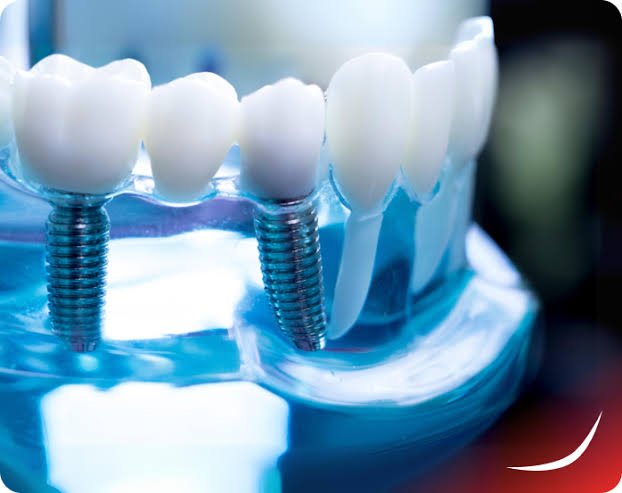
A dental implant bridge is a fixed dental restoration designed to replace multiple missing teeth using dental implants as artificial tooth roots.
Unlike a conventional dental bridge, which relies on neighbouring natural teeth for support, an implant-supported bridge is anchored to dental implants placed within the jawbone.
The replacement teeth are connected as one restoration, allowing several missing teeth to be replaced without necessarily placing an individual implant for every missing tooth.
This approach can help restore chewing function, improve smile aesthetics and provide a stable alternative to removable dentures.
How Does an Implant-Supported Bridge Work?
Dental implants are small biocompatible fixtures that are surgically placed into the jawbone.
Following placement, the surrounding bone gradually integrates with the implant surface through a biological process called osseointegration.
Once sufficient healing has occurred, the implants can support a custom-designed dental bridge.
The bridge consists of replacement teeth that are connected together and secured to the implants using appropriate restorative components.
The number and positioning of implants depend on several factors, including:
The number of missing teeth.
The location of the missing teeth.
Available jawbone volume and quality.
Bite forces and chewing patterns.
The length and design of the bridge.
The patient's overall dental health.
Careful planning is essential to ensure that the implants provide appropriate support and that chewing forces are distributed effectively.
What Are the Benefits of Dental Implant Bridges?
1. Replace multiple missing teeth
An implant-supported bridge can replace several adjacent missing teeth without requiring an individual implant for every tooth.
2. Preserve neighbouring natural teeth
Unlike conventional tooth-supported bridges, implant bridges generally do not require the neighbouring natural teeth to be prepared or reduced for support.
3. Improved chewing function
A properly planned implant bridge provides a stable replacement for missing teeth, helping restore chewing ability and comfort.
4. Natural-looking appearance
The bridge is customised to complement the surrounding teeth, gum contours, facial appearance and smile.
5. Help maintain jawbone structure
Dental implants stimulate the surrounding bone through functional loading. This can help reduce the local bone changes associated with tooth loss, although it does not prevent all bone resorption.
6. Fixed tooth replacement
Unlike removable dentures, implant bridges are secured to dental implants and are not removed by the patient during everyday activities.
Who Is Suitable for an Implant-Supported Dental Bridge?
Dental implant bridges may be suitable for patients who have lost several adjacent teeth but still have sufficient jawbone to support dental implants.
They may also be considered for patients who:
Have difficulty wearing removable dentures.
Want a fixed alternative to conventional bridges.
Have multiple missing teeth in one area.
Have healthy or appropriately managed gums.
Want to restore chewing function and smile appearance.
However, suitability depends on individual clinical circumstances.
Patients with significant bone loss, uncontrolled periodontal disease, certain medical conditions or heavy smoking habits may require additional assessment before proceeding.
A comprehensive dental examination and CBCT scan can help determine whether implant placement is appropriate.
Dental Implant Bridge Versus Conventional Dental Bridge
Both treatment options are designed to replace missing teeth, but they differ in how they are supported.
A conventional dental bridge relies on neighbouring natural teeth. These supporting teeth usually need to be reshaped to accommodate crowns that hold the replacement tooth or teeth in place.
An implant-supported bridge uses dental implants placed within the jawbone for support.
The main advantage of an implant bridge is that it generally avoids preparing otherwise healthy neighbouring teeth.
However, implant treatment involves surgery, healing and careful long-term maintenance.
The most appropriate option depends on the condition of your remaining teeth, bone availability, oral health and treatment preferences.
What Is the Difference Between an Implant Bridge and Individual Dental Implants?
An individual dental implant replaces one missing tooth with a single implant and an individual crown.
An implant-supported bridge replaces multiple missing teeth using implants to support several connected replacement teeth.
For example, when three adjacent teeth are missing, it may be possible to use two strategically positioned implants to support a three-unit bridge rather than placing three separate implants.
The decision depends on the available bone, implant positions, bite forces and the design of the final restoration.
The objective is to achieve appropriate support and distribute functional forces without placing excessive stress on individual implants.
What Happens During Dental Implant Bridge Treatment?
Implant bridge treatment involves several stages to ensure that the implants and final restoration are appropriately planned.
1. Initial Consultation and Assessment
Your dentist will examine your teeth, gums, bite and overall oral health.
Your treatment goals and expectations will also be discussed.
2. CBCT Scan and Implant Planning
A CBCT scan provides three-dimensional information about the jawbone, including its height, width and relationship to important anatomical structures.
This information helps determine the ideal implant positions and angulations.
The final bridge design should be considered before surgery to ensure that the implants are positioned appropriately for the intended restoration.
3. Dental Implant Placement
The implants are surgically placed into the jawbone according to the treatment plan.
Depending on the clinical situation, temporary teeth may be provided during the healing period.
4. Healing and Osseointegration
Following implant placement, the bone gradually integrates with the implant surface.
This healing process provides the foundation for long-term implant stability.
The time required varies between patients and depends on bone quality, implant stability and individual healing conditions.
5. Final Implant Bridge Placement
Once the implants are sufficiently integrated, the final bridge is fabricated and secured.
Your dentist will carefully assess the appearance, bite, chewing function and fit of the restoration.
How Long Do Dental Implant Bridges Last?
Dental implant bridges can provide long-term tooth replacement when properly planned and maintained.
However, the longevity of the restoration depends on several factors, including:
Implant positioning and stability.
Bone and gum health.
Bite forces and grinding habits.
Oral hygiene.
The quality and condition of the bridge.
Regular professional maintenance.
The implant itself and the prosthetic bridge are different components. Although the implant may remain stable for many years, the bridge or its components may require maintenance or replacement over time.
Regular dental reviews are important for monitoring the health of the surrounding tissues and the condition of the restoration.
How Do You Clean an Implant-Supported Bridge?
Good oral hygiene is essential for protecting dental implants.
Although implant-supported replacement teeth cannot develop tooth decay, bacteria can accumulate around the implants and cause inflammation of the surrounding tissues.
Patients should maintain a consistent cleaning routine that includes:
Brushing twice daily.
Using interdental brushes suitable for the bridge design.
Cleaning underneath the bridge.
Using specialised floss or cleaning aids where appropriate.
Attending regular professional implant maintenance appointments.
Your dentist can demonstrate the correct cleaning techniques based on the design of your implant bridge.
Can an Implant Bridge Replace All Missing Teeth?
Yes. Implant-supported bridges can also be used for full-arch tooth replacement.
For patients who have lost all or most of their teeth, treatment options may include All-on-4 or All-on-6 dental implant rehabilitation.
These approaches use strategically positioned implants to support a complete fixed bridge.
The appropriate number of implants depends on the patient's jawbone anatomy, prosthetic requirements, bite forces and overall treatment plan.
A detailed assessment is necessary to determine the most suitable full-arch solution.
Restore Your Smile with Dental Implant Bridges at Pain Free Dentist Sydney
Missing teeth should not prevent you from enjoying your favourite foods or feeling confident about your smile.
Dental implant bridges offer a modern solution for replacing multiple missing teeth while providing fixed support and restoring important dental functions.
At Pain Free Dentist Sydney in Dulwich Hill, Dr Lisa Chong takes a comprehensive approach to implant treatment planning, considering implant positioning, bone support, bite relationships and the design of the final restoration.
Whether you are missing one tooth, several adjacent teeth or require full-mouth rehabilitation, an individual assessment can help identify the most appropriate treatment options.
Take the first step towards a healthier, more confident smile.
Contact Pain Free Dentist Sydney to arrange an implant consultation.
Pain Free Dentist Sydney – Dr Lisa Chong
Phone: 02 9558 8988
Email: info@painfreedentistsydney.com.au
Website: painfreedentistsydney.com.au