A healthy smile begins with good oral hygiene. Looking after your teeth and gums is not just about having a beautiful smile; it is also essential for maintaining good oral health, preventing dental disease and supporting your overall wellbeing.
Many dental problems, including tooth decay, gum disease, bad breath and tooth loss, can develop gradually without obvious symptoms in the early stages.
At Pain Free Dentist Sydney in Dulwich Hill, we believe prevention is an important part of maintaining healthy teeth and gums. Establishing good daily oral hygiene habits and attending regular dental check-ups can help prevent many common dental problems.
Why Is Good Oral Hygiene Important?
Your mouth naturally contains millions of bacteria. Some bacteria are harmless, while others contribute to the development of dental plaque.
Plaque is a sticky bacterial film that continuously forms on the surfaces of your teeth. When it is not removed effectively, it can contribute to tooth decay and gum inflammation.
Maintaining good oral hygiene helps to:
Prevent tooth decay and cavities.
Reduce the risk of gum disease.
Maintain healthy gums and supporting bone.
Prevent persistent bad breath.
Reduce plaque and tartar accumulation.
Protect existing dental restorations.
Maintain natural teeth for longer.
Support long-term oral health.
Good oral hygiene is particularly important for patients with dental implants, crowns, bridges, dentures and orthodontic appliances.
1. Brush Your Teeth Twice a Day
Brushing your teeth twice daily is one of the most important habits for maintaining oral health.
Ideally, brush in the morning and before going to bed using a soft-bristled toothbrush and fluoride toothpaste.
Fluoride helps strengthen tooth enamel and makes teeth more resistant to acid attacks caused by bacteria.
When brushing:
Brush for approximately two minutes.
Clean all tooth surfaces, including the front, back and chewing surfaces.
Use gentle circular movements along the gumline.
Avoid brushing too aggressively.
Pay attention to the back teeth, where plaque can easily accumulate.
Spit out excess toothpaste rather than rinsing immediately with water.
Electric toothbrushes can also be helpful, particularly for patients who find it difficult to maintain effective brushing techniques.
2. Do Not Forget to Clean Between Your Teeth
Brushing alone cannot effectively clean every surface of your teeth.
Food particles and plaque can accumulate between teeth, where a conventional toothbrush may not reach.
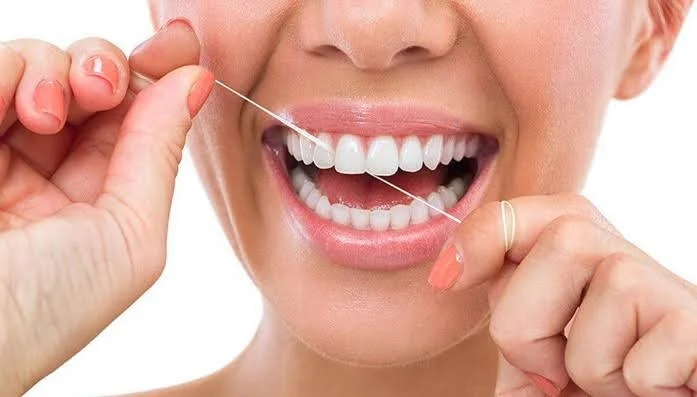
Daily interdental cleaning is important for preventing gum inflammation and reducing the risk of decay between teeth.
You can use:
Dental floss.
Interdental brushes.
Water flossers.
Specialised cleaning aids for dental bridges and implants.
The most appropriate option depends on the spaces between your teeth and your individual dental needs.
Patients with dental implants or implant-supported bridges may require specialised interdental brushes to clean underneath and around their restorations.
3. Clean Your Tongue
Your tongue can harbour bacteria, food debris and dead cells, which may contribute to bad breath.
Cleaning your tongue gently once daily can help reduce bacterial accumulation and improve oral freshness.
You can use a tongue scraper or the tongue-cleaning surface of some toothbrushes.
Avoid scraping too aggressively, as this may irritate the tongue.
4. Use Fluoride Toothpaste
Fluoride plays an important role in preventing tooth decay.
It helps remineralise weakened enamel and makes the tooth surface more resistant to acid produced by plaque bacteria.
For most adults, brushing twice daily with standard adult fluoride toothpaste is recommended.
Patients who are at increased risk of tooth decay may benefit from additional preventive measures, such as prescription-strength fluoride toothpaste, following their dentist's assessment.
5. Maintain a Healthy Diet
Your diet has a significant influence on your dental health.
Frequent consumption of sugary foods and drinks provides fuel for bacteria that produce acids capable of damaging tooth enamel.
It is not only the amount of sugar consumed that matters but also how frequently your teeth are exposed to it.
To support healthy teeth:
Reduce frequent sugary snacks.
Limit soft drinks and sweetened beverages.
Drink plenty of water.
Choose fresh vegetables and nutritious foods.
Avoid constantly snacking throughout the day.
Limit acidic drinks that may contribute to enamel erosion.
Water is particularly beneficial because it helps wash away food debris and supports normal saliva production.
6. Understand the Importance of Saliva
Saliva plays an important protective role in maintaining oral health.
It helps wash away food particles, neutralise acids and provide minerals that support enamel remineralisation.
Reduced saliva production, commonly known as dry mouth, can increase the risk of tooth decay, bad breath and oral discomfort.
Dry mouth may be associated with certain medications, medical conditions, dehydration or mouth breathing.
If you regularly experience a dry mouth, discuss it with your dentist so that appropriate preventive measures can be considered.
7. Avoid Smoking and Tobacco Products
Smoking can significantly affect the health of your gums and supporting bone.
It is associated with an increased risk of periodontal disease, delayed healing and implant complications.
Smoking can also contribute to:
Staining and discolouration of teeth.
Persistent bad breath.
Increased risk of oral cancer.
Reduced gum health.
Poor healing following dental procedures.
Quitting smoking is one of the most beneficial steps you can take to improve your oral and general health.
8. Regular Dental Check-Ups and Professional Cleaning
Even patients who brush and floss regularly can develop plaque and tartar in areas that are difficult to clean.
Once plaque hardens into tartar, it cannot be effectively removed using a toothbrush at home.
Professional dental cleaning helps remove accumulated deposits and allows your dentist to assess the health of your teeth and gums.
Regular dental examinations can also help identify early signs of:
Tooth decay.
Gingivitis and periodontal disease.
Cracked or fractured teeth.
Worn tooth surfaces.
Dental infections.
Oral soft tissue abnormalities.
The frequency of dental visits should be based on your individual oral health and risk factors.
9. Good Oral Hygiene for Dental Implants
Patients with dental implants need to maintain excellent oral hygiene to protect the tissues surrounding their implants.
Although dental implants cannot develop conventional tooth decay, the surrounding gum and bone can become infected.
One important condition is peri-implantitis, which involves inflammation around an implant and progressive loss of supporting bone.
To maintain implant health:
Brush carefully around the implant restorations.
Clean between implants and natural teeth.
Use appropriate interdental brushes.
Clean underneath implant-supported bridges.
Attend regular implant maintenance appointments.
Seek assessment if you notice bleeding, swelling or discomfort.
Good daily care is essential for supporting the long-term health of dental implants.
10. Teach Children Good Oral Hygiene Early
Developing healthy dental habits during childhood can establish a strong foundation for lifelong oral health.
Parents should encourage children to brush twice daily with age-appropriate fluoride toothpaste and supervise brushing until they develop sufficient coordination.
It is also important to limit frequent sugary snacks and drinks and establish regular dental visits from an early age.
Early prevention helps reduce the risk of childhood tooth decay and promotes positive attitudes towards dental care.
Common Oral Hygiene Mistakes to Avoid
Even people who brush every day may unknowingly make mistakes that affect their dental health.
Some common mistakes include:
Brushing too hard and damaging the gums.
Skipping daily flossing or interdental cleaning.
Using a worn-out toothbrush.
Brushing immediately after consuming acidic foods or drinks.
Consuming sugary drinks frequently.
Ignoring bleeding gums.
Using mouthwash as a replacement for brushing and flossing.
Delaying dental appointments until pain develops.
Remember, bleeding gums are not something you should simply accept as normal. They can be an early sign of gum inflammation and should be assessed.
Good Oral Hygiene Is an Investment in Your Long-Term Health
Maintaining healthy teeth and gums requires consistency. Small daily habits can make a significant difference in preventing dental problems and preserving your natural teeth.
Good oral hygiene is not just about brushing. It involves cleaning between your teeth, maintaining a balanced diet, avoiding smoking, protecting your gums and attending regular dental examinations.
At Pain Free Dentist Sydney in Dulwich Hill, we encourage patients to take a proactive approach to their oral health. Our aim is to help you maintain healthy teeth and gums through preventive dental care, early diagnosis and personalised treatment recommendations.
Looking after your smile today can help protect your natural teeth for years to come.
Book Your Dental Check-Up at Pain Free Dentist Sydney
Whether you need a routine dental examination, professional cleaning or advice about improving your oral hygiene, our friendly team is here to help.
Pain Free Dentist Sydney – Dr Lisa Chong
Phone: 02 9558 8988
Email: info@painfreedentistsydney.com.au
Website: painfreedentistsydney.com.au
Contact us to arrange your dental appointment in Dulwich Hill.