Does the thought of visiting the dentist make you feel anxious or uncomfortable? You are not alone. Many people experience dental anxiety, fear of injections, sensitivity or difficulty tolerating lengthy dental procedures.
For some patients, dental anxiety can become so overwhelming that they delay or completely avoid necessary dental treatment. Unfortunately, postponing dental care may allow minor dental problems to develop into more complicated conditions.
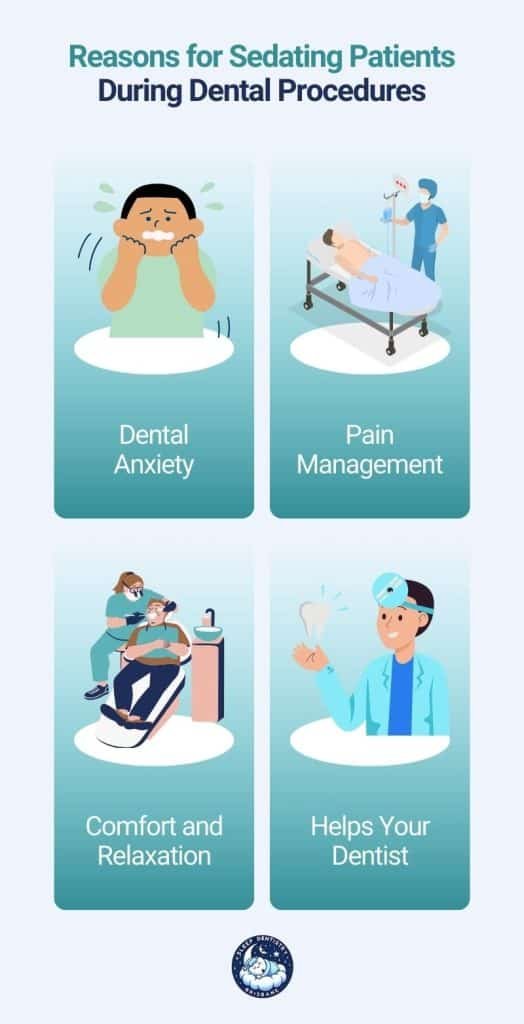
Dental sedation offers an option for patients who need additional support to feel comfortable during dental procedures.
At Pain Free Dentist Sydney in Dulwich Hill, we understand that every patient has different needs. Our approach focuses on patient comfort, communication and finding appropriate ways to make dental treatment a more positive experience.
What Is Dental Sedation?
Dental sedation involves using medication to help patients feel relaxed and comfortable during dental procedures.
Depending on the type of sedation, patients may experience reduced anxiety, drowsiness or limited awareness of the procedure.
Sedation can be particularly helpful for patients who experience:
Severe dental anxiety or dental phobia.
Fear of dental injections.
Difficulty tolerating dental instruments.
A strong gag reflex.
Difficulty sitting still for extended periods.
Sensitivity during dental procedures.
The need for lengthy or complex dental treatment.
Previous traumatic dental experiences.
Sedation does not necessarily mean that you will be unconscious. Different levels of sedation are available, depending on your medical history, treatment requirements and individual circumstances.
Different Types of Dental Sedation
There are several approaches to managing dental anxiety and improving patient comfort.
1. Local Anaesthesia
Local anaesthesia is commonly used during dental procedures to numb the treatment area and prevent pain.
Although local anaesthesia does not directly reduce anxiety, it helps make procedures more comfortable by blocking pain signals from the affected area.
It is frequently used for fillings, extractions, root canal treatment, dental implants and other dental procedures.
2. Oral Sedation
Oral sedation involves taking prescribed medication before a dental appointment to help reduce anxiety.
Patients may feel relaxed or drowsy, depending on the medication and dosage.
Oral sedation may be suitable for selected patients with mild to moderate dental anxiety.
However, it requires appropriate medical assessment, instructions and arrangements for transportation. Patients should never take sedative medication without specific instructions from their treating clinician.
3. Nitrous Oxide Sedation
Nitrous oxide, commonly known as laughing gas, is administered through a small nasal mask.
It helps patients feel relaxed while remaining conscious and responsive throughout treatment.
The effects generally wear off relatively quickly after administration is stopped.
Nitrous oxide may be useful for patients with mild to moderate dental anxiety, although suitability depends on individual circumstances.
4. Intravenous (IV) Sedation
IV sedation involves administering sedative medication directly into a vein under the supervision of an appropriately qualified sedation practitioner.
It can help patients feel deeply relaxed and less aware of the dental procedure.
Patients generally remain responsive to verbal instructions, although their awareness and memory of the procedure may be reduced.
IV sedation may be considered for patients with significant dental anxiety or those requiring extensive dental treatment.
Importantly, IV sedation is different from general anaesthesia. Under IV sedation, patients are not necessarily unconscious and require appropriate monitoring throughout treatment.
5. General Anaesthesia
General anaesthesia involves medication that produces a controlled state of unconsciousness.
Unlike conscious sedation, patients are not awake or responsive during the procedure.
General anaesthesia is generally performed in an appropriately equipped hospital or surgical facility with an anaesthesia team.
It may be considered for selected patients requiring complex dental surgery or when other approaches are unsuitable.
Who May Benefit from Dental Sedation?
Dental sedation may be beneficial for patients who struggle with conventional dental treatment.
It may be considered for:
Patients with dental phobia
Some patients experience significant fear due to previous painful or traumatic dental experiences. Sedation may help reduce anxiety and improve their ability to undergo necessary treatment.
Patients requiring extensive dental treatment
Procedures such as multiple extractions, dental implant placement, wisdom teeth removal and full-mouth rehabilitation may involve lengthy appointments.
Sedation may help improve patient comfort during these procedures.
Patients with a strong gag reflex
Some patients experience significant gagging when dental instruments are placed inside the mouth. Sedation may help manage this difficulty in suitable cases.
Patients with difficulty tolerating dental procedures
Patients who struggle to remain comfortable or relaxed during dental treatment may benefit from an individualised sedation approach.
What Dental Procedures Can Be Performed Under Sedation?
Depending on the patient's medical suitability and the sedation arrangements, various dental procedures may be performed with sedation.
These include:
Wisdom teeth removal.
Multiple tooth extractions.
Dental implant surgery.
All-on-4 and All-on-6 dental implants.
Bone grafting procedures.
Complex restorative dentistry.
Root canal treatment.
Extensive dental rehabilitation.
Full-mouth dental treatment.
The appropriate sedation method depends on the complexity of the procedure, expected treatment duration and the patient's medical history.
Is Dental Sedation Safe?
Dental sedation can be performed safely when patients are appropriately assessed, suitable medications are selected and the procedure is conducted by appropriately trained and qualified practitioners.
However, sedation is not completely without risk.
Before treatment, your medical history should be reviewed, including:
Existing medical conditions.
Current medications and supplements.
Allergies and previous medication reactions.
Previous experiences with sedation or general anaesthesia.
Respiratory and cardiovascular health.
Relevant fasting and airway considerations.
During sedation, appropriate monitoring is required according to the sedation level and clinical setting.
The patient must also receive clear pre-treatment and post-treatment instructions.
What Should You Expect Before and After Dental Sedation?
Preparation is an important part of safe dental sedation.
Before treatment:
Your treating team will provide instructions regarding fasting, medications, transportation and other necessary preparations.
Depending on the sedation technique, you may need a responsible adult to accompany you and take you home.
After treatment:
You may experience drowsiness, reduced coordination or temporary memory impairment, depending on the medication used.
You should follow your treating clinician's recovery instructions carefully.
After IV sedation, patients generally require an escort and must not drive, operate machinery, make important decisions or return to normal activities until the specified recovery period has passed.
Dental Sedation for Dental Implants and Full-Mouth Rehabilitation
Dental implant treatment can involve several stages, including extractions, implant placement and restorative procedures.
For patients with significant dental anxiety, sedation may help make these procedures more manageable.
Full-mouth rehabilitation, including All-on-4 and All-on-6 implant treatment, can involve lengthy surgical appointments and detailed treatment planning.
An appropriate sedation arrangement may improve patient comfort while allowing the dental team to perform the planned procedures.
However, the suitability of sedation must always be assessed individually.
Overcoming Dental Anxiety at Pain Free Dentist Sydney
At Pain Free Dentist Sydney in Dulwich Hill, we understand that dental anxiety is real and should never be dismissed.
Some patients have avoided dental treatment for many years because of fear, previous painful experiences or difficulty tolerating conventional dental procedures.
Our approach is compassionate and patient-focused. We take time to understand your concerns, explain the available treatment options and discuss appropriate ways to improve your comfort.
For suitable patients, dental treatment under IV sedation may be an option, with arrangements made for an appropriately qualified sedation practitioner.
Our goal is to help patients receive the dental care they need in a supportive and comfortable environment.
You do not have to let dental fear prevent you from looking after your oral health.
Book a Dental Consultation
If dental anxiety has stopped you from seeking treatment, speak with our team about your concerns and possible comfort options.
Pain Free Dentist Sydney – Dr Lisa Chong
Phone: 02 9558 8988
Email: info@painfreedentistsydney.com.au
Website: painfreedentistsydney.com.au
Contact Pain Free Dentist Sydney in Dulwich Hill to discuss your dental treatment and sedation options.