Do you experience jaw pain, clicking sounds when opening your mouth, frequent headaches or difficulty chewing? These symptoms may be associated with a condition known as temporomandibular joint disorder (TMD).
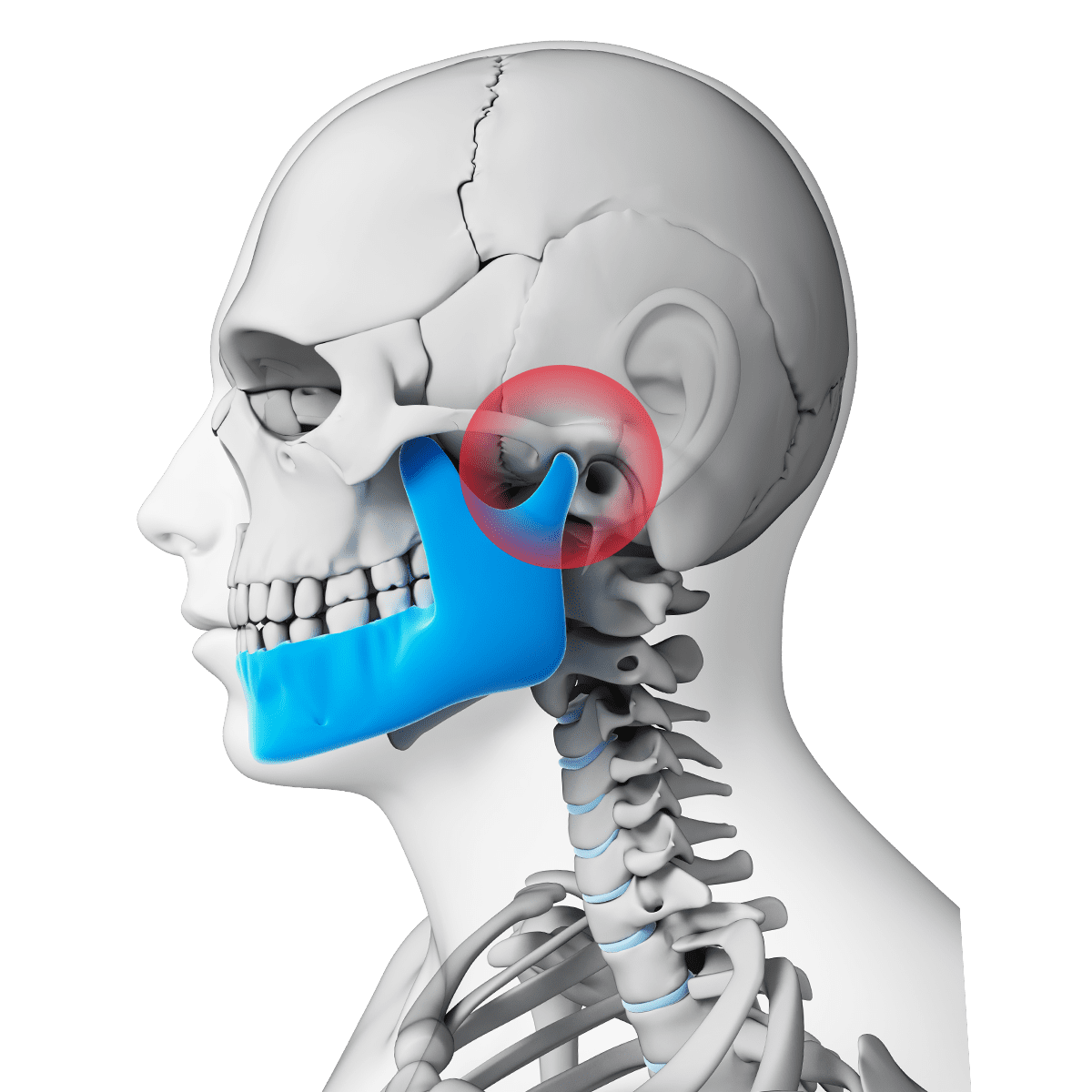
The temporomandibular joints (TMJs) are two important joints located on either side of your face, connecting your lower jaw to your skull. They work together with the surrounding muscles, ligaments and other structures to allow you to speak, chew, yawn and open and close your mouth.
When these structures are not functioning properly, they can contribute to a range of symptoms affecting the jaw, face, head and neck.
At Pain Free Dentist Sydney in Dulwich Hill, we understand that jaw pain can be complex and sometimes frustrating. Identifying the contributing factors is an important first step towards developing an appropriate management plan.
What Is TMJ Disorder?
TMJ disorder, more accurately referred to as temporomandibular disorder (TMD), describes a group of conditions affecting the jaw joints, chewing muscles and associated structures.
The condition can involve the joint itself, the surrounding muscles or a combination of both.
Some patients experience discomfort mainly in the jaw muscles, while others develop joint-related symptoms such as clicking, locking or restricted movement.
TMD can affect one or both sides of the jaw and may vary from occasional discomfort to persistent pain that interferes with everyday activities.
What Are the Common Symptoms of TMJ Disorder?
TMJ disorders can present differently between individuals. Some of the most common symptoms include:
Pain around the jaw joints.
Clicking or popping sounds when opening or closing the mouth.
Difficulty opening the mouth fully.
Jaw stiffness, particularly in the morning.
Pain when chewing or biting.
Frequent headaches or pain around the temples.
Facial muscle tenderness.
Ear-area discomfort or a sensation of fullness.
Neck and shoulder muscle tension.
Jaw locking or catching during movement.
Changes in the way the teeth meet.
Not everyone with jaw clicking has a TMJ disorder requiring treatment. However, clicking accompanied by pain, locking or restricted movement should be assessed.
What Causes TMJ Disorder?
TMJ disorder is generally considered multifactorial. This means that several contributing factors may be involved rather than one single cause.
Understanding these factors is important because treating only one aspect may not adequately address the patient's symptoms.
1. Teeth Grinding and Clenching (Bruxism)
Bruxism involves repetitive jaw muscle activity, including grinding or clenching the teeth.
Some people grind their teeth during sleep, while others clench their jaw during the day without realising it.
Excessive or sustained muscle activity may contribute to:
Jaw muscle fatigue.
Morning jaw stiffness.
Facial pain.
Headaches.
Excessive tooth wear.
Increased loading of the jaw joints.
A dental assessment can help identify signs of tooth wear and other possible indicators of bruxism.
2. Stress and Emotional Tension
Stress can influence jaw muscle activity and contribute to unconscious clenching.
Patients experiencing ongoing emotional stress may hold tension in their jaw, neck and shoulder muscles throughout the day.
This can contribute to muscle fatigue and aggravate existing jaw discomfort.
For some patients, improving stress management and developing awareness of daytime clenching are important parts of treatment.
3. Neck and Spinal Dysfunction
The jaw, head and neck are closely connected through muscles, nerves and postural mechanisms.
Cervical muscle tension, previous neck injuries and movement restrictions may contribute to symptoms in some patients with TMD.
For example, patients with a history of whiplash or ongoing neck discomfort may experience associated jaw muscle tension.
A multidisciplinary approach involving appropriately qualified physiotherapists may be beneficial when cervical or musculoskeletal factors are contributing to the patient's symptoms.
4. Bite and Dental Factors
The relationship between the upper and lower teeth influences how the jaw functions during chewing.
Missing teeth, significant tooth wear, unstable dental restorations and changes in the bite may need to be assessed as part of a comprehensive dental examination.
However, TMD should not automatically be attributed to an abnormal bite. Current evidence does not support the idea that every jaw disorder is caused by dental misalignment or that irreversible bite changes are an appropriate treatment for all patients.
5. Previous Trauma or Jaw Injury
An accident, sporting injury or direct impact to the jaw can affect the joint and surrounding tissues.
Previous facial or neck trauma may also contribute to ongoing muscle discomfort and altered jaw movement.
6. Joint-Related Conditions
Some patients develop changes within the temporomandibular joint itself.
These may include disc displacement, joint inflammation, degenerative joint changes or other structural abnormalities.
A detailed examination and appropriate imaging may be required to investigate suspected joint pathology.
The Relationship Between TMJ Disorder and Headaches
Many patients with TMD report frequent headaches, particularly around the temples and sides of the head.
This may occur because the muscles responsible for chewing are closely connected with the surrounding facial and head structures.
When these muscles become overactive or painful, discomfort may be referred to other areas.
TMD-related headaches can sometimes be mistaken for tension-type headaches or other headache conditions.
However, not all headaches originate from the jaw. A proper assessment is important to distinguish TMD-related pain from migraine, cervical headaches and other medical causes.
Can TMJ Disorder Cause Neck and Shoulder Pain?
Yes, jaw dysfunction and neck discomfort can occur together.
The muscles of the jaw, head and cervical region work in coordination during everyday activities.
In some patients, increased muscle tension in one area may contribute to discomfort in another.
This is why assessing the jaw alone may not provide a complete understanding of the patient's symptoms.
Depending on the clinical findings, treatment may involve dental care alongside physiotherapy or other appropriate musculoskeletal management.
How Is TMJ Disorder Diagnosed?
An accurate diagnosis is essential because different types of TMD require different management approaches.
A comprehensive assessment may include:
1. Medical and dental history
Your dentist will ask about your symptoms, previous injuries, headaches, grinding habits, stress levels and relevant medical history.
2. Jaw movement assessment
The range of mouth opening, jaw movement, deviation and any locking symptoms may be evaluated.
3. Muscle examination
The chewing muscles and surrounding structures may be assessed for tenderness, tension and pain reproduction.
4. Joint examination
Your dentist may assess joint sounds, movement patterns and tenderness around the temporomandibular joints.
5. Dental and bite assessment
The teeth, existing restorations, tooth wear and bite relationship are examined where clinically relevant.
6. Diagnostic imaging
Depending on the suspected condition, imaging may be recommended.
CBCT can provide detailed information about the bony structures of the jaw joints.
MRI can help assess the position and condition of the articular disc and other soft tissues.
Other imaging may be considered depending on the clinical presentation.
Not every patient requires advanced imaging. Investigations should be guided by the clinical examination and whether the results are likely to influence treatment decisions.
Treatment Options for TMJ Disorder
There is no single treatment suitable for every patient with TMD.
Management depends on the underlying diagnosis, symptom severity and contributing factors.
In many cases, conservative and reversible treatment options are considered first.
1. Occlusal Splint Therapy
An occlusal splint is a custom-made dental appliance designed to fit over the teeth.
Depending on its design and purpose, it may help protect teeth from grinding damage and modify loading on the jaw system.
A splint may be considered for selected patients experiencing bruxism or certain forms of TMD.
Regular reviews and adjustments may be necessary to assess comfort, fit and clinical response.
2. Physiotherapy
Physiotherapy may help patients experiencing restricted jaw movement, muscle tension or associated cervical dysfunction.
Treatment may include:
Jaw movement exercises.
Postural education.
Cervical mobility exercises.
Muscle relaxation techniques.
Manual therapy where appropriate.
Education about reducing excessive jaw muscle activity.
A physiotherapist with experience in temporomandibular disorders may be helpful when musculoskeletal factors are involved.
3. Myofascial Therapy
Myofascial therapy focuses on addressing muscle and soft tissue tension.
Some patients with TMD experience tightness in the jaw, face, neck and shoulder regions.
Appropriate soft tissue techniques may help improve comfort and movement in selected patients.
When muscle tension is contributing to altered jaw movement, reassessing the bite and splint after treatment may be appropriate.
4. Botox for TMJ-Related Muscle Pain
Botulinum toxin injections may be considered in selected cases involving persistent jaw muscle overactivity.
The treatment temporarily reduces muscle activity and may help some patients with certain muscle-related symptoms.
However, evidence for its effectiveness in TMD remains variable, and it is not suitable for everyone.
Potential risks, including muscle weakness, changes in chewing function and possible effects on bone, should be discussed before treatment.
5. Managing Teeth Grinding and Clenching
Identifying and managing bruxism is an important part of treatment for some patients.
Strategies may include:
Developing awareness of daytime clenching.
Keeping the teeth slightly apart when not eating.
Reducing excessive chewing habits.
Addressing contributing stress factors.
Reviewing sleep quality.
Using an appropriate protective splint when indicated.
6. Multidisciplinary Management
Because TMD is multifactorial, some patients benefit from coordinated care involving different healthcare professionals.
Depending on the findings, this may include:
A dentist experienced in TMD assessment.
A physiotherapist.
A myofascial therapist.
A medical practitioner.
A psychologist or other appropriate healthcare professional when stress, anxiety or chronic pain factors are relevant.
Addressing the jaw, muscles and associated physical factors together may provide a more comprehensive approach than focusing on one structure alone.
Why Is It Important to Treat TMJ Disorder Early?
Persistent jaw pain can affect many aspects of everyday life.
Patients may begin avoiding certain foods, experience disrupted sleep or find it difficult to concentrate because of recurring headaches and discomfort.
Early assessment can help identify contributing factors and establish an appropriate management plan.
It is also important to avoid unnecessary or irreversible dental procedures without a clear diagnosis and clinical indication.
If you experience sudden jaw locking, significant swelling, fever or severe new symptoms, seek prompt medical or dental assessment.
TMJ Disorder Treatment at Pain Free Dentist Sydney
At Pain Free Dentist Sydney in Dulwich Hill, Dr Lisa Chong takes a comprehensive approach to assessing patients experiencing jaw pain, teeth grinding, headaches and temporomandibular dysfunction.
We recognise that TMJ disorder is not simply a problem involving the jaw joint. The chewing muscles, cervical region, dental structures, sleep habits and other contributing factors may all need consideration.
Our approach focuses on understanding the underlying clinical presentation and discussing suitable management options.
Where appropriate, treatment may involve occlusal splint therapy, dental assessment, muscle-related management and collaboration with other healthcare practitioners.
Our goal is to help patients better understand their jaw condition and work towards improved comfort, function and quality of life.
Book a TMJ Consultation
If you experience persistent jaw pain, clicking, headaches, facial tension or difficulty opening your mouth, a comprehensive assessment may help identify the underlying problem.
Contact Pain Free Dentist Sydney in Dulwich Hill to arrange a consultation with Dr Lisa Chong.
Pain Free Dentist Sydney – Dr Lisa Chong
Phone: 02 9558 8988
Email: info@painfreedentistsydney.com.au
Website: painfreedentistsydney.com.au