otox for TMJ Pain Relief: A Modern Treatment for Jaw Discomfort
Temporomandibular joint (TMJ) disorders are a common cause of jaw pain, headaches, teeth grinding, and facial tension. For patients who do not respond well to traditional treatments, Botox has become an increasingly popular option for relieving TMJ-related symptoms.
Botox is widely known for cosmetic use, but it also has therapeutic benefits for muscle-related conditions such as jaw clenching and TMJ dysfunction.
What Is TMJ Disorder?
Temporomandibular Joint Disorder refers to dysfunction in the jaw joint and surrounding muscles. It can affect one or both sides of the jaw and may vary in severity.
Common symptoms include:
Jaw pain or tenderness
Clicking or popping sounds when opening the mouth
Headaches or migraines
Ear pain or pressure
Difficulty chewing
Jaw locking or stiffness
Teeth grinding (bruxism)
How Botox Helps TMJ Pain
Botulinum toxin works by temporarily relaxing overactive muscles in the jaw, particularly the masseter and temporalis muscles.
When these muscles are overactive due to clenching or grinding, they can cause pain, inflammation, and joint stress.
Botox reduces muscle activity, which helps:
Decrease jaw tension
Reduce clenching and grinding
Relieve TMJ-related pain
Improve jaw function
Reduce associated headaches
What Happens During Botox Treatment for TMJ?
The procedure is relatively quick and minimally invasive.
Step-by-step process:
Consultation and assessment
Jaw muscle evaluation
Discussion of symptoms and history
Treatment planning
Identification of injection points in jaw muscles
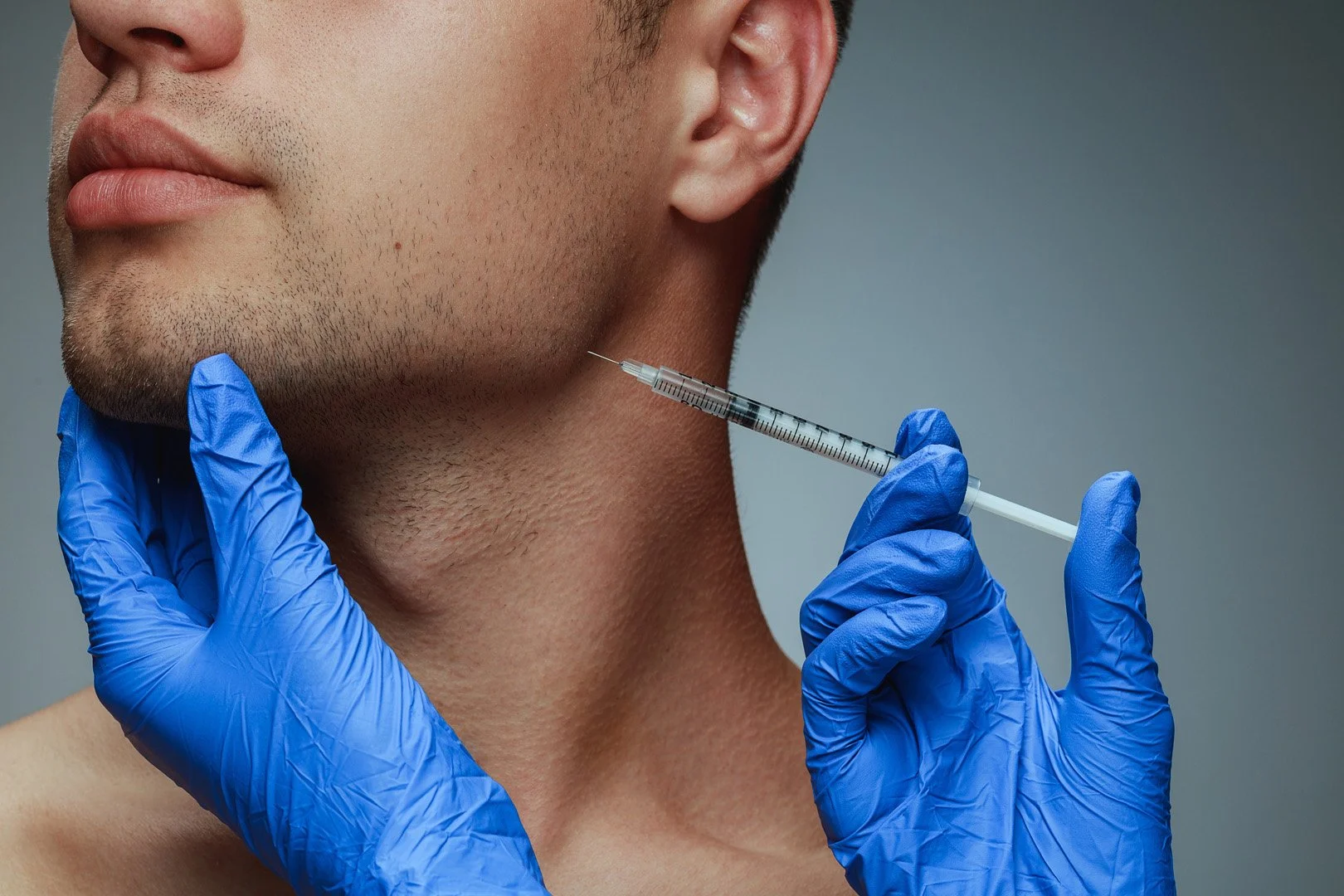
Botox injections
Small injections into the masseter and/or temporalis muscles
Usually completed within 10–20 minutes
Post-treatment care
Normal activities can resume immediately
Full effect develops over 7–14 days
Benefits of Botox for TMJ Pain Relief
Reduces Jaw Pain and Tension
By relaxing overactive muscles, Botox helps reduce chronic discomfort.
Helps with Teeth Grinding (Bruxism)
Patients who clench or grind their teeth often experience reduced muscle activity.
Decreases Headaches
TMJ-related tension headaches may improve significantly.
Non-Surgical Treatment
No surgery or downtime is required.
Improves Quality of Life
Better jaw comfort can improve sleep, chewing, and daily function.
How Long Does Botox for TMJ Last?
Results are temporary but long-lasting:
Typically lasts 3 to 4 months
Some patients experience longer relief after repeated treatments
Regular maintenance sessions may be needed
Side Effects and Risks
Botox for TMJ is generally safe when performed by a qualified clinician, but possible side effects include:
Mild swelling or bruising at injection sites
Temporary jaw weakness
Difficulty chewing harder foods (rare)
Asymmetry in facial muscle strength (uncommon)
Serious complications are rare.
Who Is a Good Candidate for TMJ Botox?
You may benefit from Botox if you:
Have chronic jaw pain or tightness
Experience teeth grinding or clenching
Have not responded well to night guards or physiotherapy
Experience TMJ-related headaches
Want a non-surgical treatment option
A dental or medical assessment is required before treatment.
Botox vs Traditional TMJ Treatments
Night Guards
Protect teeth from grinding
Do not directly relax muscles
Physiotherapy
Improves jaw function and mobility
Requires ongoing exercises
Botox
Directly reduces muscle activity
Provides faster symptom relief
Temporary but effective for many patients
Often, Botox is used alongside other treatments for best results.
Frequently Asked Questions
Is Botox for TMJ painful?
Most patients report only mild discomfort during injections.
How quickly does it work?
Initial improvement may be noticed within a few days, with full results in 1–2 weeks.
Does Botox fix TMJ permanently?
No. It manages symptoms but does not cure underlying structural issues.
Can Botox change my face shape?
In some cases, long-term treatment may slim the jawline due to reduced muscle size.
Conclusion
Botox for TMJ pain relief is an effective, minimally invasive treatment option for patients suffering from jaw tension, clenching, and TMJ-related discomfort. By relaxing overactive jaw muscles, it can significantly reduce pain and improve daily function.
A professional assessment is essential to determine whether Botox is suitable as part of your TMJ treatment plan.