Missing Teeth? Here’s Why Dental Implants Are the Gold Standard
Losing a tooth can affect more than just your smile. It can impact your ability to chew, speak clearly, and maintain proper jaw alignment. While there are several tooth replacement options available, dental implants are widely considered the most advanced and long-lasting solution.
Unlike dentures or bridges, dental implants replace both the visible tooth and the root underneath, creating a stable and natural-feeling restoration.
What Are Dental Implants?
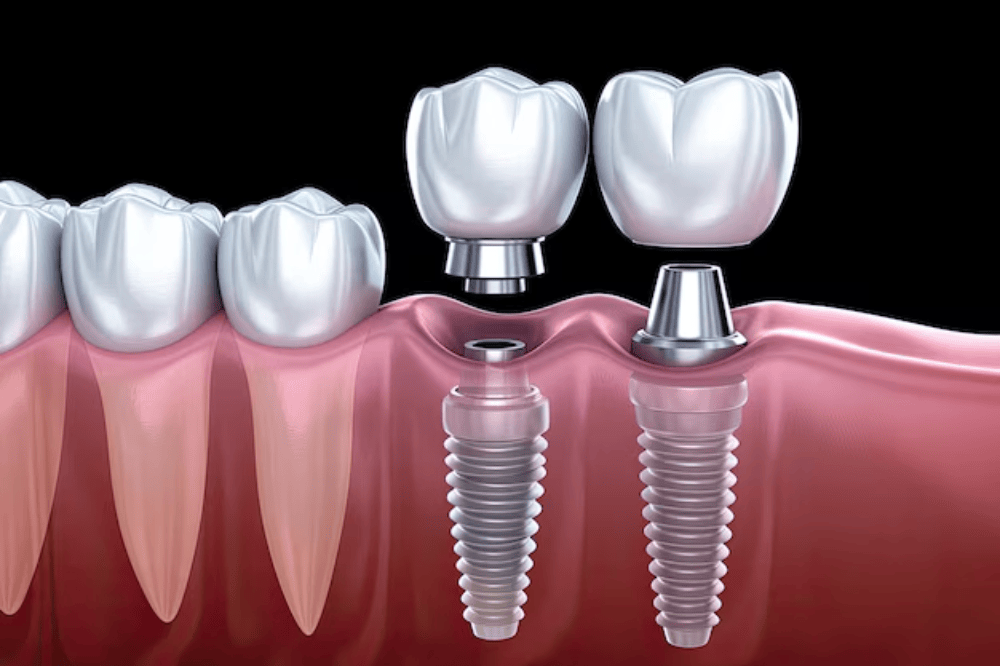
Dental implants are small titanium or ceramic posts placed into the jawbone to act as artificial tooth roots. Once healed, a crown is attached to the implant, creating a fully functional replacement tooth.
A complete dental implant consists of three parts:
Implant fixture (root placed in the bone)
Abutment (connector piece)
Dental crown (visible tooth)
This structure mimics a natural tooth more closely than any other replacement option.
Why Dental Implants Are Considered the Best Tooth Replacement
1. They Look and Feel Like Natural Teeth
Dental implants are designed to blend seamlessly with your existing teeth. The crown is custom-made to match your smile in shape, size, and colour.
Most patients report that implants feel so natural they forget they ever lost a tooth.
2. They Preserve Jawbone Health
When a tooth is lost, the jawbone begins to shrink due to lack of stimulation. Dental implants are the only tooth replacement option that stimulates the bone like a natural tooth root.
This helps:
Prevent bone loss
Maintain facial structure
Avoid premature ageing of the face
3. Long-Lasting and Durable
With proper care, dental implants can last decades—and often a lifetime.
Compared to other options:
Dentures may need frequent replacement
Bridges typically last 7–15 years
Implants can last 20+ years or longer
This makes them one of the most cost-effective long-term solutions.
4. No Damage to Adjacent Teeth
Dental bridges require neighbouring teeth to be shaved down for support. Implants do not rely on surrounding teeth, meaning:
No alteration of healthy teeth
Independent support structure
Better long-term oral health
5. Improved Chewing Ability
Dental implants restore near-normal bite strength, allowing you to eat comfortably and confidently.
Patients can enjoy:
Crunchy foods
Chewy foods
A wider variety of diet options
This is a major advantage over removable dentures.
6. Prevents Denture Discomfort and Slipping
Unlike removable dentures, implants are fixed in place. This eliminates common denture issues such as:
Slipping while speaking
Difficulty eating certain foods
Adhesive dependency
Gum irritation
7. Supports Clear Speech
Missing teeth or loose dentures can affect pronunciation. Dental implants restore stable tooth structure, helping improve speech clarity.
8. High Success Rate
Dental implants have a success rate of over 95% when placed in healthy patients and maintained properly. Advances in dental technology continue to improve outcomes and healing times.
Who Is a Good Candidate for Dental Implants?
You may be suitable for implants if you:
Have one or more missing teeth
Have healthy gums
Have adequate jawbone density (or are eligible for bone grafting)
Do not have uncontrolled medical conditions
Are a non-smoker or willing to reduce smoking
A full dental assessment is required to determine suitability.
The Dental Implant Process
Step 1: Consultation and Planning
Your dentist will assess your teeth, gums, and bone structure using X-rays or 3D scans.
Step 2: Implant Placement
The implant post is surgically placed into the jawbone under local anaesthetic or sedation.
Step 3: Healing Period (Osseointegration)
The bone gradually fuses with the implant over several weeks to months.
Step 4: Crown Placement
A custom-made crown is attached, completing your new tooth.
Are Dental Implants Painful?
Most patients report that the procedure is more comfortable than expected. Local anaesthetic ensures the area is numb, and post-treatment discomfort is usually mild and manageable with over-the-counter pain relief.
Dental Implants vs Other Tooth Replacement Options
Dental Implants
Permanent solution
Looks and feels natural
Preserves bone
No impact on nearby teeth
Dental Bridges
Faster treatment
Requires support from adjacent teeth
May need replacement over time
Dentures
Removable
Lower upfront cost
May feel less stable or comfortable
How to Care for Dental Implants
Caring for implants is similar to natural teeth:
Brush twice daily
Floss or use interdental brushes
Attend regular dental check-ups
Avoid smoking to protect gum health
Good oral hygiene is essential for long-term success.
Are Dental Implants Worth It?
For most patients, dental implants offer the most complete and long-lasting solution to tooth loss. While the initial investment is higher than other options, their durability, function, and natural feel make them a preferred choice for both patients and dentists.
Restore Your Smile With Confidence
Dental implants are more than just a cosmetic fix—they restore function, protect bone health, and improve quality of life.
If you're missing teeth and looking for a permanent solution, book a consultation with our dental team to see if implants are right for you.