
"Why is my baby struggling to latch? Why is nursing so painful?"
If you are asking these questions in the middle of a sleepless night, you are not alone. Many breastfeeding difficulties aren't due to "bad luck" or "poor technique"—they are often caused by a physical restriction in your baby's mouth.
Two of the most common (and most treatable) culprits are Tongue Tie (Ankyloglossia) and Lip Tie.
Here is everything you need to know about what they are, how to spot them, and what treatment looks like for your little one.
What Exactly Are Tongue Tie and Lip Tie?
In simple terms, these are pieces of tissue that are too tight.
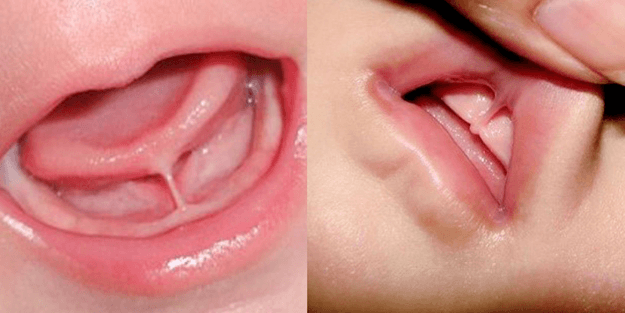
Tongue Tie: This happens when the lingual frenulum—the small band of tissue connecting the bottom of your baby's tongue to the floor of their mouth—is unusually short, thick, or tight. This restricts the tongue's range of motion.
Lip Tie: This occurs when the labial frenulum—the tissue connecting the upper lip to the gumline—is too tight. This often prevents the upper lip from flanging outward properly.
While some babies have one or the other, it is very common for them to occur together.
The Domino Effect: Why These Tissues Matter
A tight frenulum doesn't just affect the mouth; it affects the whole body's function. When your baby cannot move their tongue or lip freely, it disrupts the vacuum seal needed for effective breastfeeding.
Signs You Might Notice During Feeding:
For Baby: A weak or shallow latch, clicking or smacking sounds while nursing, slipping off the breast frequently, taking very long feeds, or falling asleep before they are full.
For Mom: Persistent nipple pain, cracked or blistered nipples, mastitis, or a significant drop in milk supply due to poor drainage.
Beyond Feeding:
Babies with these restrictions often swallow excess air, leading to excessive gas, fussiness, and colic-like symptoms. They may also struggle to gain weight appropriately despite frequent feeding attempts.
The Hidden Signs: What You Can See
You don't need a medical degree to spot a potential tongue or lip tie. Here are the visual clues dentists and lactation consultants look for:
A Heart-Shaped Tongue: When your baby cries or tries to stick their tongue out, the tip may look notched or shaped like a heart.
Inability to Lift: They cannot lift their tongue to the roof of their mouth or stick it out past their bottom gumline.
A "Lip Blister": You may notice a callus or blister on the center of their upper lip from trying to compensate for the restriction.
A Gap in the Gums: A very tight lip tie often causes a visible gap between the two front baby teeth.
The Treatment: The Frenotomy Procedure
If you suspect a tie, the first step is a comprehensive evaluation—often performed by a pediatric dentist or an ENT specialist. They will assess not just the tissue, but how your baby uses their tongue and lip.
If a release is recommended, the standard treatment is a frenotomy (often called a "clip").
What to Expect:
The Process: The procedure takes less than 60 seconds. The dentist uses a laser or sterile scissors to snip the tight tissue.
Pain Management: Because there are very few nerve endings in this tissue, anesthesia is rarely needed.
Immediate Effect: The release is quick, and your baby can usually breastfeed immediately after the procedure. This is actually encouraged, as it helps soothe them and starts the retraining process.
The Recovery: Stretches Are Non-Negotiable
Here is the most important thing parents need to know: The procedure is only half the battle.
The tissue wants to heal back together. If you simply clip it and go home, there is a high chance it will reattach.
For 2 to 4 weeks post-procedure, you will be given a set of oral stretches to perform with your baby, usually 4 to 6 times per day.
You will gently lift the tongue and lip with a gloved finger to massage the site and keep the tissue from fusing back.
Does this sound intimidating? Yes. But it is the single most critical factor in a successful release. Most parents find it gets significantly easier after the first 72 hours.
When Will We See Improvement?
The release is instant, but the feeding improvement is a journey.
Day 1-3: You may not see much change. The baby is used to their old habits and needs to learn how to use their new range of motion.
Week 1-2: Many moms report a significant reduction in nipple pain and a deeper latch.
Week 3-4: Transfer of milk usually improves dramatically, and feeding times shorten.
Remember: Your baby has to "re-learn" how to suck. It is a motor skill, like learning to ride a bike. Be patient with them—and with yourself.
The Bottom Line
If you are struggling with breastfeeding and your baby seems constantly unsettled, trust your instincts. Tongue and lip ties are often overlooked by general pediatricians but are quickly identified by trained dental professionals.
The good news? This is a mechanical problem with a highly effective, low-risk mechanical solution. Getting it treated early doesn't just save your breastfeeding journey—it sets your baby up for better sleep, better weight gain, and even proper facial growth as they develop.
Is your baby showing signs of feeding difficulty? Don't wait until you're completely exhausted. Call our office today to schedule a pediatric oral assessment. We'll help you figure out what's going on and create a care plan that works for your entire family.