
"My jaw is throbbing, I can't open my mouth fully, and the thought of getting these teeth out makes me want to cancel the appointment."
If this sounds like you, you are not alone. Wisdom tooth pain is notorious for being some of the most intense dental pain you can experience—and dental anxiety is just as real as the physical ache.
The good news? You don't have to suffer through either. Modern dentistry offers a game-changer for fearful patients: IV sedation.
Here is everything you need to know about recognizing dangerous wisdom tooth symptoms, and how sedation can turn a terrifying procedure into a peaceful nap.
Why Do Wisdom Teeth Cause So Much Pain?
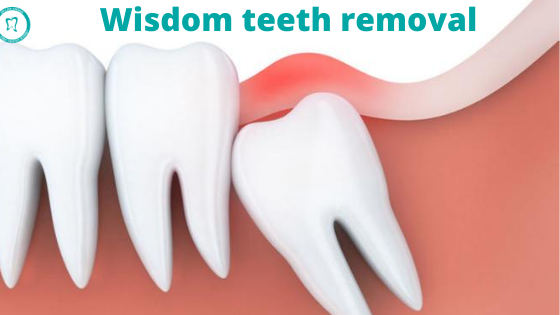
Wisdom teeth (third molars) are the last teeth to erupt, usually between the ages of 17 and 25. The problem? Most human jaws are simply too small to accommodate them.
When there isn't enough room, the teeth become impacted—meaning they are trapped beneath the gum tissue or growing in at an angle. This impaction triggers a cascade of painful issues:
Pressure Pain: The tooth pushes against neighboring molars, causing deep, radiating jaw pain.
Infection (Pericoronitis): The gum flap covering a partially erupted tooth traps food and bacteria, leading to swelling, infection, and a foul taste.
Cyst Formation: Fluid-filled sacs can form around the impacted tooth, damaging the jawbone and nearby tooth roots.
Sinus Pressure: Upper wisdom teeth can push against your sinuses, causing headaches and congestion.
Red Flags: When Pain Becomes an Emergency
Not all wisdom tooth discomfort requires immediate surgery, but these symptoms are your body waving a red flag:
Severe, Throbbing Pain at the Back of Your Jaw: Pain that radiates to your ear, temple, or neck.
Swollen, Tender Gums: Redness, puffiness, or pus near the affected tooth.
Lockjaw (Trismus): Difficulty opening your mouth fully or swallowing.
Facial Swelling: Swelling that extends to your cheek or eye—this can indicate a spreading infection.
Persistent Headaches: Unexplained tension headaches originating from jaw pressure.
The Bottom Line: If you are experiencing any of these, do not wait. The infection or impaction will not resolve on its own. Delaying treatment only increases the risk of complications and makes the surgery more complex.
The Anxiety Factor: "I Know I Need It, But I'm Terrified"
Dental anxiety affects nearly 1 in 3 adults. When that anxiety is paired with severe pain, the result is often paralysis—you stay stuck in pain because you are too scared to get help.
Here is the reality: Fear of the unknown is worse than the procedure itself. Most patients imagine the sounds, the pressure, and the loss of control. They worry about feeling everything or having a panic attack in the chair.
This is where IV sedation changes absolutely everything.
What Is IV Sedation? (And Why It's Perfect for Anxious Patients)
IV sedation, often called "sleep dentistry" or "twilight sedation," is the gold standard for patients with high anxiety, complex extractions, or multiple impacted teeth.
Here is exactly how it works:
Before the Procedure
You arrive at the office, and a certified anesthesiologist or dentist gently places a small IV line in your arm. Through this line, a carefully measured dose of sedative medication is delivered directly into your bloodstream.
During the Procedure
Within 30 to 60 seconds, you will feel deeply relaxed. You are not fully unconscious like general anesthesia—you are in a state of "conscious sedation."
You will not feel fear. The medication specifically targets the part of your brain that processes anxiety.
You will not feel pain. Local anesthetic is still used, but you are so relaxed you won't mind the injections.
You will not remember much. Most patients describe it as "falling asleep" and waking up with no memory of the surgery at all. The procedure that takes 45 minutes feels like 5.
After the Procedure
The sedative effect wears off gradually. You will be groggy but comfortable. Because the medication is IV-administered, the dentist can adjust the level instantly if needed, making it incredibly safe.
Who Is a Good Candidate for IV Sedation?
You are an ideal candidate for IV sedation if:
You have severe dental anxiety or a fear of needles/drills.
You have a strong gag reflex that makes treatment difficult.
You are having multiple or deeply impacted wisdom teeth removed.
You have a history of traumatic dental experiences.
You simply want the procedure to be as effortless as possible.
Important: Because the medication affects your reflexes and judgment, you will need a responsible adult to drive you home and stay with you for the first few hours after the procedure.
What If I Choose Not to Be Sedated?
We absolutely respect patients who prefer to stay awake. For simple, fully erupted wisdom teeth, local anesthetic (numbing shots) alone is often sufficient.
However, for impacted teeth, the procedure involves cutting gum tissue, removing bone, and sectioning the tooth. Being awake for this can be stressful—even for patients without anxiety. Choosing IV sedation is not a sign of weakness; it is a tool to ensure you have a safe, comfortable, and trauma-free experience.
Recovery After Wisdom Tooth Removal
Whether sedated or not, recovery is the same:
Day 1-2: Rest, ice packs on your cheeks, and soft foods. Keep your head elevated.
Day 3-5: Swelling peaks and then begins to subside. You can transition to warm compresses.
Week 1-2: Stitches dissolve or are removed. Most patients return to normal activities within a few days.
The sedation does not affect your healing time—it simply removes the memory and stress of the surgery itself.
The Bottom Line
Wisdom tooth pain is a sign that your body needs intervention. Ignoring it will not make it go away—it will only lead to infection, cysts, and damage to your other teeth.
But here is the most important takeaway: You do not have to be brave to get this done.
With IV sedation, you can walk into the office feeling anxious, and walk out having absolutely zero memory of the procedure. You simply close your eyes, take a deep breath, and wake up with the problem solved.
Your comfort matters just as much as your clinical outcome. We are here to treat both.
Are you in pain but terrified of the extraction? Call our office today to schedule a consultation. We will discuss your anxiety level, assess your wisdom teeth, and design a sedation plan that puts you completely at ease.