You wake up in the morning with a dull headache, an aching jaw, and teeth that feel oddly sensitive. You brush it off as a bad night's sleep or stress. But if this sounds familiar, there is a good chance you are grinding your teeth at night—a condition known as bruxism.
The problem is, most people don't even know they are doing it. It happens subconsciously while you sleep or even during the day when you're focused or stressed. And if left untreated, it can cause serious damage to your teeth, jaw, and overall health.
Let's dive into what bruxism is, why it happens, and—most importantly—what you can do to stop it.
What Is Bruxism?
Bruxism is the medical term for clenching, grinding, or gnashing your teeth. It can happen:
During sleep (sleep bruxism): This is the most common type and is often linked to sleep disorders or sleep apnea.
During the day (awake bruxism): This usually involves clenching (rather than grinding) and is often triggered by stress, concentration, or anxiety.
Many people with bruxism don't realize they have it until a dentist points out the wear patterns on their teeth or a partner complains about the noise at night.
Common Symptoms of Teeth Grinding
Bruxism can be sneaky. Here are the warning signs to watch out for:
Headaches: Frequent dull headaches, especially in the temples, upon waking.
Jaw pain or soreness: Pain, stiffness, or fatigue in your jaw muscles.
Earache: Pain that feels like an ear infection but isn't.
Sensitive teeth: Increased sensitivity to hot, cold, or sweet foods.
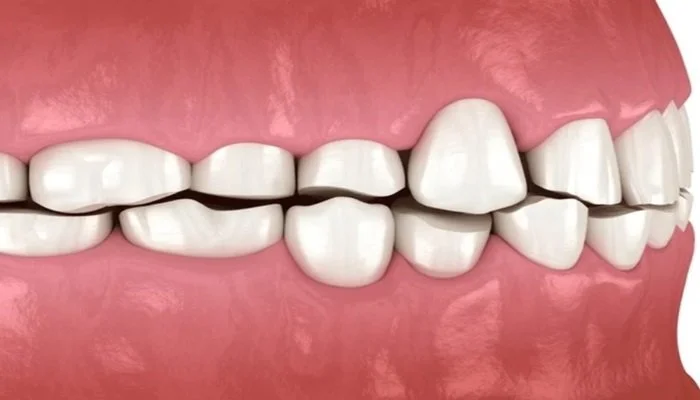
Worn or flattened teeth: Your teeth may appear shorter or have chipped edges.
Locked jaw: Difficulty opening or closing your mouth fully.
Clicking or popping: Sounds from the jaw joint when you open your mouth.
What Causes Teeth Grinding?
Bruxism is rarely caused by a single factor. It is usually a combination of physical, psychological, and lifestyle triggers:
1. Stress and Anxiety
This is the #1 culprit. When you're stressed, your body holds tension in your jaw muscles. That tension doesn't disappear when you sleep—it manifests as grinding.
2. Sleep Disorders
Bruxism is strongly linked to sleep apnea and snoring. The body may grind teeth as a reflex to open the airway during sleep disturbances.
3. Lifestyle Factors
Excessive caffeine or alcohol intake
Smoking
Recreational drug use (especially stimulants)
4. Medications
Certain antidepressants (particularly SSRIs) have been linked to teeth grinding as a side effect.
5. Bite Misalignment
If your teeth don't fit together perfectly, your jaw may naturally try to find a comfortable position—often resulting in clenching.
The Hidden Dangers of Ignoring Bruxism
Bruxism isn't just annoying—it can cause real damage over time:
Tooth Wear: Grinding wears down the enamel, the protective outer layer of your teeth. Once it's gone, it doesn't grow back.
Cracked or Broken Teeth: Severe grinding can cause teeth to crack, chip, or even fracture.
Gum Recession: The pressure from grinding can push teeth outward, causing gums to recede.
TMJ Disorders: Chronic grinding stresses the temporomandibular joint, leading to TMJ pain and dysfunction.
Sleep Disruption: The noise and discomfort can disturb your sleep quality (and your partner's).
How to Stop Grinding Your Teeth
The good news is that bruxism is treatable. Here's a step-by-step approach:
1. Get a Night Guard (Mouth Splint)
This is the most common and effective treatment. A custom-fitted night guard from your dentist acts as a protective barrier between your upper and lower teeth.
Custom vs. Over-the-Counter: OTC guards are cheaper, but they often don't fit well and can actually encourage more clenching. A dentist-made guard is tailored to your bite and offers the best protection.
How it works: It doesn't stop you from grinding, but it absorbs the pressure and protects your tooth enamel from damage.
2. Manage Stress and Anxiety
Since stress is a major trigger, stress management is essential:
Deep breathing exercises: Before bed, take 5 minutes to breathe deeply—inhale for 4 seconds, hold for 4, exhale for 4.
Mindfulness or meditation: Apps like Calm or Headspace can help you unwind.
Journaling: Write down your worries before sleep to clear your mind.
Therapy: Cognitive Behavioral Therapy (CBT) can help address the root causes of stress.
3. Practice Jaw Relaxation Exercises
Train your jaw to rest in a relaxed position:
The "Lips Together, Teeth Apart" Rule: Your jaw at rest should have teeth slightly apart and lips closed. Check in with yourself throughout the day.
Gentle Massage: Massage your jaw muscles (masseter) in small circular motions to release tension.
Warm Compress: Apply a warm towel to your cheeks before bed to relax the muscles.
4. Adjust Your Lifestyle
Small changes can make a big difference:
Reduce caffeine and alcohol, especially in the evening.
Avoid chewing gum—it trains your jaw to clench.
Don't chew on pens, pencils, or your nails—this reinforces the habit.
5. Treat Underlying Sleep Issues
If you snore or suspect sleep apnea, talk to your doctor. Treating the underlying sleep disorder can significantly reduce nighttime grinding.
6. Medication Adjustments
If you suspect a medication is causing your bruxism, speak to your prescribing doctor. Never stop medication without professional guidance.
When to See a Professional
If you've tried the above for a few weeks and still experience pain or damage, it's time to escalate:
See your dentist: They can assess the wear on your teeth, fit you for a night guard, and monitor for damage.
See a doctor: If stress, anxiety, or sleep disorders are the root cause, a physician or sleep specialist can help.
Physical therapy: A physical therapist can work on neck and jaw alignment and teach you relaxation techniques.
The Bottom Line
Teeth grinding is more than just a nighttime nuisance—it's a condition that can affect your dental health, sleep quality, and daily comfort. But here's the good news: with the right combination of protection, stress management, and lifestyle changes, you can break the cycle.
Start with the small steps: relax your jaw, reduce caffeine, and consider a night guard. Your teeth (and your sleep partner) will thank you.