Thinking about replacing a missing tooth?
You may have searched for dental implants, watched a few videos and read countless opinions—but you're still wondering one thing:
Are dental implants really worth it?
For many people, dental implants can be an excellent long-term option for replacing missing teeth. But choosing implant treatment is a personal decision, and it's important to understand what is involved before moving forward.
Here are seven important things to know.
1. Dental Implants Are More Than Just a Replacement Tooth
A dental implant isn't simply a false tooth.
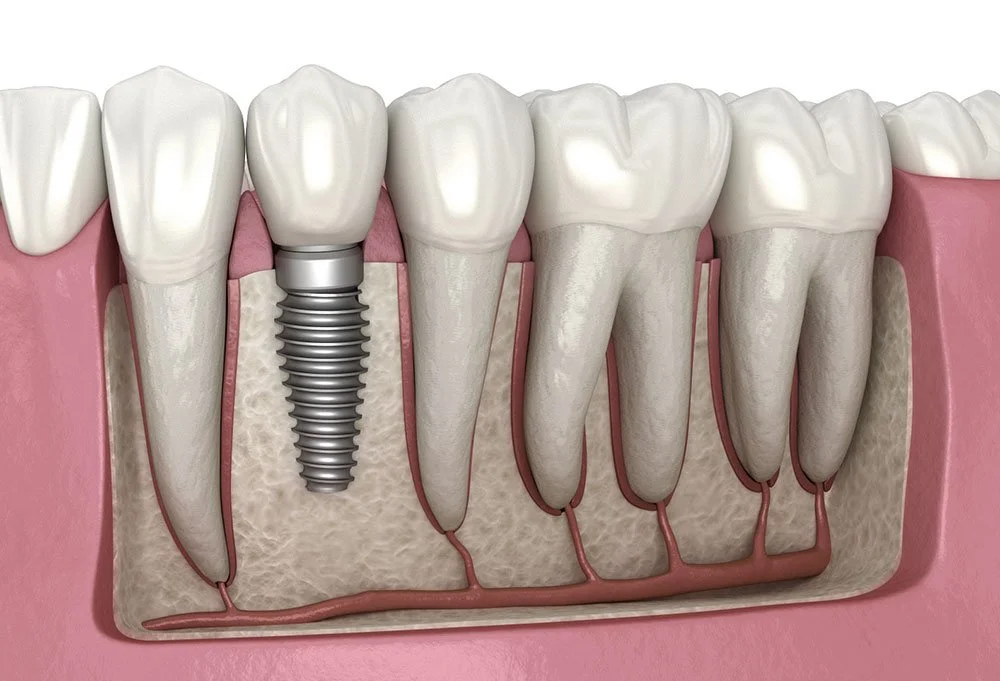
The implant itself acts as an artificial tooth root and is placed into the jawbone. A connector called an abutment is then used to attach the visible replacement tooth, usually a dental crown.
This structure is designed to provide stability while creating a replacement that looks and functions much like a natural tooth.
2. Dental Implants Can Look Remarkably Natural
One of the biggest concerns patients have is whether people will be able to tell they've had a tooth replaced.
Modern implant restorations can be carefully designed to match your surrounding teeth.
Your dentist can consider the shape, colour, size and position of your replacement tooth to create a natural-looking result.
The goal isn't simply to fill a gap.
It's to create a tooth that looks like it belongs there.
3. Dental Implants Can Help Restore Everyday Function
Missing teeth can make everyday activities surprisingly difficult.
You may find yourself avoiding certain foods or chewing predominantly on one side of your mouth.
A stable implant-supported tooth can help restore function once treatment has been completed and your dentist has confirmed that the restoration is ready for normal use.
For many patients, being able to eat and smile with greater confidence is one of the biggest benefits of treatment.
4. Your Jawbone Matters
Here's something many people don't realise about losing a tooth.
The jawbone surrounding a missing tooth can gradually change over time.
Because dental implants are positioned within the jawbone, they can provide stimulation to the surrounding bone.
However, the amount and condition of available bone are important considerations when planning implant treatment.
That's why your dentist may use dental imaging as part of your assessment.
5. Dental Implants Require Commitment
Dental implants aren't a “set and forget” solution.
Although they're designed for long-term use, they still need proper care.
That means:
Brushing your teeth regularly
Cleaning between your teeth
Looking after your gums
Attending regular dental check-ups
Following your dentist's recommendations
Avoiding habits that could damage your teeth or restoration
Good oral hygiene is particularly important for maintaining the health of the tissues around an implant.
6. Not Everyone Needs the Same Implant Treatment
Every smile is different.
Some patients may need a single dental implant to replace one missing tooth.
Others may require multiple implants or a full-arch solution such as All-on-4 or All-on-6 dental implants.
Your treatment may also depend on the condition of your remaining teeth, gums and jawbone.
This is why online research can only take you so far.
A personalised assessment is essential.
7. Dental Implants Are a Long-Term Decision
Perhaps the biggest thing to understand is that dental implants are intended as a long-term tooth replacement solution.
The implant can potentially remain functional for many years when properly cared for.
However, the visible crown or restoration may experience normal wear over time and could eventually require maintenance or replacement.
The key is to think beyond the initial treatment.
A successful implant journey involves ongoing dental care and good oral hygiene.
So, Are Dental Implants Worth It?
For many suitable patients, dental implants can offer an attractive combination of stability, function and aesthetics.
But “worth it” means something different to everyone.
If you're missing a tooth and want to understand whether an implant is appropriate for you, speak with a qualified dental professional.
Your dentist can assess your oral health, explain your options and help you make an informed decision.
Frequently Asked Questions About Dental Implants
Are dental implants a permanent solution?
Dental implants are designed for long-term use and can potentially last for many years. Their longevity depends on factors such as oral hygiene, gum health, lifestyle and regular dental care.
Do dental implants feel like real teeth?
Once treatment is complete and you have adapted to your restoration, an implant-supported tooth can feel and function naturally.
Are dental implants suitable for older adults?
Age alone doesn't necessarily determine whether someone is suitable for dental implants. Your dentist will consider your overall health, oral health, bone condition and individual circumstances.
Can you replace more than one missing tooth with implants?
Yes. Multiple dental implants can be used to support several replacement teeth or a full-arch restoration, depending on your needs.
What should I do if I'm considering dental implants?
Start with a dental consultation. Your dentist can assess your teeth, gums and jawbone and explain whether dental implants may be suitable for you.
Ready to Find Out If Dental Implants Are Right for You?
If a missing tooth is affecting your smile, confidence or everyday life, you don't have to guess which treatment is right for you.
A professional dental assessment can give you clarity about your options.
Speak with your dentist about dental implants and discover what may be possible for your smile.