If you're considering dental implants, one question is likely to be at the top of your mind:
“How long will my dental implant actually last?”
After all, replacing a missing tooth is a significant decision. You want to know that your new smile isn't simply a short-term fix.
The good news is that dental implants are designed to be a long-term solution for missing teeth. With the right care and regular dental check-ups, an implant can provide many years of reliable function.
But there's more to implant longevity than simply putting an implant into the jaw and forgetting about it.
Let's explore how long dental implants can last, what can affect their lifespan and how you can help protect your new smile.
So, How Long Do Dental Implants Last?
Dental implants are designed for long-term use and can potentially last for many years.
However, there isn't a single number that applies to every patient.
The lifespan of a dental implant can depend on factors including:
Oral hygiene
Gum health
Bone health
Smoking
Bite and grinding habits
General health
Regular dental care
The quality and maintenance of the restoration
It's also important to understand that a dental implant and the crown attached to it are not exactly the same thing.
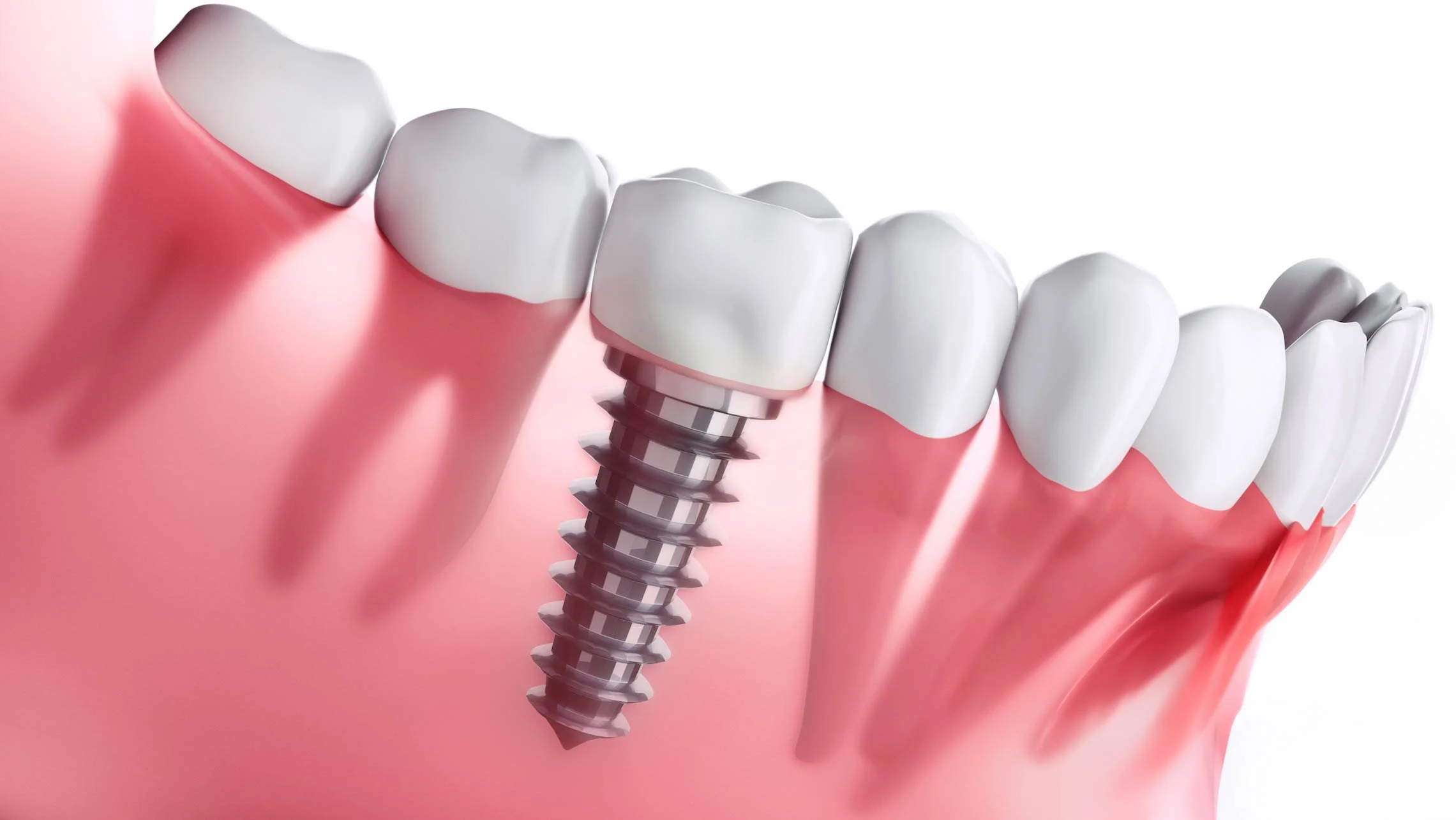
The implant acts as the artificial tooth root, while the crown is the visible replacement tooth. The crown may eventually require maintenance or replacement, even when the implant itself remains healthy.
What Makes Dental Implants Different?
Unlike a conventional dental bridge, a dental implant is placed into the jawbone and designed to act as an artificial tooth root.
This provides a foundation for a replacement tooth while helping maintain support in the area of the missing tooth.
This is one reason dental implants have become such a popular option for people looking for a long-term solution to tooth loss.
The Secret to Long-Lasting Dental Implants? Your Gums.
When people think about dental implants, they often focus on the implant itself.
But your gums are incredibly important.
The tissues surrounding an implant need to remain healthy. Poor oral hygiene can allow harmful bacteria and plaque to accumulate around the implant, potentially affecting the surrounding tissues.
This means that looking after your gums is just as important as looking after your replacement tooth.
Regular brushing, cleaning between your teeth and professional dental care can all play a role in maintaining good oral health.
Can Dental Implants Fail?
Like any dental treatment, implants aren't guaranteed to last forever.
Problems can occur, particularly when there are risk factors affecting the health of the implant or surrounding tissues.
Possible complications can include inflammation around the implant, infection, bone loss or problems with the restoration.
The good news is that regular dental appointments can help your dentist identify potential problems early.
If you notice bleeding, swelling, discomfort, looseness or changes around an implant, don't ignore them. Contact your dental team for an assessment.
Does Smoking Affect Dental Implants?
Smoking can have a significant impact on oral health and healing.
It can affect the gums and may increase the risk of complications following implant treatment.
If you're considering dental implants and smoke, speak openly with your dentist. They can explain how smoking may affect your treatment and discuss ways to support a healthier outcome.
What About Teeth Grinding?
Do you grind or clench your teeth?
If so, tell your dentist before undergoing implant treatment.
Excessive biting forces can place additional stress on teeth and dental restorations.
Your dentist can assess your bite and discuss whether measures such as a night guard may be appropriate for you.
How Do You Make Dental Implants Last Longer?
You don't need a complicated routine to care for dental implants.
The basics matter.
Brush Twice a Day
Use a suitable toothbrush and fluoride toothpaste as recommended by your dental professional.
Clean Between Your Teeth
Plaque can accumulate around areas that are difficult to reach with a toothbrush alone. Your dentist or hygienist can recommend suitable interdental cleaning methods.
Don't Skip Your Dental Check-Ups
Regular appointments allow your dental team to monitor your implant, gums and surrounding teeth.
Look After Your Whole Mouth
Your implant doesn't exist in isolation.
Healthy gums, healthy neighbouring teeth and good overall oral hygiene all contribute to a healthy mouth.
Can Dental Implants Last a Lifetime?
You may see dental implants described as a “lifetime solution”.
While implants are designed for long-term use and can potentially last for decades, it's important not to interpret this as a guarantee.
Every patient is different.
The best approach is to focus on maintaining excellent oral hygiene, attending regular dental appointments and following your dentist's recommendations.
What Happens If an Implant Crown Needs Replacing?
This is an important distinction.
The implant itself may remain healthy while the crown or other restoration eventually needs maintenance or replacement.
That's not necessarily a sign that the implant has failed.
Just as natural teeth can require dental treatment over time, implant restorations can also experience wear and tear.
Are Dental Implants Worth It?
For many patients, dental implants can provide a stable and natural-looking way to replace missing teeth.
They can help restore chewing function, improve the appearance of your smile and provide a long-term alternative to leaving a tooth gap untreated.
But whether they're right for you depends on your individual oral health, jawbone, gums and treatment goals.
A dental implant consultation is the best way to understand your options.
Frequently Asked Questions About Dental Implant Longevity
How long do dental implants usually last?
Dental implants are designed for long-term use and can potentially last many years. Their longevity depends on factors such as oral hygiene, gum health, lifestyle and regular dental care.
Do dental implants need to be replaced?
The implant itself may remain functional for many years. However, the crown or other restoration attached to it may eventually require repair, maintenance or replacement.
Can you get dental implants after losing a tooth years ago?
Potentially, yes. However, the jawbone can change following tooth loss. Your dentist will need to assess your bone and oral health before determining whether implant treatment is suitable.
How do I look after dental implants?
Care for your implants by maintaining good oral hygiene, cleaning between your teeth, attending regular dental appointments and following your dentist's personalised recommendations.
Are dental implants better than dentures?
Neither option is automatically better for everyone. Dental implants and dentures have different advantages and considerations. Your dentist can help you compare the options based on your individual circumstances.
Don't Let a Missing Tooth Become a Long-Term Problem
A missing tooth can change the way you eat, speak and smile—but replacing it doesn't have to mean settling for a short-term solution.
Dental implants are designed to provide a stable, long-term foundation for replacement teeth.
If you're considering dental implants, the first step is a professional assessment. Your dentist can examine your oral health, discuss your goals and help you understand whether implants are the right choice for your smile.