Losing a tooth can affect much more than your smile. Missing teeth can make eating more difficult, change the way you speak, and leave you feeling less confident about your appearance.
Fortunately, modern dentistry offers several ways to replace missing teeth—and dental implants have become one of the most popular long-term solutions.
But what exactly are dental implants, how do they work, and could they be right for you?
What Are Dental Implants?
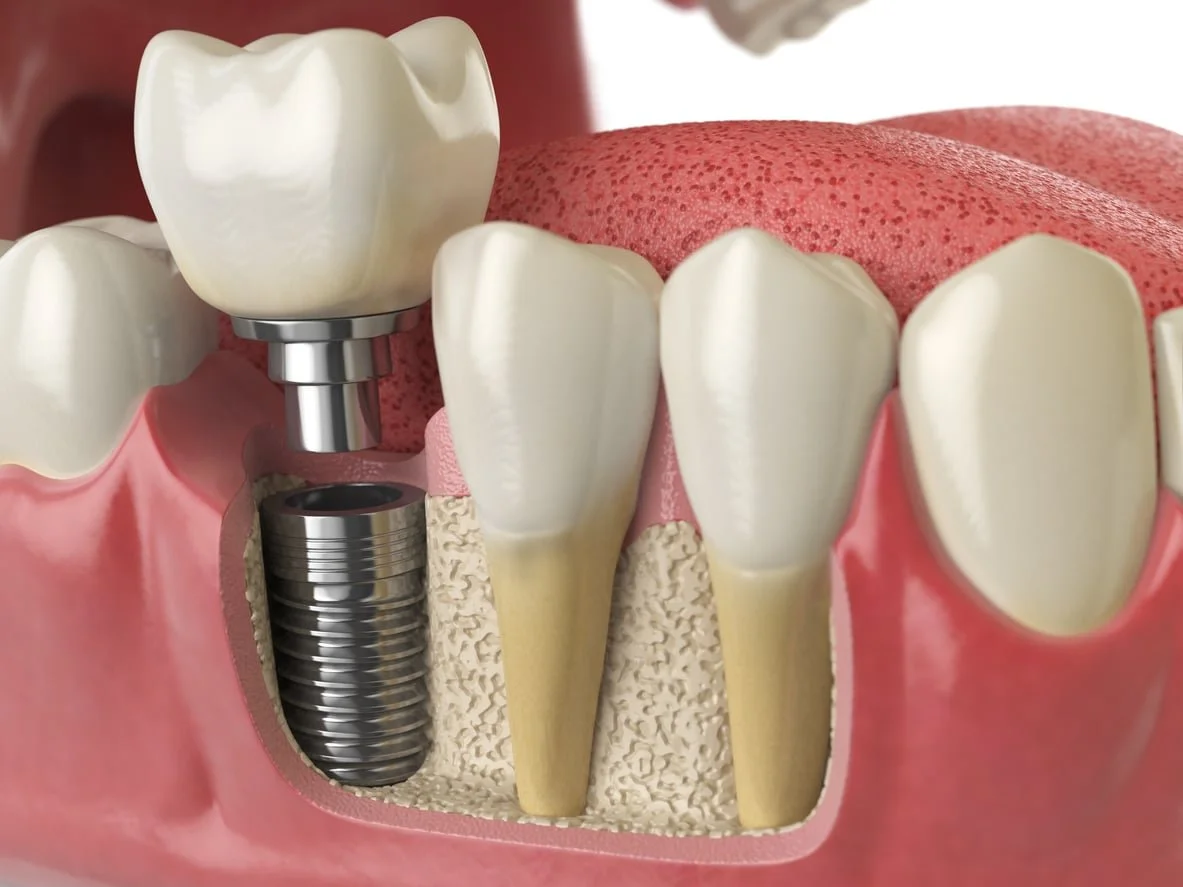
Dental implants are artificial tooth roots designed to support a replacement tooth.
Unlike some traditional tooth replacement options, dental implants are placed into the jawbone, where they can integrate with the surrounding bone. Once the implant has healed, it can support a dental crown, bridge or other restoration designed to look and function like a natural tooth.
A typical dental implant consists of three main components:
The implant: A small post that acts as an artificial tooth root.
The abutment: The connector that joins the implant to the replacement tooth.
The crown: The visible tooth-shaped restoration designed to restore your smile.
Together, these components provide a stable and natural-looking replacement for a missing tooth.
Why Choose Dental Implants?
One of the biggest advantages of dental implants is that they are designed to function much like natural teeth.
With appropriate care, implants can provide a strong and stable foundation for replacement teeth, allowing you to smile, speak and enjoy many of your favourite foods with confidence.
1. A Natural-Looking Smile
Modern dental crowns can be carefully designed to complement the colour, shape and appearance of your surrounding teeth.
The result can be a replacement tooth that blends naturally into your smile.
2. Improved Function
A missing tooth can affect how you bite and chew. Dental implants provide a secure foundation for a replacement tooth, helping restore everyday oral function.
3. Support for the Jawbone
When a natural tooth is lost, the area of jawbone that previously supported the tooth can gradually change.
Because dental implants are placed within the jawbone, they can provide stimulation to the surrounding bone, helping support the structure of the area.
4. No Need to Rely on Removable Dentures
For suitable patients, implant-supported teeth can offer an alternative to removable tooth replacement options.
An implant-supported restoration is designed to stay securely in place rather than being removed as part of your daily routine.
5. Designed for Long-Term Use
Dental implants are intended to be a long-term tooth replacement solution. Their longevity can depend on factors such as oral hygiene, general health, lifestyle habits and regular dental care.
How Does Dental Implant Treatment Work?
If you're considering dental implants, you may be wondering what the treatment process actually involves.
While every patient's treatment plan is different, dental implant treatment generally involves several stages.
Step 1: Your Dental Implant Consultation
Treatment begins with a comprehensive assessment.
Your dentist will examine your teeth, gums and jaw and discuss your dental and medical history. Dental imaging may also be used to assess the available bone and determine the most appropriate treatment approach.
This stage is important because dental implants aren't a one-size-fits-all treatment.
Step 2: Treatment Planning
Once your dentist has assessed your oral health, they can develop an individualised treatment plan.
The plan may take into consideration the location of the missing tooth, the condition of the surrounding teeth and gums, and the amount of available bone.
In some situations, additional procedures may be recommended before an implant can be placed.
Step 3: Implant Placement
The dental implant is carefully positioned within the jawbone.
The area is treated with appropriate anaesthesia, and your dentist will provide detailed instructions about what to expect during the healing period.
Step 4: Healing and Integration
After placement, the implant needs time to heal and integrate with the surrounding bone.
This process is known as osseointegration.
The length of the healing period varies between patients and depends on factors including the treatment site and individual healing response.
Step 5: Attaching the Replacement Tooth
Once the implant has successfully healed, the next stage is attaching the abutment and replacement tooth.
Your dental team will ensure the restoration fits comfortably and complements your existing smile.
Are Dental Implants Painful?
This is one of the most common questions patients ask.
Dental implant placement is performed using appropriate anaesthesia, so you should not feel the procedure itself in the way you might imagine.
Some tenderness, swelling or discomfort can occur after treatment as the area heals. Your dental team will provide aftercare instructions to help you manage the recovery period.
If you're feeling nervous about dental treatment, let your dentist know. Discussing your concerns beforehand can help your dental team tailor your care and make the experience more comfortable.
Who Can Have Dental Implants?
Dental implants may be suitable for many adults who have lost one or more teeth.
However, suitability depends on several factors, including:
The health of your gums
The condition and volume of your jawbone
Your overall health
Your oral hygiene
Smoking and other lifestyle factors
The condition of nearby teeth
Some patients may require additional treatment before receiving an implant.
That's why a professional assessment is essential. A dentist can evaluate your individual circumstances and determine whether implants are an appropriate option.
How Long Do Dental Implants Last?
Dental implants are designed to be a long-term solution, but they still require care.
Good oral hygiene, regular dental check-ups and professional cleaning can help protect the health of your gums and the tissues surrounding the implant.
It's also important to remember that while the implant itself is designed for long-term use, the visible crown may eventually require maintenance or replacement.
Think of your dental implant as an investment in your oral health—not something that means you never need to visit the dentist again.
How Do You Look After Dental Implants?
Looking after dental implants is similar in many ways to looking after natural teeth.
Your daily routine should include:
Brushing your teeth thoroughly
Cleaning between your teeth and around the implant
Following your dentist's personalised oral hygiene recommendations
Attending regular dental examinations
Having professional cleans when recommended
Avoiding habits that could damage your teeth or restorations
The health of the gums surrounding an implant is particularly important.
Dental Implants vs Other Tooth Replacement Options
Dental implants aren't the only way to replace missing teeth.
Depending on your circumstances, your dentist may discuss alternatives such as dental bridges or dentures.
The best option depends on factors such as the number of missing teeth, the health of your remaining teeth, your gums, your jawbone and your personal preferences.
Rather than choosing a treatment based solely on appearance, it's important to consider how each option will affect your oral health and everyday life.
Why Replacing a Missing Tooth Matters
It can be tempting to ignore a missing tooth, particularly if it's not visible when you smile.
However, a missing tooth can affect more than aesthetics.
Over time, tooth loss can influence the way your remaining teeth meet and function. It can also contribute to changes in the surrounding bone and may affect your ability to chew comfortably.
Replacing a missing tooth can therefore be about much more than creating a complete smile.
What Should You Ask Your Dentist About Dental Implants?
If you're considering dental implants, don't be afraid to ask questions.
You may want to discuss:
Am I a suitable candidate for dental implants?
What will my treatment involve?
How long will the overall process take?
Will I need any additional procedures?
What type of restoration would be suitable for me?
How should I care for my implant after treatment?
A good consultation should give you a clear understanding of your options and allow you to make an informed decision about your dental care.
Frequently Asked Questions About Dental Implants
Can one missing tooth be replaced with a dental implant?
Yes. A single dental implant can be used to support an individual replacement tooth in suitable patients.
Can dental implants replace several missing teeth?
Potentially. Depending on the situation, multiple implants may be used to support several replacement teeth or an implant-supported restoration.
Do dental implants look like natural teeth?
Modern implant restorations can be carefully designed to resemble natural teeth in shape, colour and proportion.
Can I eat normally with dental implants?
Once treatment has been completed and your dentist has confirmed that your restoration is ready for normal function, dental implants can allow you to eat many of the foods you enjoyed before losing your tooth.
How do I know if dental implants are right for me?
The best way to find out is to have an assessment with a dentist experienced in implant treatment. They can evaluate your oral health, discuss your goals and explain the available options.
Ready to Explore Your Options for Dental Implants?
A missing tooth doesn't have to mean living with a gap forever.
Dental implants can provide a stable, natural-looking and long-term option for replacing missing teeth, but the right treatment depends on your individual oral health and circumstances.
If you're considering dental implants, book a consultation with your dentist to discuss your options and find out whether implant treatment could be suitable for your smile.