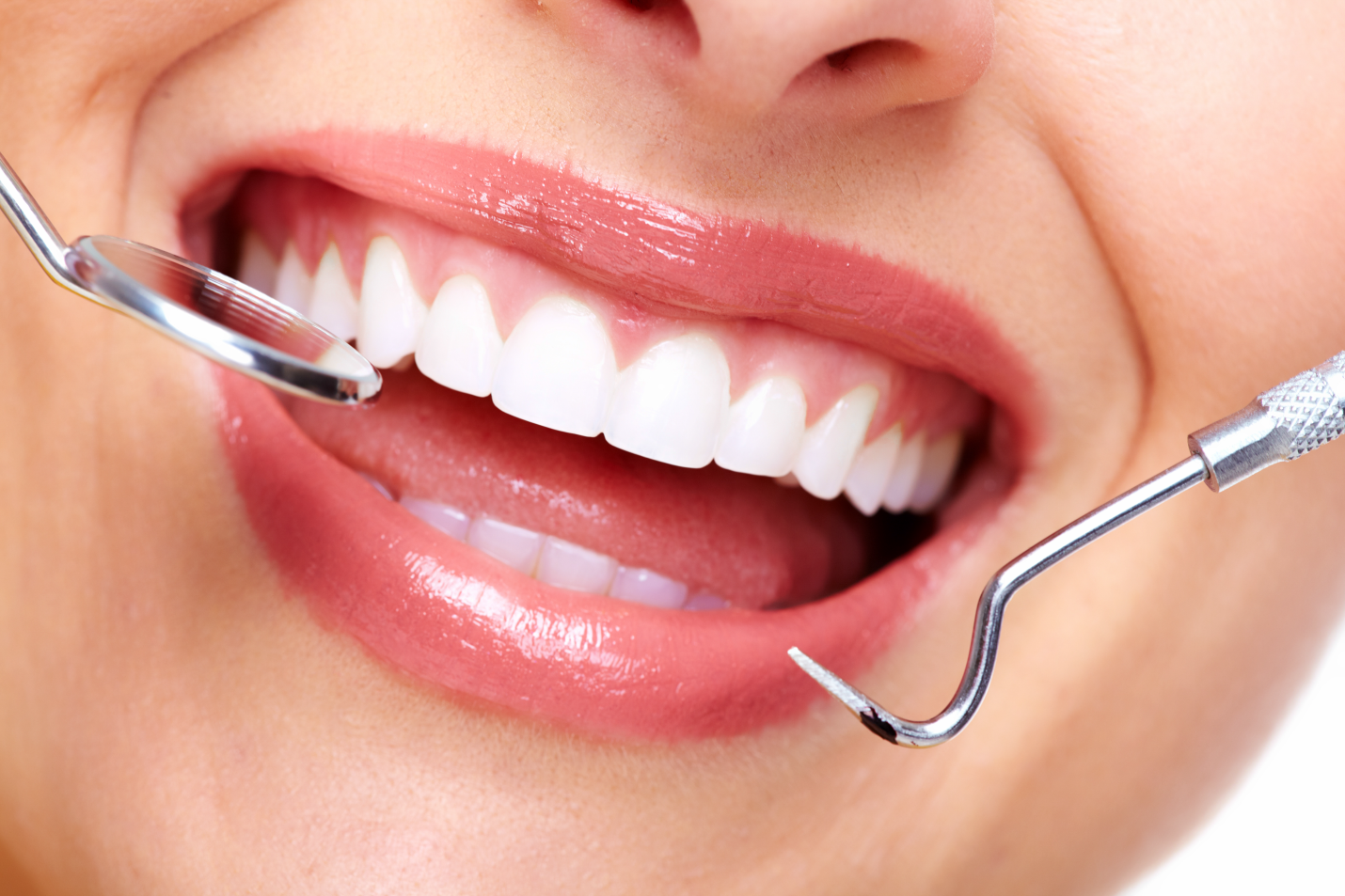
Your smile is often one of the first things people notice about you. But if you're unhappy with the appearance of your teeth, you may find yourself smiling less, avoiding photographs, or feeling self-conscious in social situations.
That's where cosmetic dentistry can help.
Modern cosmetic dental treatments can address concerns such as stained teeth, chips, gaps, uneven edges, and certain alignment issues. The goal isn't necessarily to create a perfectly uniform smile—it is to create a smile that looks healthy, natural, and suits your individual features.
Here are seven popular ways cosmetic dentistry can transform your smile.
1. Professional Teeth Whitening
Teeth whitening is one of the most popular cosmetic dental treatments.
Over time, teeth can become darker or stained due to coffee, tea, red wine, smoking, ageing, and certain foods and drinks.
Professional whitening can help lighten the appearance of natural teeth and create a brighter smile.
A dental professional can assess your teeth first to determine whether whitening is appropriate and discuss the treatment options available.
It's also important to remember that whitening does not change the colour of existing crowns, veneers, fillings, or other restorations.
2. Dental Veneers
Dental veneers are thin restorations designed to improve the appearance of the front surfaces of teeth.
Depending on the type of veneer and your individual situation, veneers can be used to address concerns such as:
Discolouration
Small chips
Uneven tooth shape
Minor spacing concerns
Worn or irregular edges
Veneers can be designed to complement your facial features, tooth proportions, and overall smile.
A good cosmetic result should look natural rather than obviously artificial.
3. Composite Dental Bonding
Want to improve a chipped or uneven tooth without extensive treatment?
Composite bonding may be an option for suitable patients.
During bonding, tooth-coloured composite material is carefully applied and shaped to improve the appearance of the tooth.
It can be useful for certain small chips, changes in tooth shape, minor gaps, and other cosmetic concerns.
One of its advantages is that it can often be completed relatively quickly. However, composite can be more susceptible to staining and wear than some other restorative materials, so your dentist will help determine whether it is appropriate for your needs.
4. Clear Aligners
Sometimes the best way to improve your smile isn't simply changing the colour or shape of your teeth—it is improving their alignment.
Clear aligners can gradually move teeth into a more desirable position for suitable patients.
They are removable and designed to be less noticeable than traditional braces, making them a popular choice among adults seeking orthodontic treatment.
Although often associated with cosmetic improvements, orthodontic treatment can also contribute to better oral hygiene and bite function in appropriate cases.
Your dentist or orthodontist will need to assess your teeth and bite to determine whether clear aligners are suitable.
5. Dental Crowns for Damaged Teeth
Dental crowns aren't purely cosmetic treatments, but they can play an important role in improving the appearance of teeth that have been significantly damaged.
A crown can help restore a tooth that has been weakened by decay, a large filling, trauma, or other structural problems.
Modern crowns can be made to closely resemble natural teeth, helping restore both appearance and function.
The priority should always be protecting and restoring the health of the tooth—not simply improving its appearance.
6. A Smile Makeover
Sometimes one cosmetic treatment isn't enough to achieve the result you're looking for.
A smile makeover combines different dental treatments to address multiple concerns at once.
For example, a personalised treatment plan might involve a combination of:
Teeth whitening
Veneers
Composite bonding
Orthodontic treatment
Restorative dentistry
The exact combination depends entirely on your teeth, gums, bite, facial features, and goals.
A comprehensive assessment allows your dentist to develop a treatment plan rather than simply choosing individual procedures.
7. Cosmetic Dentistry Can Create a More Natural-Looking Smile
One of the biggest developments in modern cosmetic dentistry is the focus on natural-looking results.
Cosmetic dentistry isn't necessarily about making every tooth extremely white or perfectly identical.
Small differences in tooth shape, translucency, texture, and colour can actually make a smile look more natural.
A skilled cosmetic dentist considers factors such as:
Facial proportions
Tooth size and shape
Gum appearance
Skin tone
Existing tooth colour
Smile line
Bite and function
The goal is to create harmony between your teeth and the rest of your face.
Is Cosmetic Dentistry Right for You?
Cosmetic dentistry can be suitable for people who are unhappy with particular aspects of their smile, but the first step should always be a dental assessment.
Before recommending treatment, your dentist may need to evaluate your teeth and gums for issues such as decay, gum disease, worn enamel, or other underlying problems.
Healthy teeth and gums provide a much better foundation for cosmetic treatment.
Your dentist can then explain which options may be suitable and what kind of result can realistically be achieved.
Cosmetic Dentistry Isn't Just About Appearance
Although cosmetic dentistry focuses on the appearance of your smile, some treatments can provide functional benefits too.
For example, orthodontic treatment can improve certain bite and alignment issues, while crowns can restore damaged teeth.
The distinction between cosmetic dentistry and restorative dentistry can sometimes be less clear than people expect. Many treatments can improve both the appearance and function of a tooth.
How Do You Choose the Right Cosmetic Dental Treatment?
There isn't one cosmetic treatment that is best for everyone.
The right option depends on what you want to change and the current condition of your teeth.
Someone with surface staining may only need professional whitening. Someone with chipped teeth may benefit from bonding, while another patient may need orthodontic or restorative treatment before considering veneers.
Rather than choosing a treatment based solely on photographs or social media trends, speak with a qualified dental professional who can assess your smile and explain your options.
How Long Do Cosmetic Dental Treatments Last?
The lifespan of cosmetic dental work varies considerably.
It depends on the treatment, your oral hygiene, eating habits, bite, lifestyle, and how well you maintain your teeth.
Good oral hygiene, regular dental check-ups, and avoiding habits that can damage teeth—such as biting hard objects—can help protect your results.
Your dentist can provide treatment-specific advice based on your individual situation.
The Bottom Line
Cosmetic dentistry is about more than creating a brighter smile.
Whether you're concerned about staining, chipped teeth, gaps, uneven teeth, or alignment, modern dental treatments offer a range of options to improve your smile.
The best cosmetic results are personalised. Instead of chasing a particular “perfect” smile, your dentist can help you find an approach that complements your natural appearance while keeping your oral health at the centre of treatment.
If you're considering cosmetic dentistry, start with a consultation. Understanding your options is the first step toward deciding whether treatment is right for you.
Frequently Asked Questions
What is cosmetic dentistry?
Cosmetic dentistry refers to dental treatments designed primarily to improve the appearance of the teeth and smile. Some treatments can also provide restorative or functional benefits.
What is the most popular cosmetic dental treatment?
Teeth whitening is one of the most commonly requested cosmetic dental treatments. However, the best treatment depends on the specific concerns you want to address.
Can cosmetic dentistry fix chipped teeth?
Yes. Depending on the size and location of the chip, options may include composite bonding, veneers, crowns, or other restorative treatments.
Can cosmetic dentistry fix gaps between teeth?
Some gaps may be treated with composite bonding, veneers, orthodontic treatment, or clear aligners. The appropriate option depends on the size and cause of the gap.
Is cosmetic dentistry suitable for everyone?
Not every treatment is suitable for every patient. Your dentist will assess your oral health, teeth, gums, bite, and cosmetic goals before recommending treatment.
How do I get a natural-looking cosmetic smile?
A natural-looking result depends on factors such as tooth shape, colour, proportions, translucency, gum appearance, and facial features. A personalised treatment plan can help ensure your smile complements your overall appearance.