Your gums can tell you a lot about your oral health.
If they bleed when you brush, look red or swollen, or seem to be pulling away from your teeth, it may be tempting to dismiss these signs as minor irritation. But healthy gums shouldn't regularly bleed or feel painful.
These can be early warning signs of gum disease, one of the most common dental conditions.
The good news? Gum disease is often manageable when identified early. The key is knowing what to look for.
What Is Gum Disease?
Gum disease is an infection or inflammation affecting the tissues that support your teeth.
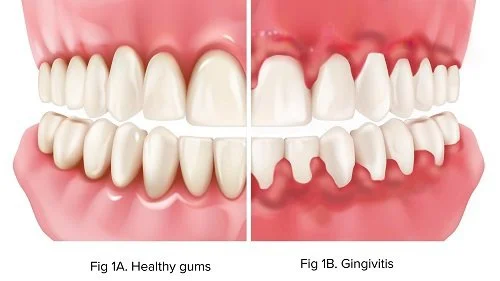
It often begins with gingivitis, which can cause red, swollen, or bleeding gums. Without appropriate treatment, gum disease can progress to periodontitis, a more advanced form that can damage the bone and tissues supporting the teeth.
Because gum disease can develop gradually, many people don't realise they have a problem until it becomes more advanced.
7 Warning Signs of Gum Disease
1. Your Gums Bleed When You Brush or Floss
Seeing blood when brushing or flossing is one of the most common signs of gum inflammation.
Healthy gums generally shouldn't bleed regularly during normal oral hygiene.
Bleeding may occur because plaque and bacteria have accumulated around the gumline, irritating the tissues.
Don't stop brushing because your gums bleed. Instead, speak with your dentist about what's causing the bleeding and how to improve your oral hygiene routine.
2. Your Gums Look Red or Swollen
Healthy gums are generally firm and can appear pink, although normal gum colour varies between individuals.
Red, puffy, tender, or swollen gums can indicate inflammation.
If the swelling continues despite regular brushing and flossing, it's worth arranging a dental examination.
3. You Have Persistent Bad Breath
Bad breath isn't always caused by something you ate.
Persistent unpleasant breath or a bad taste in your mouth can sometimes be associated with bacteria and gum disease.
If your bad breath continues despite brushing your teeth, cleaning your tongue, and maintaining good oral hygiene, your dentist can help identify the underlying cause.
4. Your Gums Are Receding
Do your teeth look longer than they used to?
This may happen when gum tissue recedes and exposes more of the tooth.
Gum recession can have several causes, including gum disease and aggressive brushing. It can also make teeth appear longer and sometimes contribute to sensitivity.
Because recession can expose vulnerable areas of the tooth, it should be assessed by a dental professional.
5. Your Teeth Feel Loose or Are Changing Position
Adult teeth shouldn't normally become loose.
Loose teeth or noticeable changes in the position of your teeth can be a sign that the supporting tissues and bone have been affected.
Advanced periodontal disease can damage the structures that hold teeth in place.
If you notice a tooth becoming loose, don't wait for it to fall out. Arrange a dental assessment as soon as possible.
6. Your Gums Are Pulling Away From Your Teeth
Healthy gum tissue should sit closely around the teeth.
If you notice spaces developing between your gums and teeth, or food regularly becoming trapped around the gumline, this may indicate periodontal changes.
A dentist can measure the areas around your teeth and determine whether gum disease is present and how advanced it may be.
7. You Have Pain or Tenderness Around Your Gums
Gum disease isn't always painful, which is one reason it can go unnoticed.
However, some people experience tenderness, discomfort, swelling, or sensitivity around affected areas.
If gum discomfort persists or is accompanied by swelling, bleeding, bad breath, or loose teeth, professional assessment is recommended.
Gingivitis vs Periodontitis: What's the Difference?
Gingivitis is an early form of gum disease involving inflammation of the gums.
At this stage, the condition may cause bleeding, redness, and swelling. With appropriate care and professional treatment, gingivitis can often be managed before it progresses.
Periodontitis is more advanced. It can affect the tissues and bone supporting the teeth and may eventually contribute to tooth loss.
This is why recognising early signs of gum disease matters.
What Causes Gum Disease?
Gum disease is commonly associated with plaque—a sticky layer of bacteria that forms on teeth.
When plaque isn't adequately removed, it can irritate the gums.
Other factors can also influence gum health, including smoking, certain medical conditions, medications, genetics, oral hygiene habits, and hormonal changes.
Your dentist can help identify the factors that may be affecting your gums.
Can Gum Disease Be Treated?
Yes. Treatment depends on the type and severity of gum disease.
Early gum inflammation may improve with professional dental cleaning and better daily oral hygiene.
More advanced periodontal disease may require more comprehensive periodontal treatment and ongoing maintenance.
Your dentist may recommend regular monitoring to help control the condition and protect the tissues supporting your teeth.
Can Gum Disease Cause Tooth Loss?
Unfortunately, advanced gum disease can contribute to tooth loss.
This can happen when the tissues and bone supporting a tooth become significantly damaged.
The good news is that recognising and treating gum disease early can help protect your natural teeth.
If you notice bleeding gums or other changes, don't wait until a tooth becomes loose before seeking advice.
How Can You Prevent Gum Disease?
Good daily oral hygiene is one of the most important ways to protect your gums.
Try to:
Brush your teeth twice a day with fluoride toothpaste.
Clean between your teeth regularly.
Attend routine dental check-ups.
Have professional dental cleans when recommended.
Avoid smoking.
Pay attention to changes in your gums.
Small daily habits can make a significant difference to your long-term oral health.
When Should You See a Dentist?
You should arrange a dental examination if you regularly experience:
Bleeding gums
Persistent bad breath
Swollen or painful gums
Gum recession
Loose teeth
Changes in your bite
Persistent gum tenderness
Gum disease can develop quietly, so waiting for severe symptoms isn't always the best approach.
The Bottom Line
Bleeding gums aren't something you should simply accept as normal.
Whether you're noticing occasional bleeding or more significant changes such as gum recession or loose teeth, an examination can help identify what's happening.
The earlier gum disease is detected, the sooner you can take steps to protect your gums, teeth, and overall oral health.
Frequently Asked Questions
Is bleeding while brushing a sign of gum disease?
It can be. Bleeding gums are commonly associated with gum inflammation, although there can be other causes. Regular bleeding should be assessed by a dentist.
Can gum disease go away on its own?
Mild gum inflammation may improve with better oral hygiene and professional dental care, but persistent symptoms should be assessed rather than ignored.
Is gum disease painful?
Not always. Gum disease can develop with few noticeable symptoms, particularly in its early stages.
Can gum disease cause bad breath?
Yes. Persistent bad breath or a bad taste can sometimes be associated with gum disease and the bacteria involved.
Can gum disease cause loose teeth?
Advanced gum disease can damage the tissues and bone supporting teeth, which may eventually contribute to tooth mobility or tooth loss.
How often should I have my gums checked?
The appropriate frequency depends on your individual oral health and risk factors. Your dentist can recommend a check-up and maintenance schedule based on your needs.