
A toothache can be easy to ignore—especially when the pain comes and goes. You might take a painkiller, avoid chewing on one side, and hope the problem settles down.
But what if the pain is your tooth’s way of telling you that something deeper is wrong?
When the soft tissue inside a tooth, known as the dental pulp, becomes inflamed or infected, root canal treatment may be needed to save the tooth. The tricky part is that symptoms can vary. Some people experience intense pain, while others have surprisingly few symptoms.
So, how do you know when a tooth may need a root canal?
Here are 7 warning signs you shouldn’t ignore.
1. Your Tooth Hurts When You Bite or Chew
Pain when biting down can be a sign that something is happening inside or around the tooth.
You may notice a sharp pain when eating, or a dull ache that lingers after you release your bite. This can have several causes, including tooth decay, a crack, inflammation of the dental pulp, or an infection.
It doesn't automatically mean you need root canal treatment—but persistent pain when chewing deserves a dental examination.
2. Hot or Cold Sensitivity That Lingers
Almost everyone experiences occasional sensitivity to cold foods or drinks.
What matters is how long the discomfort lasts.
If your tooth reacts strongly to hot or cold and the pain disappears almost immediately, sensitivity may have a relatively simple cause. But if the pain lingers for several seconds or longer after the temperature stimulus is gone, it can indicate inflammation or damage to the pulp.
A dentist can assess whether the pulp is still healthy or whether further treatment may be necessary.
3. You Have a Persistent or Throbbing Toothache
A toothache that refuses to go away is one of the most obvious warning signs.
Pain may be:
Constant or intermittent
Sharp or throbbing
Worse at night
Triggered by eating
Felt in the tooth, jaw, or surrounding area
As dental infections progress, pain can sometimes become more difficult to localise. You might even feel discomfort in nearby teeth.
Don't rely on pain medication to mask the problem. Pain relief may make you more comfortable temporarily, but it doesn't treat the underlying cause.
4. Your Gum Is Swollen or Has a Small “Pimple”
Have you noticed a small bump on your gum near a troublesome tooth?
It could be a dental abscess or draining sinus, which can occur when bacteria infect the tissues surrounding the tooth.
Other possible signs of infection include:
Swelling around the tooth
Tender gums
Pus or a bad taste in your mouth
Facial swelling
Fever or feeling unwell
A dental infection should be assessed promptly. If swelling is spreading into your face or neck, or you are having difficulty breathing or swallowing, seek urgent medical care.
5. The Tooth Has Become Darker
A tooth that suddenly becomes grey, brown, or darker than the teeth around it should be checked by a dentist.
Discolouration can have several causes, including previous trauma to the tooth. In some cases, it can indicate that the pulp inside the tooth has been damaged or has died.
Interestingly, a tooth with a damaged or dead pulp may not always be painful.
That means the absence of pain doesn't necessarily mean everything is fine.
6. You Have Pain That Comes and Goes
Intermittent tooth pain can be particularly easy to dismiss.
You may have discomfort for a few days, feel better, and assume the problem has resolved.
Unfortunately, dental problems don't always work that way.
Decay or damage to a tooth can progress beneath the surface. In some situations, the pulp may become severely damaged and eventually lose its ability to respond normally. The pain may decrease, but the underlying infection can remain.
If you've had repeated episodes of unexplained tooth pain, it's worth finding out what's causing it rather than waiting for the next flare-up.
7. Your Tooth Has Been Damaged by Decay, Trauma, or a Crack
Not every root canal begins with a dramatic toothache.
Deep decay, a significant crack, or an injury can damage the pulp even before obvious symptoms appear.
For example, a tooth that has been hit during sport, an accident, or a fall may develop pulp damage later—even if it initially seemed fine.
Similarly, a cavity that reaches deep into the tooth can eventually affect the pulp.
Regular dental examinations can help identify these problems before they become more serious.
So, Do You Really Need a Root Canal?
These symptoms can suggest that the pulp of a tooth is inflamed, infected, or damaged, but symptoms alone cannot confirm that you need root canal treatment.
A dentist will usually assess your symptoms, examine the tooth, perform appropriate tests, and take dental X-rays when necessary. The goal is to determine what's causing the problem and whether the tooth can be saved.
In some cases, a filling or other restorative treatment may be enough. In others, root canal treatment may be the best way to remove infected or damaged pulp and preserve the natural tooth.
What Happens During Root Canal Treatment?
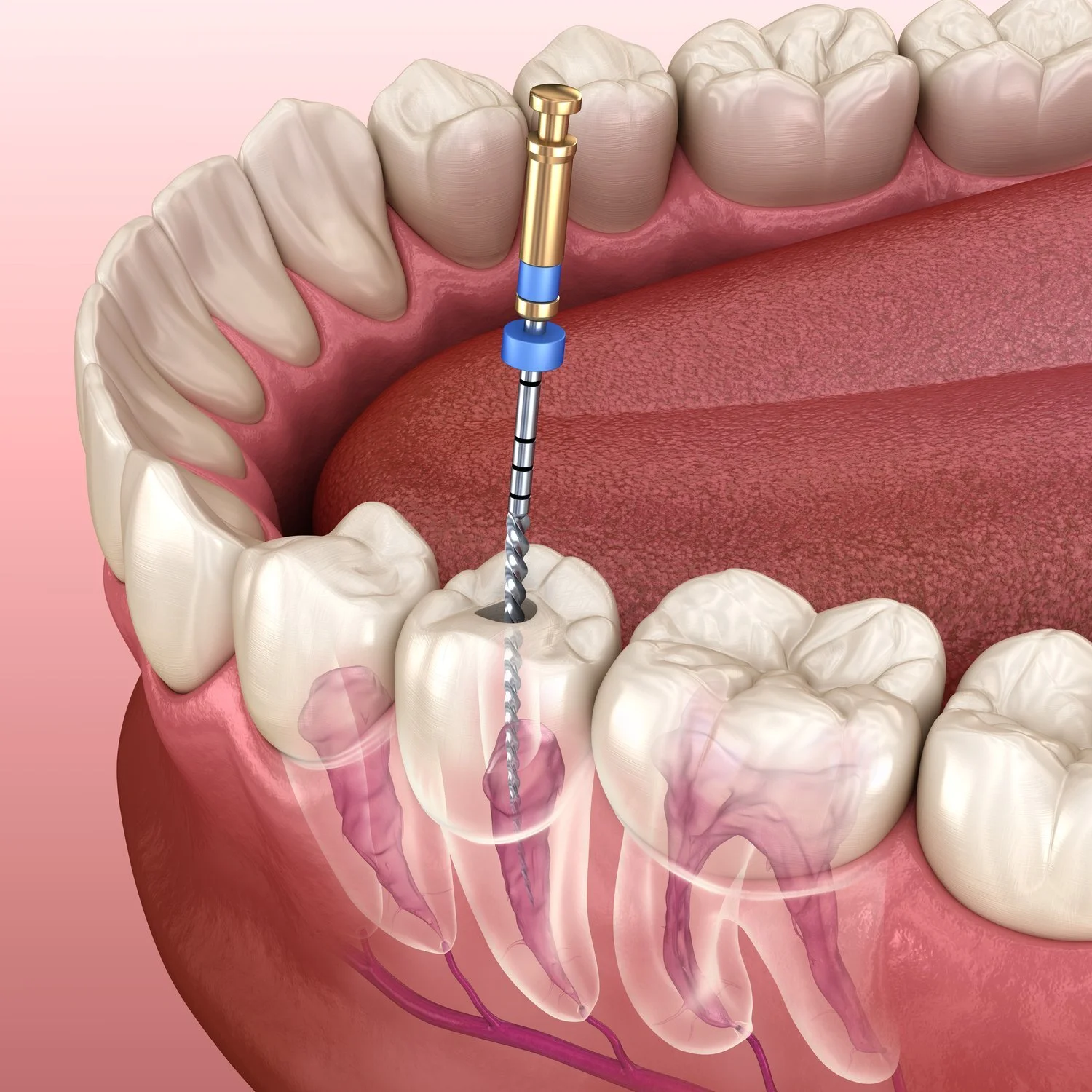
The phrase “root canal” can sound intimidating, but the purpose of treatment is straightforward: remove the damaged or infected tissue from inside the tooth, clean and disinfect the space, and seal it to help prevent further infection.
Your dentist or endodontist will use local anaesthetic to numb the area. An opening is then made in the tooth so the affected pulp can be removed. The root canals are cleaned, shaped, and filled before the tooth is sealed.
Depending on the condition of the tooth, it may also need a crown or another restoration to help protect it from further damage.
Is Root Canal Treatment Painful?
This is one of the biggest concerns patients have.
Modern root canal treatment is performed with local anaesthetic, so the procedure itself should not be painful for most patients.
You may experience some tenderness or sensitivity afterwards, particularly if the tooth was already infected or inflamed. This usually settles as the surrounding tissues recover.
In fact, for someone suffering from a severe toothache caused by an inflamed or infected pulp, treatment can provide significant relief from the original pain.
Root Canal Treatment vs Tooth Extraction
If a tooth is badly infected or damaged, you may wonder whether extracting it is easier.
Extraction removes the problem tooth—but it also leaves a gap that may need to be replaced with an implant, bridge, or other dental restoration.
When a tooth can be predictably saved, root canal treatment allows you to keep your natural tooth.
Your dentist can explain whether saving the tooth is a realistic option based on factors such as the amount of remaining tooth structure, the extent of infection or damage, and the overall condition of the tooth.
Don't Wait for the Pain to Become Severe
One of the biggest misconceptions about dental infections is that a serious problem must always cause severe pain.
That's not necessarily the case.
A tooth can have significant damage or infection with relatively mild symptoms—or even no obvious pain.
If you've noticed persistent sensitivity, pain when biting, swelling, unexplained tooth discolouration, or repeated episodes of toothache, book an examination rather than waiting for the problem to worsen.
The earlier the cause is identified, the more options your dentist may have to protect your natural tooth.
Frequently Asked Questions
How do I know if I need a root canal?
Common warning signs include lingering sensitivity to hot or cold, persistent toothache, pain when biting, swelling around the tooth, gum tenderness, tooth discolouration, or a history of significant decay or trauma. Only a dental examination can determine whether root canal treatment is appropriate.
Can a tooth need a root canal without hurting?
Yes. A tooth with damaged or dead pulp may sometimes cause little or no pain. This is why unexplained tooth discolouration, swelling, or other changes should still be assessed.
Is it better to have a root canal or extraction?
If a tooth can be successfully restored, preserving the natural tooth with root canal treatment may be preferable to extraction. Your dentist can assess the tooth and discuss the most appropriate option for you.
How long does root canal treatment take?
Treatment time varies depending on the tooth, the complexity of its root canals, and the extent of infection or damage. Some cases can be completed in one appointment, while others may require more than one visit.
What happens if I don't get a root canal?
If the pulp is infected and treatment is delayed, the infection can potentially spread to the tissues around the tooth. The tooth may eventually require extraction if it can no longer be predictably restored.
If you're experiencing persistent tooth pain, swelling, or sensitivity, don't wait for it to become an emergency. A dental examination can help determine what's causing the problem and whether your natural tooth can be saved.