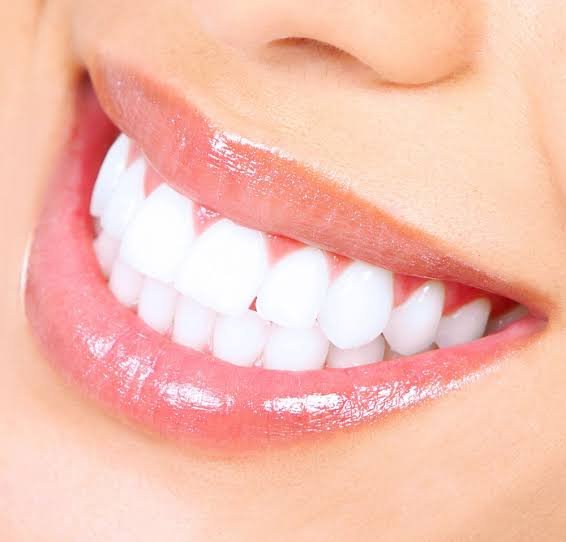
Let us start with a question: when was the last time you looked in the mirror and genuinely loved your smile?
For many people, the answer is "not lately." Maybe your teeth have yellowed over time. Perhaps a small chip has always bothered you. Or maybe you just feel like your smile does not quite reflect who you are.
Here is the good news: cosmetic dentistry is no longer reserved for celebrities or the wealthy. It has become more accessible, more varied, and more natural-looking than ever before. And the trends are shifting away from the obvious "Hollywood" look toward something far more appealing—a smile that looks like you, just better .
This guide will walk you through the most popular cosmetic treatments, what they cost, what to expect, and how to decide which option is right for you.
The Shift: Why Natural Is the New "Perfect"
There is a significant shift happening in cosmetic dentistry. The era of the blindingly white, perfectly uniform "Hollywood smile" is giving way to something more sophisticated .
Patients are now seeking aesthetic outcomes that complement their individual facial features rather than draw attention to the dental work itself. This "quiet luxury" approach is reflected in growing demand for minimally invasive treatments that preserve natural tooth structure .
This change is being driven in part by younger generations. Gen Z is reshaping the cosmetic dentistry market by viewing aesthetic treatments as part of self-care rather than a luxury. They are seeking subtle improvements—a slightly better version of their original smile, not an entirely new mouth .
What does this mean for you? It means you can achieve a beautiful, confident smile without looking like you have had "work done."
Your Cosmetic Dentistry Options
Here is a breakdown of the most common treatments, from least to most invasive.
1. Teeth Whitening
Teeth whitening is the simplest and most popular cosmetic treatment. It is designed to lighten the natural colour of teeth and reduce stains caused by food, drinks, ageing, or smoking .
What it fixes: Yellowing, dullness, surface stains.
How it works: Professional whitening uses peroxide-based agents that break down stain molecules within the enamel. In-clinic whitening delivers faster results, while take-home kits with custom trays allow for gradual whitening over several days or weeks .
What it costs: Professional whitening typically ranges from approximately $500 to $1,500 for in-chair treatment, while dentist-supervised take-home kits cost around $350 to $700 .
What to know: Results can last from several months to a few years, depending on lifestyle habits and oral hygiene. Coffee, tea, red wine, and smoking can cause fading more quickly .
Newer options: Some practices now offer PAP+ whitening, a peroxide-free alternative that whitens without the sensitivity often associated with traditional methods. PAP breaks down stain molecules without releasing harmful free radicals, and it does not dehydrate the teeth post-treatment .
2. Dental Bonding
Bonding is a quick, non-invasive treatment that uses a tooth-coloured composite resin to repair minor imperfections. It is one of the most affordable cosmetic options and is considered minimally invasive because it requires little to no enamel removal .
What it fixes: Small chips, cracks, minor discolouration, gaps between teeth, and uneven tooth shape or length .
How it works: Your dentist applies the resin directly to your tooth, shapes it, and hardens it with a special light. It is usually completed in a single appointment .
What it costs: Bonding is the more affordable option. In Australia, you can expect to pay around $850 per tooth for bonded veneers or composite bonding, though prices vary .
Lifespan: Bonding typically lasts around 5 to 7 years before needing repair or replacement. The composite material can become dull and absorb stains over time, and margin discolouration can develop where the resin meets the tooth . At a 10-year follow-up, only about 60-65% of composite repairs remain in acceptable condition without repair .
Pros:
Minimal to no enamel removal
One appointment
Most affordable
Repairable and reversible
Cons:
Less stain-resistant than porcelain
Requires replacement every 5-7 years
Can chip or wear over time
3. Dental Veneers
Veneers are thin, custom-made shells—usually porcelain—that are bonded to the front surface of teeth. They offer a more comprehensive smile makeover than bonding and are highly durable and stain-resistant .
What it fixes: Chips, cracks, severe discolouration, worn-down teeth, gaps, and misshapen or misaligned teeth .
How it works: Veneers require two to three appointments. Your dentist removes a thin layer of enamel (usually 0.3 to 1.0 mm) to create space for the veneer, takes impressions, and then bonds the custom-fabricated veneer during a second visit .
What it costs: Porcelain veneers in Australia range from approximately $1,300 to $3,500 per tooth, depending on complexity .
Lifespan: Porcelain veneers last 15 to 20 years. At 10 years, 90-95% remain unchanged . Lithium disilicate (a stronger porcelain) shows superior survival at 95%+ at 10 years .
Pros:
Superior aesthetics and translucency
Stain-resistant
Long-lasting (15-20 years)
Can correct multiple issues at once
Cons:
Requires permanent enamel removal
Multiple appointments
More expensive
Cannot be reversed
Bonding vs. Veneers: Which Is Right for You?
The choice between bonding and veneers comes down to your goals, budget, and how much change you want .
Choose Bonding If:
You want to improve 1-3 teeth
You have a lower budget
You do not want your teeth ground down
You want to "test" a new smile without committing permanently
Your issues are minor
Choose Veneers If:
You want a long-lasting, dramatic effect
You have multiple aesthetic concerns at once
You want a one-time complete smile transformation
Your teeth are heavily discoloured or damaged
You are prepared for a higher budget and irreversible treatment
It is worth noting that some people start with bonding at a younger age and later get veneers after a few years. This can be a good strategy to test a new smile before making a permanent commitment .
The Role of Digital Technology
Modern cosmetic dentistry has been transformed by digital technology. Intraoral scanners have largely replaced messy impressions, allowing dentists to capture highly accurate digital models quickly and comfortably .
Digital smile design allows patients to visualise possible outcomes almost immediately. Rather than relying solely on verbal explanations, you can view realistic representations of your future smile before treatment begins .
This improves your understanding of the proposed results and helps you make a more confident decision. Clinically, it also means better workflows, fewer visits, and more predictable outcomes .
Managing Expectations
It is important to be realistic about what cosmetic dentistry can achieve.
Three common misconceptions :
"Aesthetic treatments are cheap." The materials, expertise, and time involved in quality cosmetic dentistry come at a cost.
"They last forever." Whitening does not last forever, and restorations have a finite lifespan. Communication with your dentist at the outset allows you to align your expectations with what treatment can reliably deliver .
"They will make me look like my favourite celebrity." Reference photos can be useful, but outcomes are shaped by your unique dental and facial characteristics. What works well on one face may not translate directly to another .
The Social Media Factor
There is no denying that social media influences cosmetic dentistry demand. A cross-sectional study found that 29.37% of participants reported a substantial social media influence on their decision to undergo aesthetic dental treatment .
Platforms like Instagram, TikTok, and YouTube have become spaces where patients explore options, compare results, and form expectations about how they might look. The most commonly influenced treatments are orthodontics, whitening, crowns, and veneers .
This has both benefits and risks. On the positive side, it raises awareness of available treatments and can prompt patients to seek care. On the downside, patients can develop unrealistic expectations . Videos that show treatments without acknowledging limitations leave viewers with distorted ideas about what procedures involve .
The key is to view social media as a starting point for your research—then have an honest conversation with your dentist about what is realistic for you.
The Bottom Line
Cosmetic dentistry offers more ways than ever to improve your smile. Whether you choose a simple whitening treatment, affordable bonding, or transformative veneers, the goal is the same: a smile that makes you feel confident and reflects who you truly are.
The best first step is a consultation. Your dentist can assess your teeth, discuss your goals, show you digital simulations of possible outcomes, and help you choose the right path—one that fits your budget and your vision.
Your new smile is waiting.
Ready to transform your smile? Visit https://painfreedentistsydney.com.au/ to book your consultation online. Call us at (02) 9558 8988 or email info@painfreedentistsydney.com.au to speak with our team.