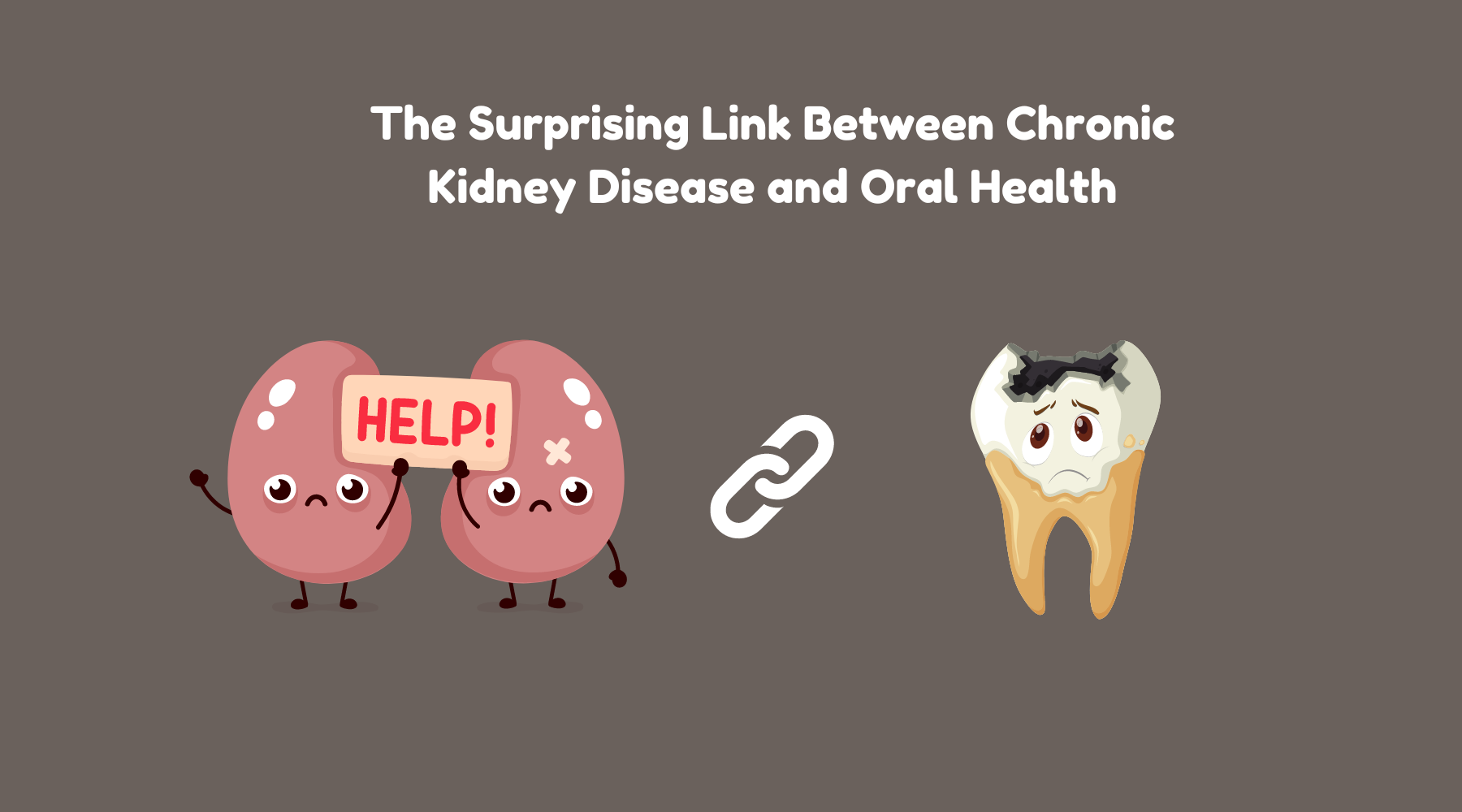
Most people associate kidney health with drinking water, avoiding too much salt, and managing blood pressure. The last thing anyone thinks about when worrying about their kidneys is whether they have a cavity. But perhaps we should be thinking about that a lot more.
There is a deeply entrenched, often-overlooked connection between the state of your teeth and the function of your kidneys. It doesn't involve the dramatic inflammation pathways we see with heart disease and diabetes; this connection is far more chemical and mechanical.
To understand this, you have to understand what happens when the kidneys start to fail. The primary job of your kidneys is to filter waste and excess fluid from your blood. When they are damaged, they cannot efficiently remove urea—a waste product from protein digestion. The urea builds up in the bloodstream, and the body tries to expel it through other routes. The easiest escape route? Your saliva.
As urea levels spike in your saliva, the natural pH of your mouth changes. Your saliva—which is normally your mouth's best defense against acid—becomes increasingly alkaline. While that sounds like a good thing (who wants acid?), it actually creates a bizarre environment that allows a specific, aggressive type of bacteria to thrive.
Additionally, kidney disease often causes severe dry mouth (xerostomia). Whether it's the disease itself or the medications used to treat it (like diuretics), patients lose the protective flow of saliva. Saliva isn't just water; it contains calcium, phosphate, and antimicrobial enzymes. Without it, your teeth are defenseless. Food debris sits on the enamel longer, acids are never neutralized, and decay can progress at a shockingly rapid pace—sometimes rotting an entire tooth from the gumline down in a matter of months.
For a long time, this was just something nephrologists (kidney doctors) noticed anecdotally. But now, substantial data from the National Health and Nutrition Examination Survey confirms that patients with chronic kidney disease have significantly more decayed, missing, and filled teeth than the general population.
But here is the crucial part we want you to remember: this isn't a reason to panic if you have kidney issues. It is a reason to be proactive. Dental treatment does not need to be complicated for these patients, but it does need to be frequent.
The standard "twice a year" rule often isn't enough for kidney patients. We look at your medication list, we talk to your nephrologist, and we often recommend prescription-strength fluoride toothpaste and specialized rinses that are designed to stimulate saliva production. We aren't just polishing your teeth; we are actively trying to engineer an environment in your mouth that stops the "chemical cascade" triggered by your kidneys.
Actionable Takeaway:
If you have been diagnosed with chronic kidney disease or are on dialysis, do not wait for a toothache to come see us. Tooth decay in this scenario doesn't always present with the typical sensitivity to cold or sweets; it often presents as a "dull ache" that is easy to ignore. Schedule an evaluation to assess your salivary flow and get a high-risk decay prevention plan in place. Protecting your teeth in this situation means protecting your overall nutritional intake—because you need strong teeth to chew the high-quality protein your body requires.
Protect your smile and your overall health. Visit https://painfreedentistsydney.com.au/ to book your consultation online. Call us at (02) 9558 8988 or email info@painfreedentistsydney.com.au to schedule your appointment today.