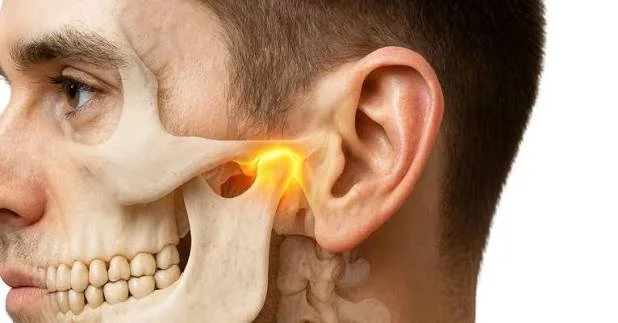
Here is something most people do not realise: your jaw is arguably the hardest-working joint in your entire body. Every time you speak, chew, swallow, or even breathe, your jaw is in motion. It moves between 2,000 and 3,000 times a day—sometimes significantly more for people who talk a lot or chew gum frequently.
And here is another fact that might surprise you: your jaw is the only double-hinged joint in your entire body. It crosses both sides of your body, connecting your lower jaw to your skull at two points simultaneously. This unique design gives you the ability to chew, speak, and yawn—but it also means that problems on one side can affect the other.
Yet despite how hard your jaw works, most of us know very little about it. And when jaw pain strikes, patients often end up confused, frustrated, and misinformed.
Here are the most fascinating—and surprising—facts about your jaw that every patient should know.
Fact 1: Your Jaw Is One of the Busiest Joints in Your Body
Most people never think about their jaw until it hurts. But consider this: your jaw is involved in speaking, eating, and breathing—three of the most fundamental human activities. It is estimated that the average person moves their jaw 2,000 to 3,000 times per day. That is more than most other joints in your body.
And your jaw muscles are surprisingly strong. The average human bite force is around 160 pounds per square inch. That is enough pressure to crush a nut or tear through a steak—but also enough to cause significant damage if you are grinding your teeth at night.
Fact 2: Jaw Pain Can Show Up in Unexpected Places
Here is a fact that surprises most patients: jaw issues do not always feel like jaw pain.
Because your jaw is closely connected to your head, neck, and ears, problems with the joint can cause referred pain in areas you would never suspect. Patients often experience:
Headaches and migraines—muscles and nerves in your face and jaw are interconnected, so inflammation can radiate to your temples
Neck pain—the nerves and muscles from your jaw extend down to your cervical spine
Ear pressure, ringing (tinnitus), or even hearing loss—the TMJ connects very closely to ear structures
Sinus-like symptoms—some patients mistake TMJ pain for a sinus infection
If you have been treated for headaches, earaches, or neck pain without finding relief, your jaw might be the hidden culprit.
Fact 3: Women Are More Likely to Experience Jaw Pain
TMJ disorders affect 5% to 12% of the population, but the numbers are not evenly distributed. Studies consistently show that jaw pain is significantly more common in women than men, particularly between the ages of 20 and 40.
The reasons are not fully understood, but researchers suspect a combination of hormonal factors, differences in pain processing, and genetic predisposition may play a role. If you are a woman in this age range experiencing persistent headaches or facial pain, it is worth asking your dentist about TMJ assessment.
Fact 4: Clicking Does Not Always Mean Trouble
That clicking or popping sound when you open your mouth can be alarming. But here is a comforting fact: jaw sounds are surprisingly common, and they do not always signal a problem.
If you have clicking without pain, stiffness, or restricted movement, it is likely nothing to worry about. Many people have noisy joints without any underlying disorder. However, if the clicking is accompanied by pain, locking, or difficulty opening your mouth, it is time to see a professional.
Fact 5: The Biggest Myth About Jaw Pain Might Surprise You
For decades, patients were told that jaw pain was caused by teeth grinding (bruxism) during sleep. The logic seemed simple: if you grind your teeth, you are overworking your jaw muscles, and that causes pain.
But here is the surprising truth: a definitive sleep laboratory study found no relationship between sleep bruxism and chronic jaw pain. In fact, researchers discovered that patients with the most severe pain were actually the least likely to grind their teeth at night.
Both TMD patients and healthy controls showed very similar rates of grinding activity—less than one minute per night on average. The researchers concluded: "When your dentist tells you that your facial pain is somehow 'your fault' because you are grinding your teeth, you now know that it is simply not true."
This does not mean grinding is harmless—it can cause tooth wear and damage. But if you have been blaming yourself for your jaw pain, it is time to let go of that guilt. The causes of TMD are far more complex.
Fact 6: Arthritis Can Strike Your Jaw
Most people associate arthritis with knees, hips, and hands. But your jaw joint is vulnerable too.
Osteoarthritis is the most common form of arthritis affecting the TMJ, particularly in people over 50. It involves the gradual wearing down of cartilage, leading to stiffness, pain, and grating sounds when moving the jaw. Clenching and grinding can set the stage for arthritis to develop by putting extra wear on the joint.
Rheumatoid arthritis can also affect the TMJ. Studies show that 17% of people with RA experience pain and swelling in the jaw joint. There is also a known connection between periodontal disease and rheumatoid arthritis—the inflammation in your mouth can magnify inflammation throughout your body.
If you have arthritis elsewhere in your body and are experiencing jaw pain, it is worth discussing the connection with your dentist.
Fact 7: Your Jaw Pain Might Actually Be Something Else
Here is one of the most important—and surprising—facts: not all jaw pain is TMJ disorder.
Migraine is a common mimic. Migraines can manifest as facial or jaw pain, especially when accompanied by sensitivity to light or sound, nausea, or vomiting. Unlike TMJ pain, migraines can be triggered by weather changes, certain foods (like soy, dairy, or gluten), or hormonal shifts.
Other conditions that can mimic jaw pain include:
Dental issues—cavities, fractures, or abscesses
Neuralgias and nerve conditions
Sinus disease
Salivary gland disorders
Tension-type headaches
This is why a thorough assessment is so important. Treating the wrong condition wastes time, money, and can leave you in pain for years.
Fact 8: Simple Self-Care Often Works Best
Despite all the complex causes of jaw pain, the most effective treatments are often the simplest:
Eat softer foods and cut food into smaller pieces
Keep your teeth apart when you are not chewing—this keeps your jaw muscles relaxed
Apply moist heat to tired muscles
Avoid chewing gum—it overworks the TMJ and can trigger migraine symptoms
Manage stress—stress can increase muscle tension and contribute to bruxism
The good news? Most people with TMJ disorders experience significant relief within about three months with these conservative approaches.
When to See Your Dentist
Your dentist is uniquely positioned to help with jaw pain. We have extensive knowledge of your teeth, bite alignment, and the muscles and joints of your jaw.
See your dentist if you experience:
Persistent jaw pain, especially when eating or speaking
Clicking, popping, or locking that limits movement
Headaches or neck pain that coincide with jaw discomfort
Difficulty opening your mouth wide
Pain in front of your ear that does not resolve
Seek urgent care if you have jaw symptoms along with vision problems, severe headaches, difficulty eating or drinking, or any neurological symptoms like numbness or dizziness.
The Bottom Line
Your jaw is remarkable. It works harder than you realise, connects to more of your body than you might expect, and its problems can show up in surprising ways. Understanding how it works—and the myths that surround it—is the first step to getting the right care.
Experiencing jaw pain or headaches? Visit https://painfreedentistsydney.com.au/ to book your TMJ assessment online. Call us at (02) 9558 8988 or email info@painfreedentistsydney.com.au to speak with our team.