If you wake up with a sore jaw, frequent headaches, or find yourself clenching your teeth during the day, you might be one of the millions of people suffering from TMJ disorder. The good news? Botox—the same treatment famous for smoothing wrinkles—has emerged as a powerful, non-surgical option for relieving jaw pain and the effects of teeth grinding.
What Is TMJ Disorder?
TMJ stands for temporomandibular joint, the hinge connecting your jaw to your skull. When this joint or the surrounding muscles become strained or inflamed, it can cause:
Jaw pain or tightness
Clicking or popping sounds when chewing
Frequent headaches or migraines
Teeth grinding (bruxism)
Facial pain and earaches
Difficulty opening or closing your mouth fully
TMD is the leading cause of non-dental orofacial pain. Studies suggest approximately 31% of adults experience TMD at some point, with a marked female predominance—women are affected about four times more often than men.
How Does Botox Help TMJ Pain?
Botox (botulinum toxin type A) is a neurotoxin produced in a lab and diluted to safe therapeutic levels. When injected into overactive jaw muscles—typically the masseter and temporalis muscles—it works by temporarily blocking nerve signals that cause muscle contraction.
This means your jaw muscles can't overwork themselves anymore. By relaxing the muscles responsible for clenching and grinding, Botox helps:
Reduce jaw muscle pain and tension
Minimise teeth grinding episodes
Alleviate associated headaches
Protect teeth from further wear and damage
Does Botox for TMJ Actually Work?
Research shows promising results. A 2025 pilot study found that patients receiving a single bilateral injection of Botox experienced significant pain reduction—Visual Analog Scale scores dropped from 6.84 to 0.84 (out of 10) within 12 weeks. Functional limitations and quality of life scores also improved substantially.
A systematic review analysing multiple studies found that Botox was more effective than occlusal splints for improving maximum mouth opening in the early treatment period, though results were comparable by the sixth month.
Another clinical trial demonstrated that patients receiving Botox in the masseter muscle alongside other jaw muscles showed significant improvement in bruxism symptoms that lasted for months.
However, the U.S. Food and Drug Administration (FDA) has not yet approved Botox specifically for TMD treatment. Research on its effectiveness has produced mixed results. Some studies suggest Botox does a better job on certain symptoms like teeth grinding than others like pain.
What to Expect During Treatment
Consultation – Your dentist or medical professional assesses your symptoms and determines if Botox is right for you.
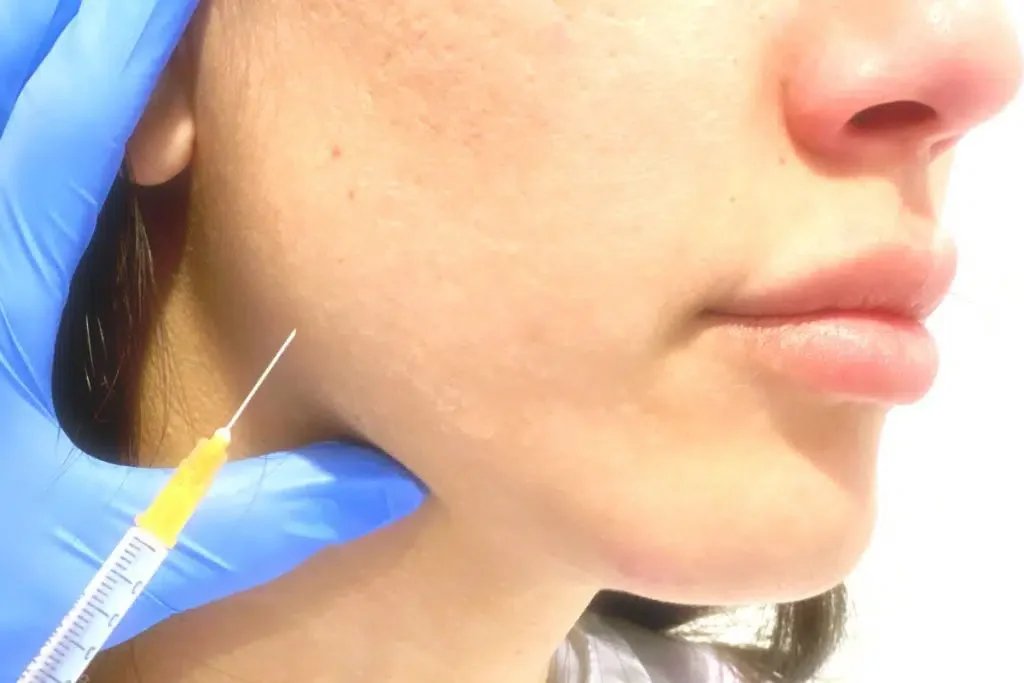
The procedure – Small doses are injected directly into the affected jaw muscles. The procedure typically takes just 10 to 15 minutes with minimal discomfort.
Results – Effects usually begin within 3 to 5 days, with full results appearing within 1 to 2 weeks.
Duration – Relief typically lasts 3 to 6 months, after which follow-up treatments may be needed.
Side Effects and Safety
Botox is generally considered safe when administered by trained professionals in a medical setting. However, potential side effects can include:
Injection site pain, bruising, or swelling
Unwanted facial paralysis or cosmetic changes (rare)
Headaches or neck pain
Muscle weakness
Importantly, studies indicate that the recommended therapeutic dose (10 to 50 units unilaterally) is effective, and common adverse effects like transient masticatory weakness or facial paralysis can be avoided with standardised injection techniques.
Is Botox Right for You?
You may be a good candidate for Botox treatment if you:
Suffer from chronic jaw pain or tightness
Grind or clench your teeth regularly
Experience tension headaches or migraines
Have not found relief from conservative treatments like splints or physical therapy
Want a non-surgical, drug-free solution
A Note on Safety: Choose a Qualified Provider
Botox should only be administered by licensed healthcare providers in proper medical settings. "Back-alley Botox" providers using counterfeit products have been linked to serious complications. In April 2024, the U.S. Centers for Disease Control and Prevention (CDC) issued an alert about counterfeit Botox causing harm.
Conclusion
Botox for TMJ pain offers a modern, minimally invasive approach to managing jaw tension, teeth grinding, and associated pain. While research continues to evolve and the treatment isn't FDA-approved for this specific use, many patients experience significant relief lasting several months. If you're struggling with persistent jaw pain, speak with a qualified dental professional about whether Botox could help you find the relief you deserve.
Disclaimer: This article is for informational purposes only and does not constitute medical advice. Always consult with a qualified healthcare provider for diagnosis and treatment of any health condition.