Imagine waking up with a smile you've always dreamed of—no stains, no gaps, no chips, just perfectly shaped, brilliantly white teeth. It sounds like magic, but for millions of people around the world, it's simply the result of dental veneers. If you've ever looked in the mirror and wished your teeth were whiter, straighter, or more uniform, veneers might be the answer you've been searching for.
What Exactly Are Dental Veneers?
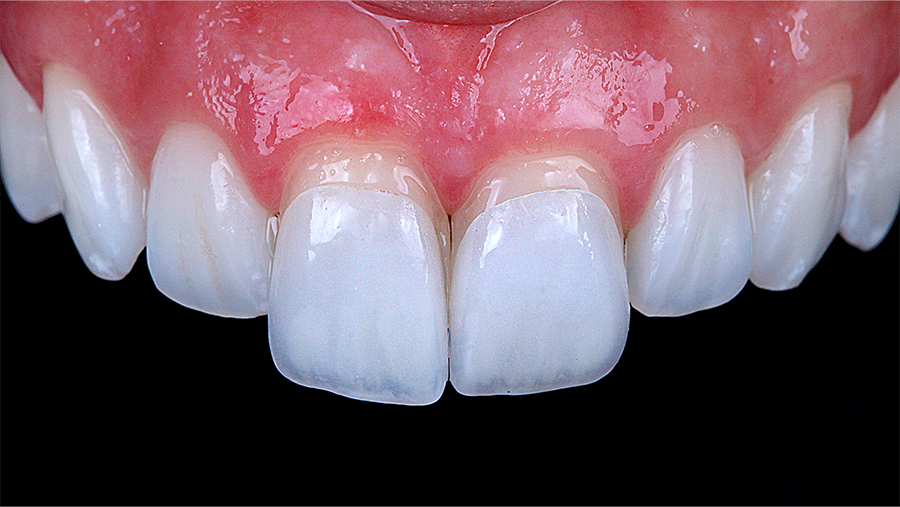
Dental veneers are custom-crafted, wafer-thin shells designed to cover the front surface of your teeth. Think of them like a flawless porcelain mask for your smile. They're bonded directly to your teeth to transform their colour, shape, size, or length.
Veneers are a popular choice for anyone wanting to improve their smile's appearance without undergoing extensive orthodontic treatment or complex dental procedures. Whether you have stained teeth that won't respond to whitening, chips or cracks, uneven spacing, or misshapen teeth, veneers can create a dramatic and natural-looking transformation.
Porcelain vs. Composite: Which Veneer Is Right for You?
Choosing the right type of veneer is one of the most important decisions you'll make. Each option has distinct advantages, and understanding the differences helps you make an informed choice.
Porcelain Veneers
Porcelain veneers are the gold standard in cosmetic dentistry. These are custom-made in a dental laboratory from high-quality ceramic materials. They are incredibly durable and stain-resistant, often lasting 10 to 15 years or more with proper care. Porcelain veneers mimic the light-reflecting properties of natural tooth enamel, giving a remarkably lifelike appearance.
The process typically requires two visits. At your first appointment, your dentist prepares your teeth by removing a thin layer of enamel to ensure a perfect fit. Impressions are taken and sent to a lab where your veneers are fabricated. At your second visit, your dentist bonds the veneers to your teeth.
Composite Veneers
Composite veneers are crafted directly onto your teeth using tooth-coloured resin material. Your dentist applies the resin in layers, sculpting and shaping each tooth before curing it with a special light. This is often completed in a single appointment.
Composite veneers are more affordable and require less enamel removal. However, they are less durable than porcelain, typically lasting 5 to 7 years, and are more prone to staining and chipping. They also may not replicate the natural translucency of enamel as effectively as porcelain.
Which One Should You Choose?
If you're looking for the most natural, long-lasting, and stain-resistant option, porcelain veneers are generally the superior choice. If you're working with a tighter budget or want a quicker, reversible procedure, composite veneers may be a good starting point. Your dentist can guide you based on your smile goals and individual circumstances.
The Veneer Journey: What to Expect
Getting veneers is a journey that involves careful planning and expert craftsmanship. Here's what you can expect along the way.
Step 1: Consultation and Smile Design
This is where your dream smile begins. Your dentist will examine your teeth, discuss your goals, and determine if veneers are right for you. You'll explore the different types of veneers and colour options. Many dentists use digital imaging to show you a preview of your new smile before any treatment begins.
Step 2: Tooth Preparation
For porcelain veneers, your dentist will remove a small amount of enamel—typically about half a millimetre—from the front and sides of your teeth. This ensures your veneers fit flush with your surrounding teeth and look completely natural. For composite veneers, the preparation is generally minimal or even non-existent.
Step 3: Impressions and Temporary Veneers
Your dentist takes impressions of your prepared teeth and sends them to a dental laboratory to craft your porcelain veneers. This process usually takes 1 to 2 weeks. In the meantime, temporary veneers are placed to protect your teeth and give you a preview.
Step 4: Bonding the Veneers
Once your custom veneers arrive, your dentist will place them on your teeth to check the fit, shape, and colour. Any adjustments are made to ensure a perfect match. Your teeth are then cleaned and polished, and a special bonding cement is used to permanently attach the veneers. A curing light hardens the cement, creating a strong bond.
Step 5: Final Polishing
Your dentist makes any final adjustments and polishes your veneers to ensure a natural sheen and comfortable bite.
Are You a Candidate for Veneers?
Veneers are incredibly versatile, but they're not for everyone. You may be an excellent candidate if you have:
Stained or discoloured teeth that don't respond to professional whitening
Chipped, worn, or broken teeth that need cosmetic restoration
Gaps between teeth that you'd like to close without braces
Misshapen or irregular teeth that affect your smile's symmetry
Crooked teeth that you'd like to straighten without orthodontics
However, veneers may not be suitable if you have extensive tooth decay, active gum disease, insufficient enamel, severe misalignment, or habits like clenching or grinding. Your dentist will help determine if veneers or an alternative treatment is best for you.
Are Veneers Painful?
One of the most common questions people ask is whether getting veneers hurts. The good news is that the procedure is generally not painful. Your dentist uses local anaesthesia to numb the area during the preparation stage, so you won't feel any discomfort. Some patients experience mild sensitivity to hot or cold temperatures for a short time after treatment, but this typically fades within a few days.
How Long Do Veneers Last?
With proper care, porcelain veneers can last 10 to 15 years, and sometimes longer. Composite veneers usually last 5 to 7 years before needing touch-ups or replacement. The longevity of your veneers depends on your oral hygiene habits, daily wear and tear, and whether you engage in behaviours like teeth grinding or chewing on hard objects like ice or pens.
Caring for Your New Smile
Dental veneers don't require special maintenance beyond good oral hygiene. Brush twice daily with a non-abrasive toothpaste, floss daily, and visit your dentist regularly. Avoid using your teeth as tools and don't bite into extremely hard foods like nuts, ice, or hard lollies. If you grind your teeth at night, your dentist may recommend a night guard to protect your investment.
The Life-Changing Benefits of Veneers
Veneers offer more than just cosmetic improvement. They can boost your confidence, improve your professional image, enhance your social interactions, and give you the freedom to smile without hesitation. Many patients describe their veneers as life-changing—and it's easy to see why.
Frequently Asked Questions
Will veneers look natural?
Absolutely. Modern porcelain veneers are crafted to replicate the translucency and texture of natural tooth enamel. When properly designed, no one will know you have veneers—they'll just notice your beautiful smile.
Do veneers damage teeth?
Some enamel is removed for porcelain veneers, which is irreversible. However, this process is carefully controlled and minimal. Composite veneers often require no enamel removal.
Can I whiten my veneers?
Veneers are stain-resistant, but they don't respond to whitening treatments. If you're considering whitening, it's best to do so before your veneers are placed so your dentist can match the colour perfectly.
Will my veneers fall off?
Veneers are permanently bonded to your teeth and will not fall off with normal use. They are exceptionally strong but can be damaged by excessive force or trauma.
Are veneers reversible?
Porcelain veneers are not reversible because enamel is removed. Composite veneers are more reversible but may still require maintenance.
Veneers vs. Other Cosmetic Options
Veneers vs. Teeth Whitening – Whitening improves colour only. Veneers transform colour, shape, size, and symmetry.
Veneers vs. Braces – Braces move teeth over time. Veneers instantly create the appearance of straighter teeth.
Veneers vs. Crowns – Crowns cover the entire tooth. Veneers cover only the front surface and are less invasive.
Your New Smile Awaits
Dental veneers have revolutionised cosmetic dentistry, offering a dramatic and lasting solution for anyone wanting to perfect their smile. Whether you choose porcelain or composite, the journey begins with a conversation. A skilled cosmetic dentist can help you explore your options, design your dream smile, and guide you every step of the way.
Your smile is one of the first things people notice about you. Isn't it time it reflected the confidence you feel inside?
Disclaimer: This article is for informational purposes only and does not constitute medical advice. Always consult with a qualified healthcare provider for diagnosis and treatment of any health condition.