Gum disease is one of the most common health conditions affecting Australians, yet it's also one of the most overlooked. Many people don't realise they have it until the condition has progressed to a more advanced stage. The good news is that gum disease is preventable, treatable, and reversible in its early stages. Understanding the signs and taking action early can protect your smile and your overall health.
What Is Gum Disease?
Gum disease, also known as periodontal disease, is an infection of the tissues that surround and support your teeth. It begins when plaque—a sticky film of bacteria—builds up on your teeth and along the gumline. If not removed through regular brushing and flossing, this plaque hardens into tartar, which can only be removed by a dental professional.
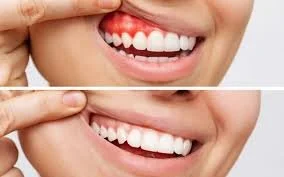
Gum disease has two main stages. The early stage is called gingivitis. This involves inflammation of the gums and is characterised by redness, swelling, and bleeding. At this stage, the condition is fully reversible with proper care and professional cleaning.
The more advanced stage is called periodontitis. This occurs when the infection spreads below the gumline and damages the supporting bone and tissues. Over time, periodontitis can lead to tooth loss and has been linked to other health problems throughout the body.
Signs and Symptoms of Gum Disease
Gum disease can develop silently. You may have no pain in the early stages, which is why regular dental check-ups are essential. Common signs to watch for include:
Bleeding gums – Perhaps the most common early warning sign. If your gums bleed when you brush or floss, this is not normal and indicates inflammation. Healthy gums do not bleed.
Red, swollen, or tender gums – Inflamed gums may appear reddish or purplish, feel swollen, and be tender to the touch.
Persistent bad breath – Bacteria in the mouth release toxins that can cause a persistent unpleasant odour or taste.
Receding gums – Gums that pull away from your teeth, making your teeth appear longer than before.
Loose teeth – As the supporting bone is destroyed, teeth can become mobile or shift position.
Changes in your bite – Shifting teeth can alter how your teeth fit together when you bite.
Pus between teeth and gums – This is a sign of advanced infection and requires immediate professional attention.
Pain when chewing – Discomfort while eating can indicate underlying periodontal issues.
What Causes Gum Disease?
Gum disease is caused by the accumulation of plaque and tartar on your teeth. However, several factors can increase your risk:
Poor oral hygiene – Inadequate brushing and flossing allow plaque to build up and harden into tartar.
Smoking and tobacco use – One of the most significant risk factors. Smokers are up to six times more likely to develop gum disease than non-smokers. Tobacco use also impairs healing.
Genetics – Some people are genetically predisposed to gum disease, even with good oral hygiene.
Medical conditions – Diabetes, especially uncontrolled diabetes, significantly increases risk. Other conditions including HIV, osteoporosis, and rheumatoid arthritis can also contribute.
Medications – Some medications reduce saliva flow, increasing the risk of gum disease as saliva helps protect your teeth and gums.
Stress – High stress levels can lower your immune system's ability to fight infection.
Hormonal changes – Pregnancy, menopause, and puberty can make gums more sensitive and vulnerable to infection.
Poor nutrition – A diet high in sugar and low in nutrients can compromise your body's ability to fight infection.
The Connection Between Gum Disease and Overall Health
Research increasingly shows that gum disease is linked to several serious health conditions. The bacteria and inflammation associated with periodontal disease can affect your entire body.
Heart disease – People with gum disease have a higher risk of heart disease and may be at greater risk of stroke. The inflammation from gum disease may contribute to the development of cardiovascular problems.
Diabetes – There is a two-way relationship between gum disease and diabetes. Diabetes increases the risk of gum disease, and severe gum disease can make blood sugar harder to control.
Respiratory infections – Bacteria from the mouth can be inhaled into the lungs, potentially causing respiratory infections like pneumonia, especially in older adults.
Pregnancy complications – Gum disease has been associated with preterm birth and low birth weight babies.
Dementia – Some studies suggest a link between gum disease and cognitive decline, possibly due to inflammation or bacteria reaching the brain.
Maintaining healthy gums isn't just about protecting your teeth—it's an important part of protecting your overall health.
Diagnosis: How Gum Disease Is Detected
Your dentist or dental hygienist can detect gum disease during a routine examination. The process typically involves:
Dental probing – A small periodontal probe is gently used to measure the depth of the pockets between your teeth and gums. Healthy gums typically have pockets measuring 1 to 3 millimetres. Deeper pockets indicate gum disease.
Visual examination – Your dentist checks for signs of redness, swelling, plaque, and tartar.
Dental X-rays – X-rays help identify bone loss that may not be visible during a clinical examination.
Medical history review – Your dentist will review your health history to identify risk factors.
Treatment Options for Gum Disease
Treatment depends on the severity of your condition. Early intervention is key to preventing progression and avoiding more invasive treatments.
Non-Surgical Treatments
Professional dental cleaning – Regular professional cleanings remove plaque and tartar that can't be removed with regular brushing alone. For most patients, this is recommended every six months, though some may need more frequent visits.
Scaling and root planing – This deep-cleaning procedure goes below the gumline to remove plaque and tartar from tooth roots. The root surfaces are smoothed to prevent bacteria from reattaching. It's often performed under local anaesthetic to ensure comfort.
Antibiotic treatments – Antibiotic gels, mouth rinses, or oral antibiotics may be prescribed to help control bacterial infection, particularly after scaling and root planing.
Surgical Treatments
When non-surgical treatments aren't enough, surgical options may be recommended for advanced periodontitis:
Flap surgery (pocket reduction) – The gums are lifted back, tartar is removed, and any irregular bone surfaces are smoothed. The gums are then placed back in position to fit more tightly around the teeth.
Gum grafting – When gums have receded, tissue can be grafted from another area of your mouth to cover exposed roots and restore gum tissue.
Bone grafting – For patients with significant bone loss, bone grafts can regenerate lost bone tissue.
Guided tissue regeneration – A special membrane is placed between bone and gum tissue to encourage bone regrowth.
Laser therapy – Some dentists use lasers for minimally invasive gum disease treatment, though this is not yet considered the standard of care by all professionals.
Recovery and Aftercare
Recovery depends on the type of treatment you receive. After scaling and root planing, you may experience some sensitivity and tenderness for several days. Eating soft foods and avoiding hot or cold items can help. After surgical treatments, recovery takes longer, and your dentist will provide specific aftercare instructions.
In all cases, ongoing maintenance is essential to prevent recurrence. Your dentist will recommend a personalised recall schedule to monitor your gum health.
Preventing Gum Disease
Prevention is always better than cure. Protecting your gum health involves consistent, daily habits:
Brush thoroughly twice daily – Use a soft-bristled toothbrush and fluoride toothpaste. Make sure to brush along the gumline and all tooth surfaces. An electric toothbrush can be particularly effective.
Floss daily – Flossing removes plaque and food particles from between teeth where your toothbrush can't reach. If traditional floss is difficult, consider interdental brushes or water flossers.
Use mouthwash – An antimicrobial mouthwash can help reduce plaque bacteria.
Eat a balanced diet – Limit sugary foods and drinks that feed harmful bacteria. Eat foods rich in calcium, vitamin C, and omega-3 fatty acids.
Visit your dentist regularly – Professional cleanings and check-ups are essential for detecting early signs of gum disease.
Quit smoking – Smoking is a leading risk factor for gum disease and impairs healing.
Manage health conditions – Keep conditions like diabetes under control to reduce your risk.
Frequently Asked Questions
Is gum disease reversible?
Gingivitis is fully reversible with proper care. Periodontitis can be managed but bone loss cannot be reversed.
Can gum disease cause tooth loss?
Yes. Advanced periodontitis is a leading cause of tooth loss in adults.
How often should I see the dentist?
Most patients should visit every six months. Those with a history of gum disease may need more frequent visits.
Does gum disease affect my health?
Yes. Research links gum disease to heart disease, diabetes, respiratory problems, and other conditions.
Can children get gum disease?
Yes. Gingivitis is common in children and teenagers, particularly during puberty when hormonal changes occur.
Conclusion
Gum disease is a common but preventable condition that can affect more than just your mouth. With regular dental care, good daily hygiene, and awareness of the signs, you can protect your gums and your overall health. If you notice any symptoms like bleeding gums or persistent bad breath, don't delay in seeking professional advice.
Your gums form the foundation of your smile. Looking after them is one of the most important things you can do for your health.
Disclaimer: This article is for informational purposes only and does not constitute medical advice. Always consult with a qualified healthcare provider for diagnosis and treatment of any health condition.