Symptoms of Tongue Tie and Its Impact on Adult Life

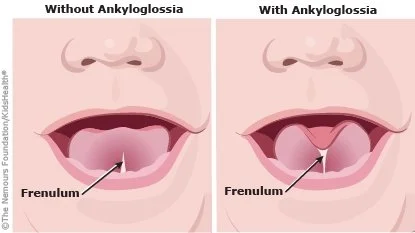
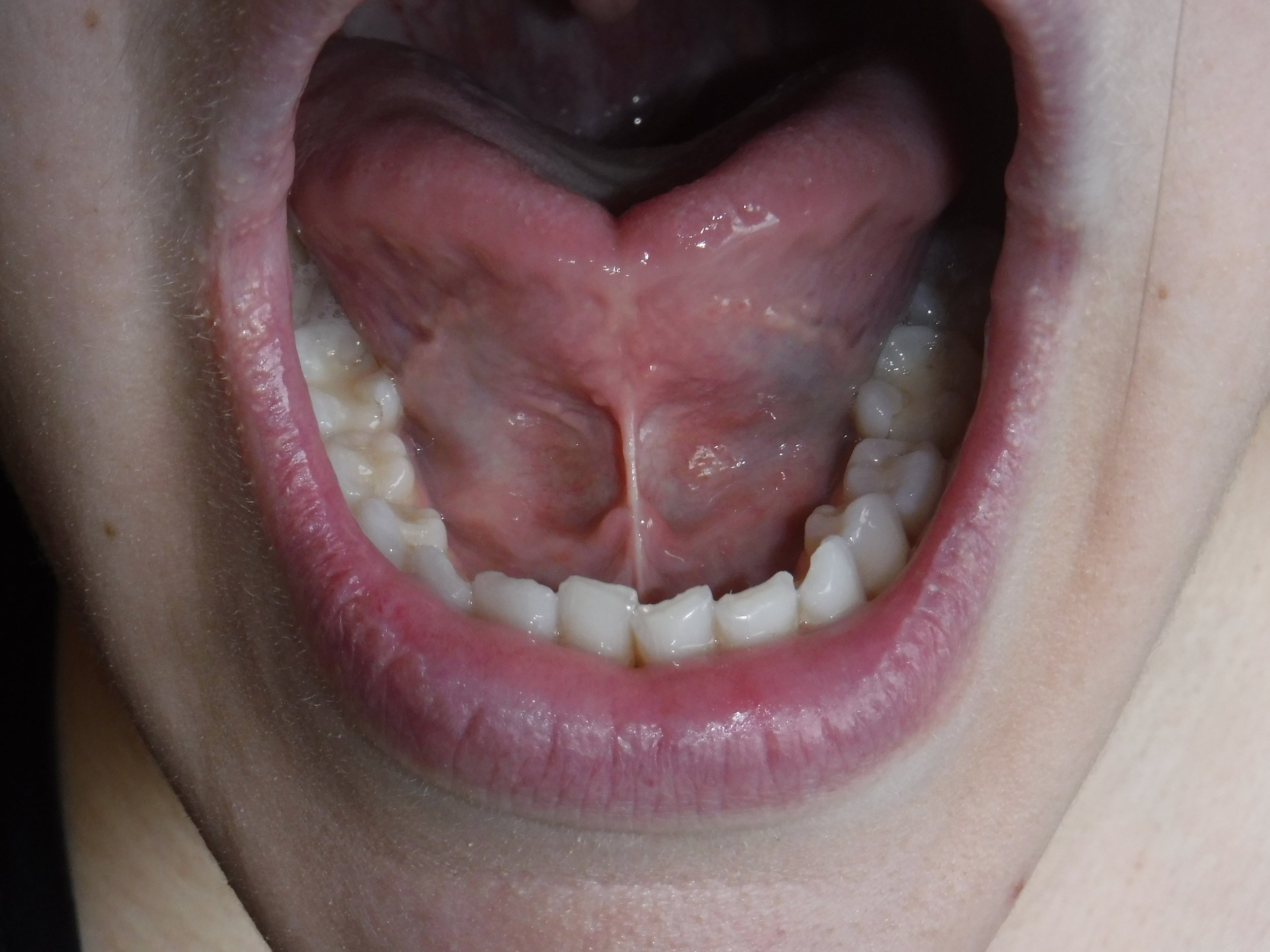
Tongue tie, medically known as ankyloglossia, is a condition present at birth that restricts the tongue's range of motion. While it may seem inconsequential, especially in infancy, its effects can followthrough one's life, shaping speech, oral hygiene, and even self-esteem. Identifying the symptoms of tongue tie early on is crucial, as it can pave the way for timely interventions and prevent long-term repercussions.

In infants, the signs of tongue tie can manifest in various ways. Difficulty breastfeeding is a common red flag, as the restricted movement of the tongue hampers the baby's ability to latch onto the breast effectively. Additionally, infants with tongue tie may exhibit poor weight gain due to insufficient feeding.

As children grow older, the symptoms of tongue tie can become more apparent. Speech difficulties often emerge, characterised by challenges in articulating sounds, such as "t," "d," "l," and "r." Children may struggle with pronunciation, experience speech impediments like lisping, or develop a nasal tone to compensate for their limited tongue movement. Moreover, issues with oral hygiene may arise, as the inability to fully extend the tongue makes it difficult to clean food particles from the teeth and gums, increasing the risk of dental decay and gum disease.

However, the impact of tongue tie doesn't dissipate with childhood. If left untreated, its effects can persist into adulthood, shaping various aspects of life. Speech impediments may persist, affecting communication skills and confidence in social settings. Individuals with untreated tongue tie may feel self-conscious about their speech patterns, leading to avoidance of certain social interactions or public speaking opportunities.

Furthermore, the oral hygiene challenges posed by tongue tie can contribute to long-term dental issues. Poor dental health can result in cavities, gum disease, and even tooth loss, necessitating extensive dental interventions and potentially impacting overall well-being.

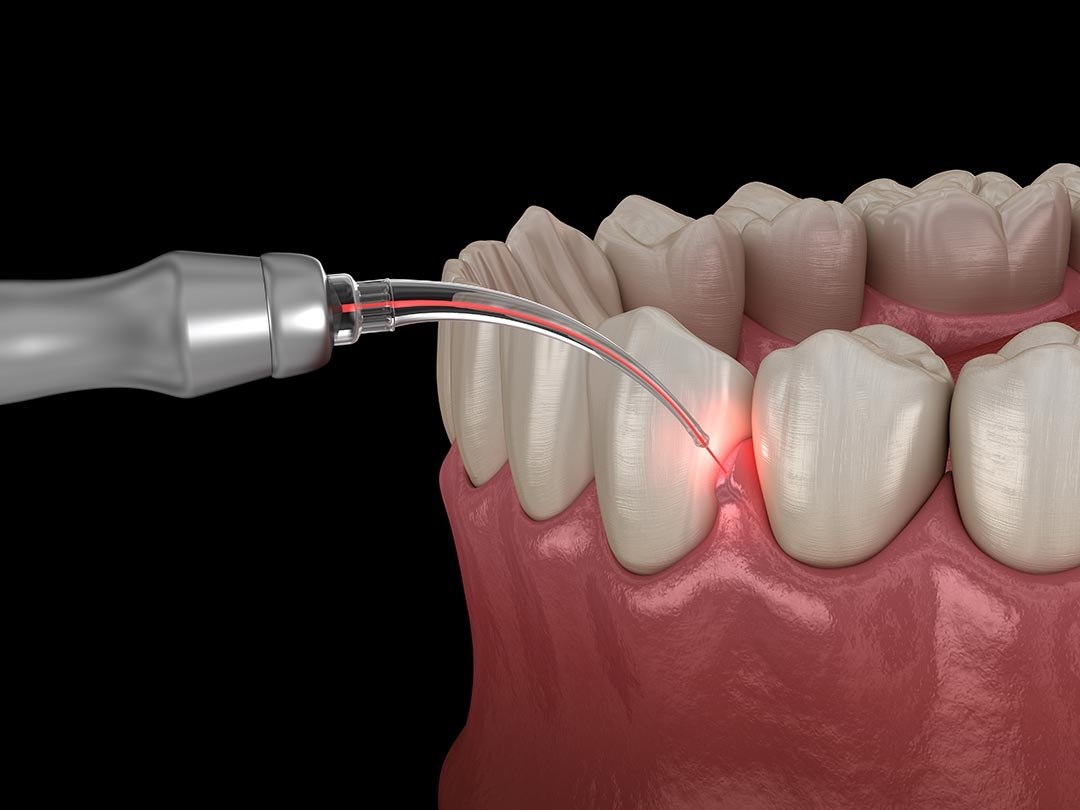
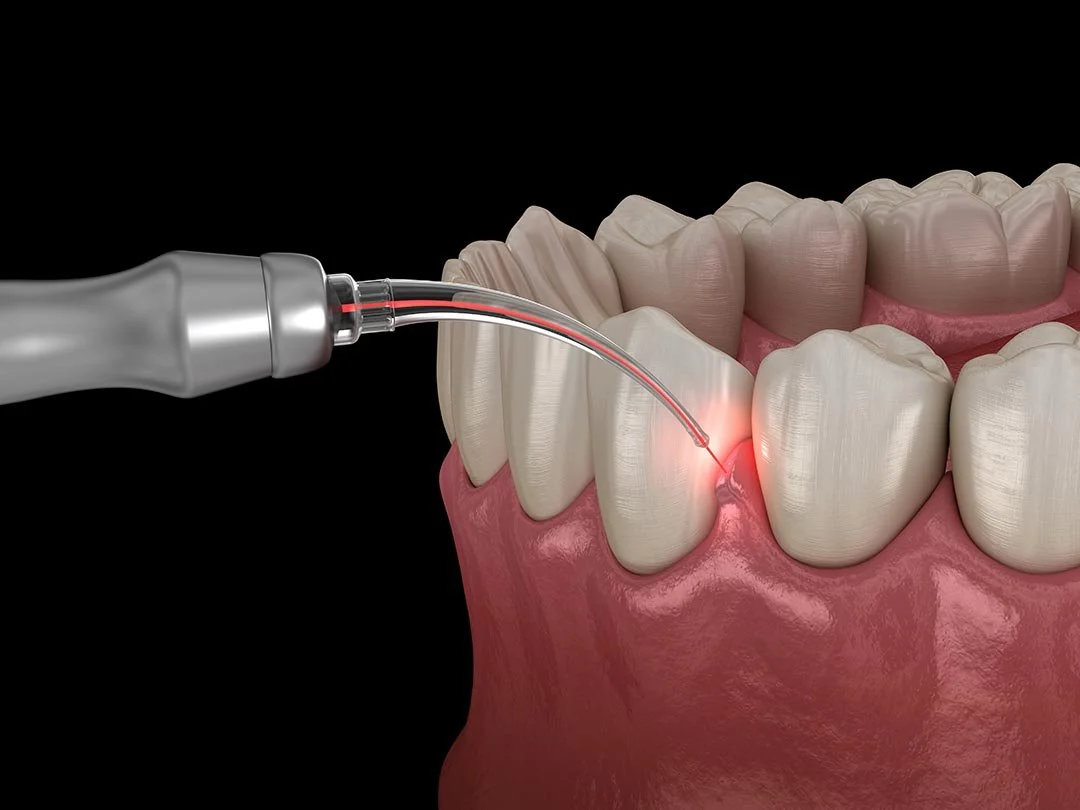
Fortunately, advancements in medical understanding and treatment options offer hope for those affected by tongue tie. Surgical procedures such as frenectomy can effectively release the tight tissue underneath the tongue, restoring its full range of motion. Early intervention is key, as addressing a tongue tie in infancy or childhood can mitigate its long-term consequences and improve quality of life.

Recognizing the symptoms of tongue tie at a young age is essential for timely intervention and preventing adverse effects on speech, oral hygiene, and overall well-being. By addressing tongue tie early on, individuals can unlock their full potential for communication, oral health, and self-confidence, paving the way for a brighter and more fulfilling adult life.

Contact out Tongue Tie Specialist if:

  • Your baby has signs of tongue-tie that cause problems, such as having trouble breast-feeding.

  • A speech-language pathologist thinks your child's speech is affected by tongue-tie.

  • Your older child complains of tongue problems that interfere with eating, speaking or reaching the back teeth.

  • You're bothered by your own symptoms of tongue-tie.
 

Our Blog Posts

Emergency Dentistry - The importance of early checkups

Have you ever had a sudden tooth pain that forced you to book an appointment with the dentist ASAP? A sudden tooth pain can be both alarming and indicative of underlying dental issues that require prompt attention. If you experience sudden, severe pain in your teeth or gums, it’s crucial to book an appointment with your dentist as soon as possible to address the root causes.

dental procedure

Dr. Chong performing her emergency procedure with an assisting nuse.

There are many reasons predisposes to sudden teeth pain. Patients can already have diseases such as:

  • Abscess tooth: a severe tooth infection at the root of a tooth or between the gum and a tooth. This would often be accompanied with swelling, redness, and a throbbing pain that can radiate to the jaw or neck.

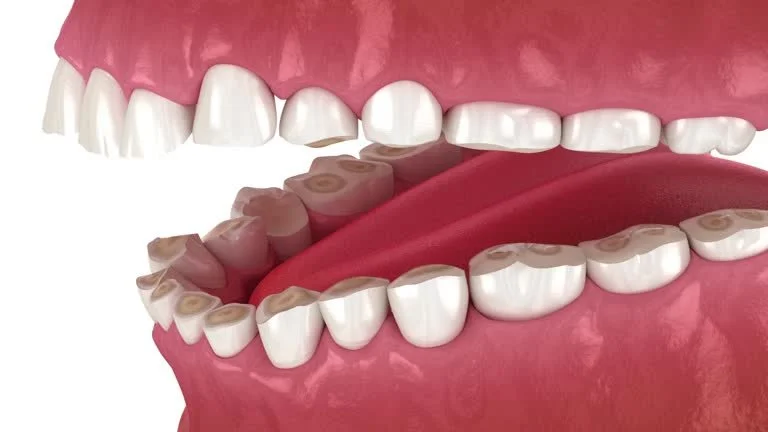
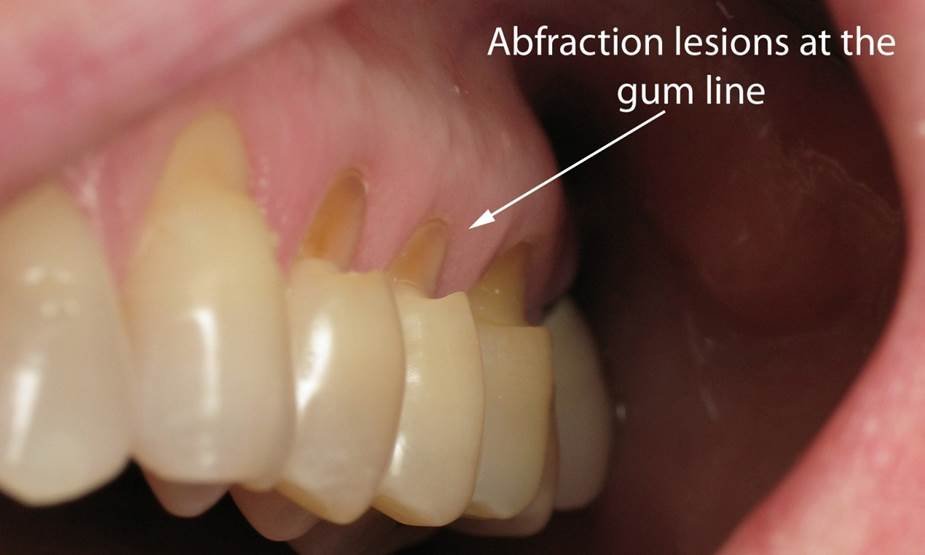
  • Dental erosion: excessive wear of the tooth enamel, possibly due to acid reflux or dietary acids, can expose the dentin or inner layers, leading tooth sensitivity.

  • Cracked or fractured teeth: a sudden fracture or crack in a tooth, possibly from biting down on something hard, can cause acute pain. It is an urgency to address this matter immediately, as cracks can expose the sensitive inner parts of the tooth to temperatures, pressure, and food particles, contributing to nerve damage and infections.

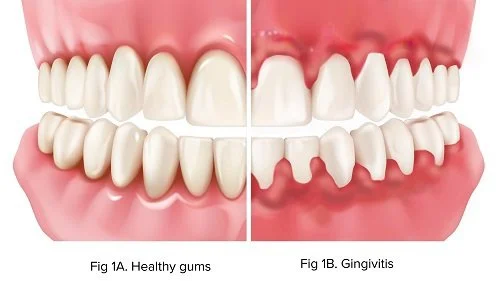
  • Gum disease: advanced gum disease (periodontitis) can lead to pain, swelling, and bleeding of the gums. In severe cases, it can affect the bone that supports your teeth, leading to pain and potentially tooth loss.

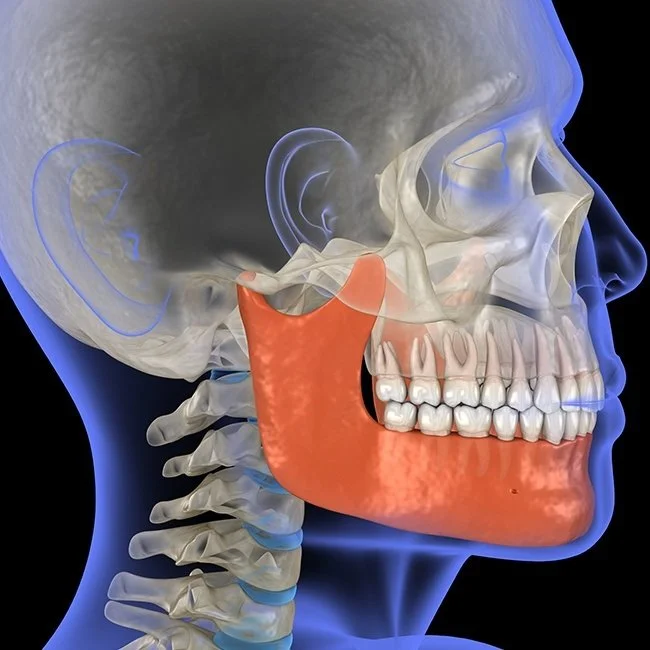
  • TMJ: temporomandibular disorders can affect the joint that connects your jaw to your skull, which can lead to pain in your teeth jaw, face or neck.

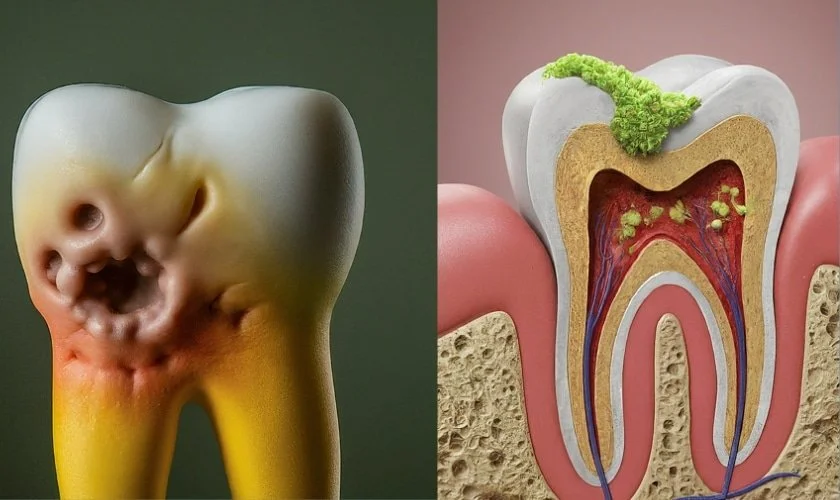
  • Tooth decay or cavities (caries): when tooth decay progresses to reach the inner layers of the tooth, it can cause sharp, sudden pain. Cavities can grow unnoticed until they reach the sensitive parts of your teeth, leading to intense discomfort.

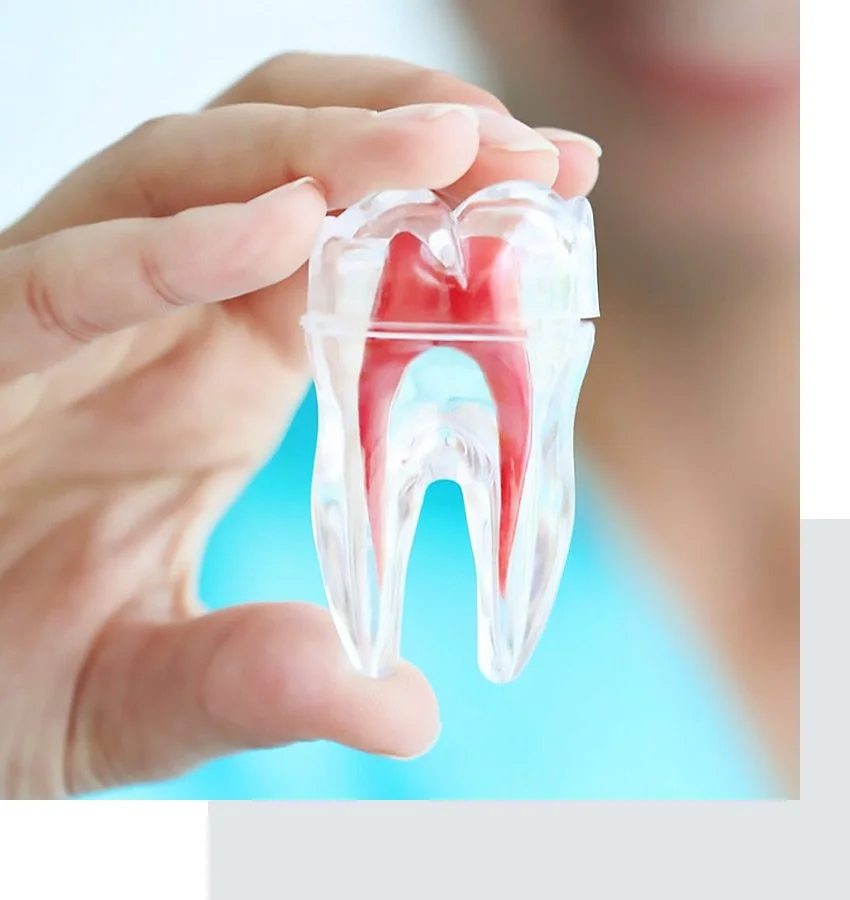
NOTE: With years of training, your dentist can find underlying causes affecting your teeth pain, and can predict your future teeth damage. A tooth decay if not spotted early can lead to infections of the teeth root, impacting the nerves and causing immense pain. One of the solution is to either undergo tooth extraction or root canal treatment (RCT) to salvage the tooth and ensure as much tooth is preserved as possible. If not, over-the-counter painkillers can be used to minimise the pain however, the pain will continue to exacerbate if left untreated.

How should I solve this problem?

If your teeth pain is sudden, severe, and doesn’t subside with basic home care, schedule a visit with your dentist immediately. After your visit, adhere strictly to your dentist’s advice, whether it involves medication, follow-up appointments, or procedures to address the cause of your toothache.

If you cannot visit your dentist on time, there are many steps to temporarily tackle sudden tooth pain:

  • Use warm water to rinse your mouth gently. This can help clean the area and remove any food particles that might be irritating.

  • Floss gently. Sometimes, pain can be caused by something stuck between your teeth. Carefully floss can allow food particles or plagues to be removed.

  • If there is redness and swelling, apply a cold compress to the outside of your cheek to help reduce inflammation and numb the pain.

  • Over-the-counter pain relievers can temporarily alleviate the pain. However, it’s important to follow recommended dosage and not apply medication directly to gums or sore throat, as this can burn the gum tissue.

  • Until you see a dentist, avoid very hot, cold, sweet or hard foods, especially where the pain is located.

  • Keeping your head elevated can prevent blood from rushing to your head and exacerbating the toothache.

Want to get more information? Call us on (02) 9558 8988

Book an appointment