Dental Bridges: A Reliable Solution for Missing Teeth

Missing teeth don’t just affect the way your smile looks—they can also impact your bite, your speech, and the health of the surrounding teeth. That’s where a dental bridge comes in. A dental bridge is a trusted and effective solution to replace one or more missing teeth, restoring your smile and your confidence.

In this article, we’ll explain what dental bridges are, the types available, how the procedure works, and what to expect in terms of care and costs.

What Is a Dental Bridge?

A dental bridge is a fixed dental restoration that literally "bridges" the gap left by one or more missing teeth. It consists of:

  • Pontic(s) – The false tooth or teeth that fill the gap

  • Abutment teeth – The natural teeth or dental implants on either side of the gap that support the bridge

The result is a natural-looking restoration that helps you chew, speak, and smile more comfortably.

Types of Dental Bridges

There are four main types of bridges:

  1. Traditional Bridge
    The most common type. A crown is placed on each of the teeth next to the gap, with a pontic in between.

  2. Cantilever Bridge
    Used when there is only one supporting tooth next to the missing tooth. Less common and not suitable for back teeth due to pressure.

  3. Maryland Bridge
    Uses a metal or porcelain framework bonded to the back of adjacent teeth. Minimally invasive but not as strong as traditional bridges.

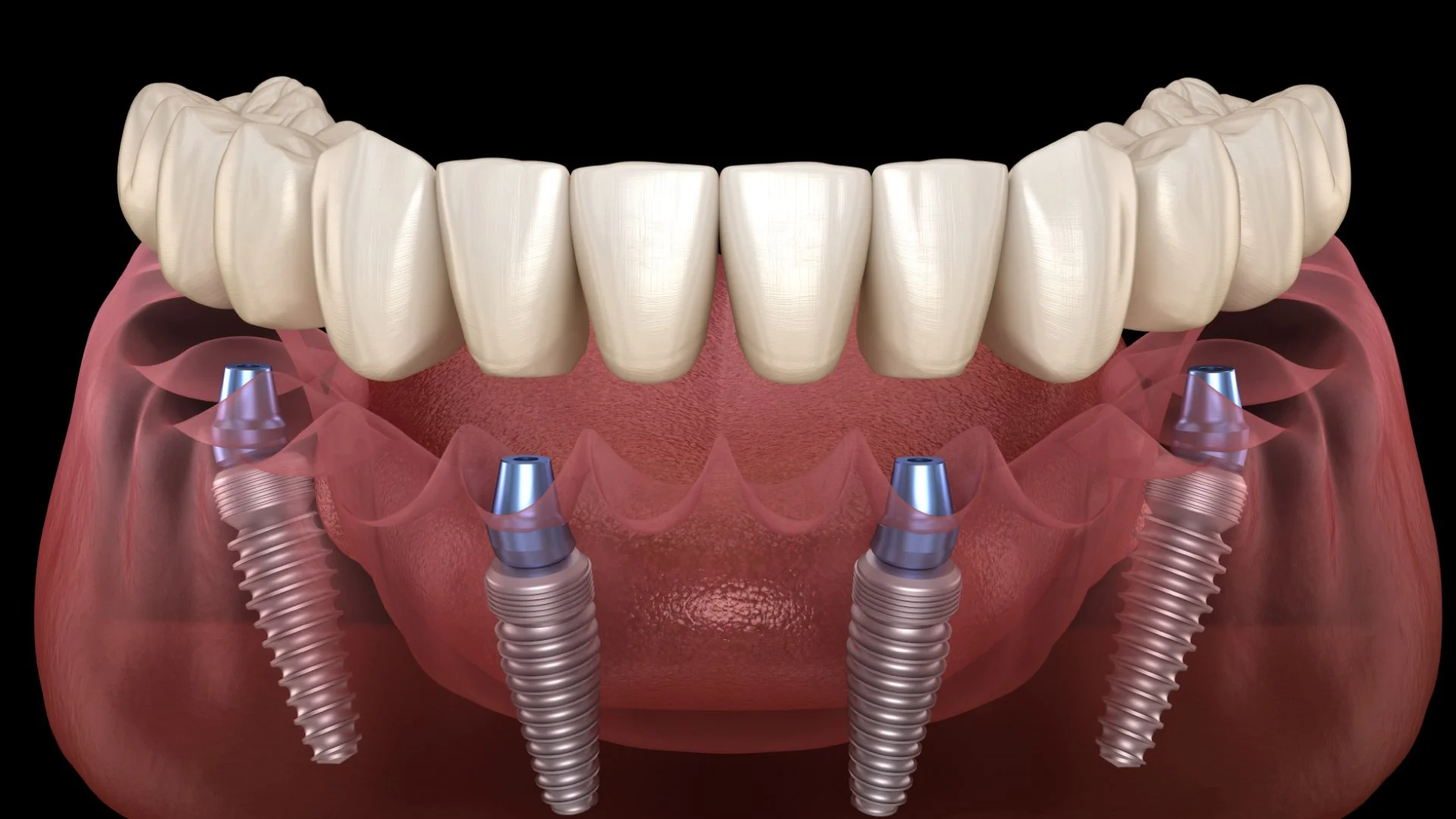
  4. Implant-Supported Bridge
    Supported by dental implants instead of natural teeth. Ideal when multiple teeth are missing and you want a long-lasting, stable solution.

When Do You Need a Dental Bridge?

A bridge may be recommended if you:

  • Have one or more missing teeth

  • Are not a candidate for dental implants

  • Want a fixed alternative to dentures

  • Need to prevent neighbouring teeth from shifting

  • Want to restore your ability to chew and speak properly

The Dental Bridge Procedure: What to Expect

The process usually involves two or more visits:

Visit 1: Preparation

  • The abutment teeth are reshaped to fit crowns

  • Impressions or digital scans are taken

  • A temporary bridge may be placed

Visit 2: Final Placement

  • The permanent bridge is checked for fit and bite

  • Adjustments are made as needed

  • The bridge is cemented into place

If you’re getting an implant-supported bridge, additional time is needed for implant healing.

Does It Hurt?

Local anaesthesia is used during the preparation, so the procedure is comfortable. You might experience some mild soreness after the appointment, but this typically subsides quickly.

Benefits of a Dental Bridge

  • Restores a full, natural-looking smile

  • Improves chewing and speaking ability

  • Prevents neighbouring teeth from shifting

  • Maintains the shape of your face

  • Fixed in place—no removal like dentures

How Long Does a Dental Bridge Last?

With proper care, a dental bridge can last 10 to 15 years or more. The key to longevity is good oral hygiene and regular dental check-ups.

How Much Does a Dental Bridge Cost?

The cost of a dental bridge depends on the type of bridge, materials used, and number of missing teeth. In Australia, a traditional dental bridge typically ranges from $3,000 to $5,000.

Health insurance may cover a portion of the cost, depending on your level of cover.

Caring for Your Dental Bridge

  • Brush twice daily with fluoride toothpaste

  • Floss daily—use a floss threader or water flosser to clean under the bridge

  • Avoid hard or sticky foods

  • See your dentist for regular check-ups and cleanings

Conclusion: Rebuild Your Smile with a Dental Bridge

A dental bridge offers a strong, functional, and natural-looking way to replace missing teeth. Whether you’ve lost a single tooth or multiple teeth, a bridge can restore balance to your bite and confidence to your smile.

If you're exploring tooth replacement options, book a consultation to find out if a dental bridge is right for you.

For inquiries or to schedule an appointment, please reach out to us at 9558 8988 or email us at info@painfreedentistsydney.com.au.

You can also enjoy hassle-free booking directly through our website!

We invite you to visit our clinic at Shop G01A, 570 New Canterbury Road, Hurlstone Park, NSW 2193. We look forward to welcoming you!

Dental Crowns: What They Are, When You Need One, and What to Expect

If you’ve ever had a tooth that was cracked, decayed, or weakened, your dentist may have recommended a dental crown. Crowns are one of the most common restorative treatments—and for good reason. They can restore strength, protect damaged teeth, and even improve the look of your smile.

In this article, we’ll walk you through everything you need to know about dental crowns: what they are, when you need one, what the procedure involves, and the types of crowns available.

What Is a Dental Crown?

A dental crown is a custom-made “cap” that fits over a tooth to restore its shape, strength, and function. Think of it like a protective helmet for a damaged tooth—it covers the entire visible portion of the tooth above the gum line.

When Do You Need a Crown?

Your dentist may recommend a crown if you have:

  • A tooth that’s cracked, broken, or severely worn down

  • A large cavity that can’t be filled

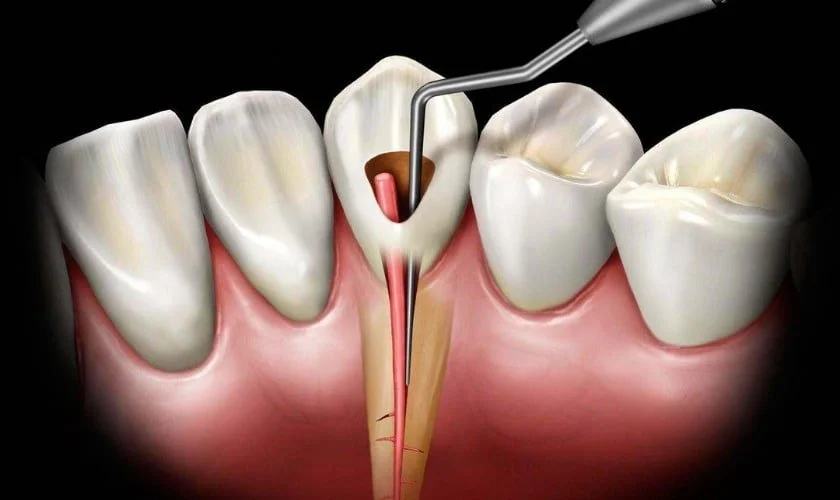
  • A tooth that has had root canal treatment

  • A tooth that’s misshapen or discoloured

  • A missing tooth being replaced with a dental implant or bridge

  • A weakened tooth that needs extra support

What Are Crowns Made Of?

There are several types of materials used for dental crowns:

  • Porcelain or ceramic – Most natural-looking, great for front teeth

  • Porcelain-fused-to-metal (PFM) – Stronger than all-ceramic, but can show a dark line at the gum

  • Gold or metal alloys – Extremely durable, often used for back teeth

  • Zirconia – Strong, long-lasting, and aesthetically pleasing

  • Resin – More affordable, but less durable

Your dentist will help you choose the best material based on the location of the tooth, your bite, and aesthetic preferences.

What’s the Procedure Like?

The process typically involves two visits:

Visit 1: Tooth Preparation

  • The tooth is shaped to make space for the crown.

  • An impression or 3D scan is taken.

  • A temporary crown is placed to protect the tooth.

Visit 2: Crown Placement

  • The temporary crown is removed.

  • Your permanent crown is checked for fit and colour.

  • Once everything looks good, it’s cemented in place.

Some clinics also offer same-day crowns using CEREC or digital technology.

Does Getting a Crown Hurt?

Most patients find the procedure comfortable. Local anaesthetic is used during the tooth preparation, so you won’t feel pain. You may experience mild sensitivity or soreness afterward, especially around the gums, but this usually settles within a few days.

How Long Do Dental Crowns Last?

On average, a dental crown lasts 10 to 15 years, but with good care, some last even longer. Longevity depends on factors like:

  • Oral hygiene habits

  • Avoiding hard or sticky foods

  • Not grinding your teeth

  • Regular dental check-ups

How Much Do Dental Crowns Cost?

The cost varies depending on the material and complexity. In Australia, dental crowns typically range from $1,500 to $2,500 per tooth. If it’s part of a larger treatment plan (like after a root canal or with a dental implant), the price may differ.

Private health insurance may cover part of the cost, depending on your level of extras cover.

Caring for Your Crown

Treat your crown like a natural tooth:

  • Brush twice a day with fluoride toothpaste

  • Floss daily (use special floss if needed for bridgework)

  • Wear a nightguard if you grind your teeth

  • Avoid biting on hard objects like ice or pens

Conclusion: A Long-Term Fix for Damaged Teeth

Dental crowns are a reliable and long-lasting solution for restoring both the function and appearance of your teeth. Whether you're dealing with a cracked tooth, severe decay, or post-root canal protection, a crown can give your smile the support it needs.

Ready to restore your smile? Book a consultation today to see if a dental crown is right for you.

For inquiries or to schedule an appointment, please reach out to us at 9558 8988 or email us at info@painfreedentistsydney.com.au.

You can also enjoy hassle-free booking directly through our website!

We invite you to visit our clinic at Shop G01A, 570 New Canterbury Road, Hurlstone Park, NSW 2193. We look forward to welcoming you!

Gum disease (gingivitis vs. periodontitis) explained

Healthy gums are the foundation of a healthy smile. But when plaque and bacteria build up around the gumline, it can lead to gum disease—a common condition that affects nearly half of adults over 30.
Left untreated, gum disease can damage your teeth, gums, and even your jawbone. In severe cases, it can lead to tooth loss.

In this blog, we’ll break down the two main stages of gum disease—gingivitis and periodontitis—including causes, symptoms, treatment options, and how to prevent it.

What Is Gum Disease?

Gum disease, also known as periodontal disease, is an infection of the tissues that surround and support your teeth. It starts off mild (gingivitis) but can progress into a more serious condition (periodontitis) if not treated early.

Stage 1: Gingivitis

Gingivitis is the earliest and mildest form of gum disease. It occurs when plaque—a sticky film of bacteria—builds up on the teeth and irritates the gum tissue.

Symptoms of Gingivitis:

  • Red or swollen gums

  • Bleeding when brushing or flossing

  • Bad breath (halitosis)

  • Mild gum tenderness

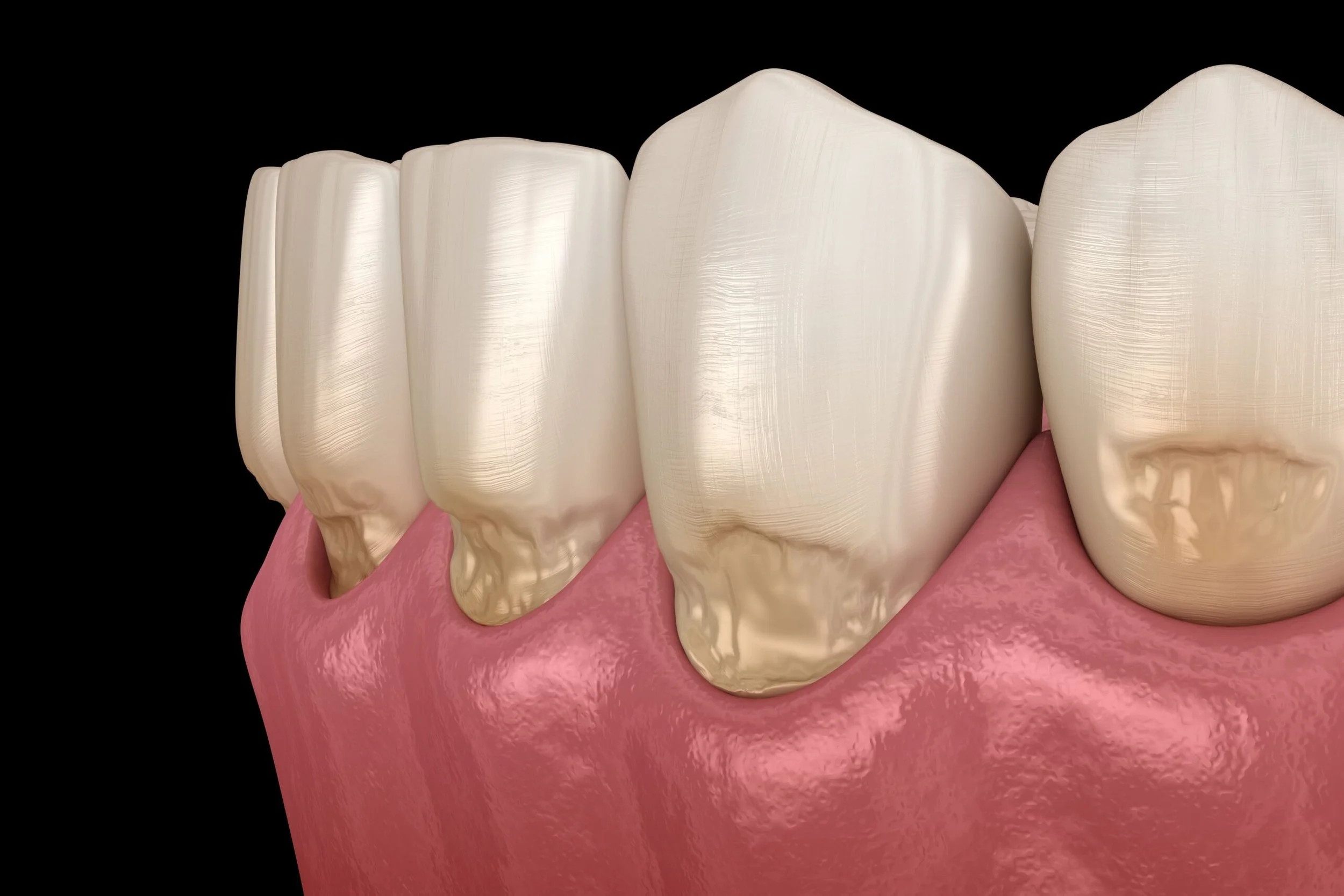
  • Receding gums (early sign)

The good news? Gingivitis is reversible with good oral hygiene and professional dental cleanings.

Stage 2: Periodontitis

If gingivitis is left untreated, it can progress to periodontitis—a more advanced form of gum disease where the infection spreads below the gumline, damaging the bone and connective tissue that hold teeth in place.

Symptoms of Periodontitis:

  • Persistent bad breath

  • Gum recession and pockets forming between teeth

  • Loose or shifting teeth

  • Pain when chewing

  • Tooth sensitivity due to exposed roots

  • Eventual tooth loss

Once gum disease reaches this stage, it is no longer reversible but can be managed with proper treatment and ongoing care.

What Causes Gum Disease?

The primary cause is plaque buildup from poor oral hygiene. However, several other factors can contribute to gum disease:

  • Smoking or tobacco use

  • Diabetes

  • Hormonal changes (e.g., pregnancy, menopause)

  • Medications that reduce saliva flow

  • Poor diet, especially one low in vitamin C

  • Genetics

  • Crooked teeth that are harder to clean

Treatment for Gum Disease

For Gingivitis:

  • Professional dental cleaning (scale and polish)

  • Improved brushing and flossing habits

  • Antibacterial mouth rinses

  • Regular dental check-ups

For Periodontitis:

  • Deep cleaning (scaling and root planing)

  • Antibiotic therapy (topical or oral)

  • Laser therapy (in some cases)

  • Gum surgery for advanced cases

  • Bone or tissue grafts if bone loss has occurred

How to Prevent Gum Disease

Prevention is the key to avoiding gum disease—and it starts at home:

  • Brush twice a day with fluoride toothpaste

  • Floss once a day

  • Use an antibacterial mouthwash

  • Visit your dentist every 6 months

  • Don’t smoke

  • Eat a balanced diet

Why Gum Health Matters Beyond Your Smile

Gum disease has been linked to serious systemic health issues, including:

  • Heart disease

  • Diabetes complications

  • Respiratory infections

  • Pregnancy complications (low birth weight or preterm birth)

  • Stroke

Taking care of your gums supports your overall health—not just your teeth.

When Should You See a Dentist?

If you notice bleeding gums, persistent bad breath, gum recession, or any pain or looseness in your teeth, don’t ignore it. Early intervention is the best way to stop gum disease in its tracks.

Conclusion: Protect Your Gums, Protect Your Smile

Gum disease can silently damage your oral health before you even feel symptoms. But with regular care, early detection, and the right treatment, you can maintain healthy gums for life.

Book your dental check-up today and let’s keep your gums strong, pink, and problem-free.