Oral-Systemic Health Connection: How Your Mouth Reflects Your Overall Health

Your mouth is more than just a smile — it’s a window to your overall health. Increasing research reveals strong links between oral health and systemic conditions like heart disease, diabetes, and even pregnancy outcomes. Understanding this connection can empower you to take better care of both your mouth and your body.

What Is the Oral-Systemic Health Connection?

The oral-systemic health connection refers to the relationship between oral health and the health of the rest of your body. The mouth is a gateway to the body, and infections or inflammation in the gums can affect other organs through the bloodstream.

Key Systemic Conditions Linked to Oral Health

1. Heart Disease

Studies show that gum disease increases the risk of heart attack and stroke due to inflammation and bacteria entering the bloodstream.

2. Diabetes

Gum disease can make blood sugar harder to control, and poorly controlled diabetes can worsen gum infections—a two-way relationship.

3. Respiratory Diseases

Bacteria from the mouth can be inhaled into the lungs, potentially causing pneumonia or worsening chronic respiratory conditions.

4. Pregnancy Complications

Poor oral health is associated with premature birth, low birth weight, and pregnancy-induced hypertension.

5. Other Conditions

Research also links gum disease to Alzheimer’s disease, rheumatoid arthritis, and certain cancers, though more studies are ongoing.

How Does Oral Health Impact Overall Health?

Inflammation in the gums caused by periodontal disease releases harmful bacteria and inflammatory markers into the bloodstream. This systemic inflammation can:

  • Damage blood vessels

  • Increase arterial plaque buildup

  • Trigger immune responses that affect other organs

What Can You Do?

Maintain Good Oral Hygiene

Brush twice daily, floss, and visit your dentist regularly.

Manage Chronic Conditions

Keep diseases like diabetes well controlled with your healthcare provider.

Healthy Lifestyle Choices

Quit smoking, eat a balanced diet, and exercise regularly.

Regular Dental Check-ups

Early detection and treatment of gum disease can reduce systemic risks.

Final Thoughts

Your oral health is an essential part of your overall wellness. Taking care of your teeth and gums can reduce your risk of serious health issues. Talk to your dentist about how your oral health relates to your general health and the best ways to protect both.

Want to learn more about your oral health and its impact on your body?
Schedule a consultation with us today!

Periodontal Disease (Gum Disease): What You Need to Know to Keep Your Smile Healthy

Periodontal disease, commonly known as gum disease, is a widespread oral health problem affecting millions worldwide. If left untreated, it can lead to tooth loss and even impact your overall health. Understanding what periodontal disease is, how to spot it early, and how to prevent or treat it can save your smile—and your health.

What Is Periodontal Disease?

Periodontal disease is an infection of the gums and the supporting structures of your teeth. It starts with gingivitis, the inflammation of the gums caused by plaque buildup. If not treated, gingivitis can progress into periodontitis, where the infection spreads deeper, damaging the bone and connective tissue that hold your teeth in place.

Causes and Risk Factors

The primary cause of periodontal disease is poor oral hygiene, which allows plaque—a sticky film of bacteria—to accumulate along the gum line. Other risk factors include:

  • Smoking or tobacco use

  • Diabetes

  • Genetic predisposition

  • Hormonal changes (e.g., pregnancy, menopause)

  • Certain medications

  • Stress

  • Poor nutrition

  • Immune system disorders

Signs and Symptoms to Watch For

Early-stage gum disease (gingivitis) might not cause pain, but there are signs you should never ignore:

  • Red, swollen, or tender gums

  • Bleeding gums during brushing or flossing

  • Persistent bad breath

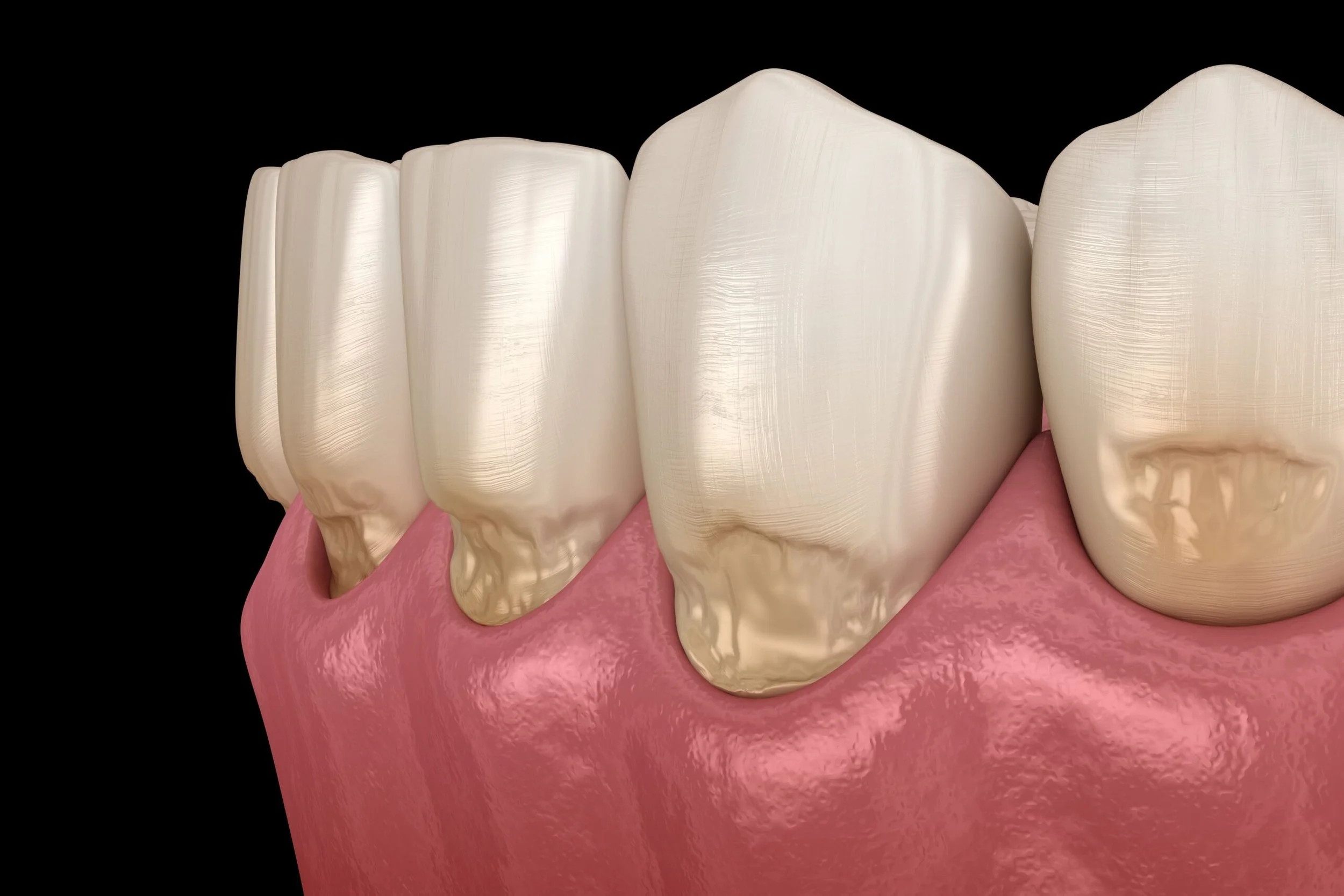
  • Receding gums or gums pulling away from teeth

  • Loose or shifting teeth

  • Changes in your bite or how your teeth fit together

Why Periodontal Disease Matters Beyond Your Mouth

Research shows a strong connection between periodontal disease and systemic health problems like:

  • Heart disease

  • Stroke

  • Diabetes complications

  • Respiratory disease

  • Pregnancy complications (e.g., premature birth, low birth weight)

The inflammation and bacteria in your gums can enter your bloodstream, affecting your whole body.

How Is Periodontal Disease Diagnosed?

During your dental visit, your dentist or hygienist will:

  • Measure the depth of gum pockets around your teeth

  • Check for gum bleeding and inflammation

  • Take X-rays to assess bone loss

  • Review your medical and dental history

Early detection is key to successful treatment.

Treatment Options

Treatment depends on the stage of the disease:

1. Professional Cleaning

  • Removal of plaque and tartar from above and below the gum line

  • Polishing teeth to remove stains and smooth surfaces

2. Scaling and Root Planing

  • Deep cleaning procedure to remove bacteria from root surfaces and smooth rough spots

  • Helps gums reattach to teeth

3. Medications

  • Antibiotic gels or mouth rinses to reduce bacteria

  • Oral antibiotics for severe infections

4. Surgical Treatments

  • Flap surgery to clean deep pockets

  • Bone and tissue grafts to regenerate lost structures

Preventing Periodontal Disease

Good news: periodontal disease is largely preventable with consistent care:

  • Brush teeth twice daily with fluoride toothpaste

  • Floss daily to remove plaque between teeth

  • Regular dental check-ups and cleanings

  • Quit smoking and manage underlying health issues

  • Maintain a healthy diet rich in vitamins and minerals

Final Thoughts

Periodontal disease is a serious but manageable condition. Early intervention and good oral hygiene can keep your gums healthy and protect your smile for life. If you notice any signs of gum problems, don’t wait—schedule a dental visit today.

Concerned about your gum health?
Contact us for a comprehensive periodontal assessment and personalized care plan.

Mouth Breathing in Kids: Dental Implications Every Parent Should Know

Mouth breathing in children is more than just a habit — it can be a sign of an underlying issue and may lead to long-term dental and facial development concerns. As a parent, understanding how mouth breathing affects your child’s health is the first step toward early intervention and prevention.

What Is Mouth Breathing?

Mouth breathing occurs when a child primarily breathes through the mouth instead of the nose. While it's normal for children to occasionally breathe through their mouth (especially when they have a cold), chronic mouth breathing can indicate a structural or functional issue that needs to be addressed.

Causes of Mouth Breathing in Children

Common causes include:

  • Allergies or nasal congestion

  • Enlarged adenoids or tonsils

  • Deviated nasal septum

  • Habitual open-mouth posture

  • Tongue tie or low tongue posture

  • Asthma or chronic respiratory issues

These conditions can obstruct normal nasal airflow, causing the child to rely on mouth breathing for oxygen.

Dental and Facial Implications of Mouth Breathing

When mouth breathing becomes the norm, it can interfere with proper growth of the jaws and face. This is because nasal breathing helps maintain a balanced pressure that supports healthy oral and facial development.

Key dental concerns include:

  • Narrowed dental arches

  • Crowded or crooked teeth

  • Open bite or long face syndrome

  • Underdeveloped upper jaw (maxilla)

  • High-arched palate

  • Poor tongue posture and function

In some children, these changes can begin as early as toddlerhood if mouth breathing is left untreated.

Signs Your Child Might Be a Mouth Breather

You may notice:

  • Snoring or noisy breathing at night

  • Dry lips or dry mouth upon waking

  • Chronic bad breath

  • Forward head posture

  • Daytime fatigue or poor sleep

  • Long, narrow face shape

  • Difficulty keeping lips closed

  • Frequent runny nose or allergies

These symptoms often go hand-in-hand with poor sleep quality and may impact focus, behavior, and learning.

Why Early Detection Matters

Early detection of mouth breathing is essential because the younger the child, the more adaptable their bone growth is. Intervening during growth can guide the jaws and airway structures toward a healthier development path.

In many cases, mouth breathing is part of a bigger picture — such as tongue tie, improper swallowing, or skeletal underdevelopment — and may require a team approach involving:

  • Dentists

  • ENT specialists

  • Myofunctional therapists

  • Orthodontists

How Is Mouth Breathing Treated?

Treatment depends on the cause but may include:

1. Addressing Airway Obstructions

  • ENT evaluation for tonsils/adenoids

  • Allergy management

  • Breathing exercises

2. Myofunctional Therapy

  • Exercises to retrain nasal breathing

  • Strengthening lip seal and tongue posture

3. Early Orthodontics or Expanders

  • Jaw expansion to create space for proper tongue posture and nasal airflow

  • Guidance of jaw and facial growth

4. Tongue Tie Release (if needed)

  • Releasing restrictions that prevent proper tongue placement

Long-Term Benefits of Nasal Breathing

When nasal breathing is restored and maintained, children benefit from:

  • Improved sleep and energy

  • Better focus and mood

  • Correct jaw and facial development

  • Lower risk of orthodontic issues later

  • Reduced risk of sleep apnea in adulthood

Final Thoughts

Mouth breathing in kids is not just a phase — it’s a red flag that could impact their dental health and overall development. The earlier the issue is identified and addressed, the better the outcomes. If you suspect your child is a mouth breather, book a consultation with a dental professional experienced in airway-focused care.

Is your child showing signs of mouth breathing?
Our practice provides holistic, growth-focused care for children to help them breathe better, sleep better, and smile brighter.