Tooth Sensitivity: Causes, Treatments, and Prevention

Do you feel a sharp zing when sipping hot coffee or biting into ice cream? If so, you're not alone. Tooth sensitivity is a common condition that affects millions — and fortunately, it can be treated and even prevented.

In this blog, we’ll explain what causes tooth sensitivity, how to treat it, and what you can do to protect your teeth from future discomfort.

What Is Tooth Sensitivity?

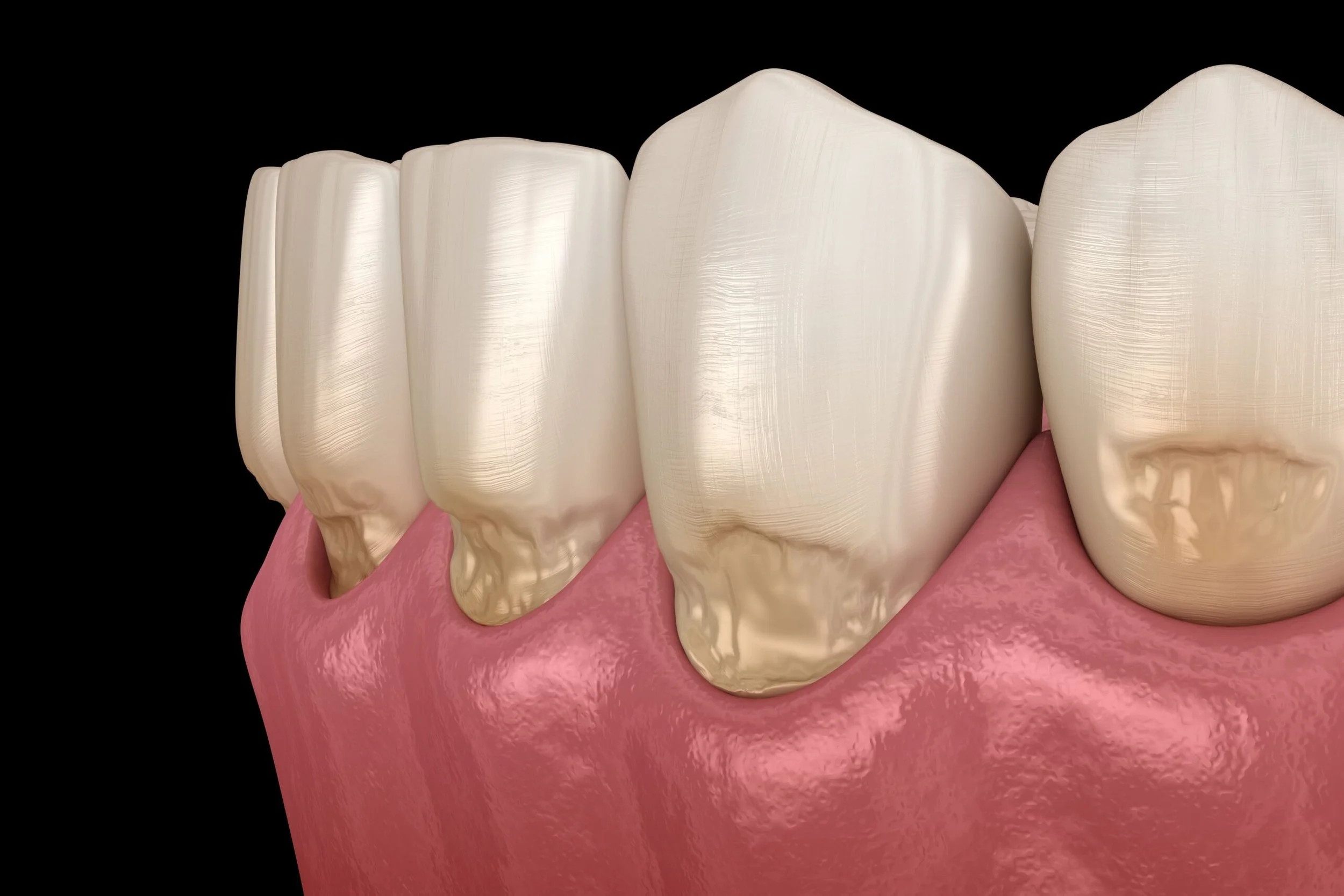
Tooth sensitivity (also called dentin hypersensitivity) occurs when the protective enamel on your teeth wears down or when gums recede, exposing the underlying dentin. This dentin contains microscopic tubules that lead to nerve endings — which react to temperature, pressure, or sweetness.

Common Causes of Tooth Sensitivity

🦷 Enamel Erosion

  • Caused by acidic foods, stomach acid (reflux), or aggressive brushing.

  • Once enamel wears away, the dentin becomes exposed.

🦷 Gum Recession

  • Common in people with gum disease or those who brush too hard.

  • Exposes tooth roots that aren’t protected by enamel.

🦷 Cracked or Chipped Teeth

  • Damage can expose the tooth’s inner layers, leading to pain.

🦷 Tooth Whitening Products

  • Bleaching agents can irritate the nerves in your teeth temporarily.

🦷 Dental Procedures

  • Sensitivity after fillings, crowns, or cleanings is normal — but usually fades within days or weeks.

How to Treat Tooth Sensitivity

Desensitizing Toothpaste

  • Contains ingredients like potassium nitrate or stannous fluoride.

  • Helps block pain signals to the nerve over time.

Fluoride Treatments

  • Strengthens enamel and reduces sensitivity.

  • Available in-office or as prescription rinses.

Bonding or Sealants

  • Applied by dentists to cover exposed root surfaces.

Gum Grafting

  • In severe cases of recession, gum surgery may be needed to protect the root.

Night Guard

  • If grinding (bruxism) is the cause, a custom night guard can reduce enamel wear.

How to Prevent Sensitivity

  • 🪥 Use a soft-bristled toothbrush and gentle pressure

  • 🧴 Avoid acidic drinks and foods (like soda, citrus, vinegar)

  • ⏰ Wait 30 minutes after eating before brushing

  • 🛡️ Use fluoride toothpaste regularly

  • 🦷 Visit your dentist for early gum disease treatment

When to See a Dentist

Tooth sensitivity should not be ignored — especially if it:

  • Comes on suddenly

  • Affects one tooth only

  • Is sharp, lingering, or painful to chew

It may indicate a cavity, cracked tooth, or worn dental work that needs attention.

Sick of the zings and zaps?
Book a dental appointment today and find long-lasting relief from sensitivity.

Dental Materials: What Makes a Strong, Safe, and Long-Lasting Smile

Choosing the right dental material is more than just about appearance — it’s about strength, safety, and longevity. Whether you're getting a filling, crown, or bridge, your dentist considers several factors when selecting a material that will function well in your mouth and last for years.

In this blog, we’ll explore commonly used dental materials like resin composites, ceramics, zirconia, and bioactive materials — and what current research says about their performance.

What Makes a Good Dental Material?

An ideal dental material should be:

  • Biocompatible – Safe for surrounding tissues and non-toxic

  • Strong – Able to withstand chewing forces

  • Aesthetic – Matches natural tooth color and translucency

  • Durable – Resists wear and fracture over time

  • Bondable – Sticks well to natural teeth or cement

Common Dental Materials Explained

🔹 Resin Composites

Used for fillings and cosmetic repairs, resin composites are tooth-colored and ideal for small to moderate restorations.

  • Pros: Aesthetic, minimally invasive, easy to apply

  • Cons: Prone to wear and staining over time

  • Research Insight: Clinical trials show resin composites perform well in anterior teeth but may wear faster in molars under heavy pressure.

🔹 Ceramics (Porcelain)

Used in crowns, veneers, and bridges, ceramics offer a natural appearance and good durability.

  • Pros: Excellent aesthetics, stain resistance

  • Cons: Brittle under extreme force

  • Research Insight: Studies show ceramic crowns have high survival rates (~95% over 10 years) in properly selected cases.

🔹 Zirconia

A newer, high-strength ceramic, zirconia is used in crowns and bridges, particularly in back teeth where durability is essential.

  • Pros: Very strong, biocompatible, good aesthetics

  • Cons: Can be opaque compared to natural enamel

  • Research Insight: Zirconia is shown to outperform porcelain-fused-to-metal (PFM) in both strength and patient satisfaction.

🔹 Bioactive Materials

These materials actively interact with the body to support healing or remineralization. Common in pediatric fillings and some liners under restorations.

  • Pros: Promote remineralization, reduce sensitivity, antibacterial

  • Cons: Less durable for large fillings

  • Research Insight: Bioactive glass and calcium silicate-based materials are being tested in fillings and root treatments with promising results.

How Dentists Choose the Right Material

Your dentist considers:

  • Tooth location and function

  • Size of the restoration

  • Aesthetic expectations

  • Bite pressure

  • Patient allergies or sensitivities

  • Longevity and maintenance

Material Matters in Crowns and Bridges

A 2023 comparative clinical review found:

  • Zirconia crowns show greater fracture resistance than ceramic or metal-ceramic options.

  • Resin composites perform best in small cavities and for aesthetics, but have higher wear in stress-bearing areas.

  • Bioactive cements may enhance crown retention and gum health but are still under long-term study.

Final Thoughts

Dental materials have come a long way — and ongoing research continues to improve their strength, beauty, and safety. Whether you're restoring one tooth or multiple, discussing material options with your dentist ensures the best outcome for your oral health and lifestyle.

Have questions about which material is right for you?
Book a consultation today and let us help you make an informed choice.

Dental Implants: A Long-Lasting Solution for Missing Teeth

If you’re missing one or more teeth, dental implants are one of the most effective and long-lasting solutions available today. They not only restore your smile but also improve function, comfort, and confidence. Here’s what you need to know about dental implants and why they’ve become the gold standard in modern dentistry.

What Are Dental Implants?

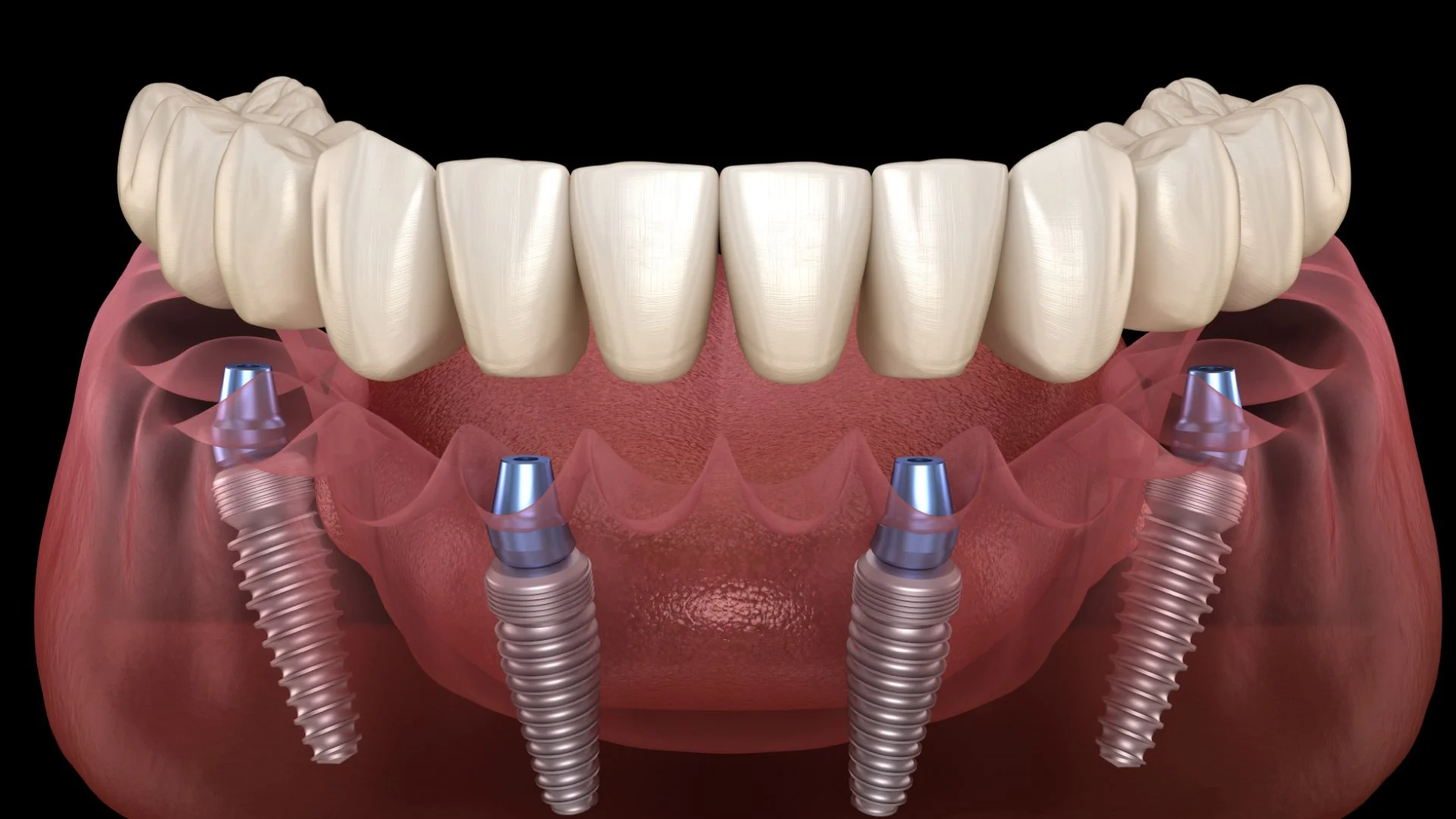
A dental implant is a small titanium or ceramic post that is surgically placed into the jawbone to act as a root for a missing tooth. Once healed, a crown, bridge, or denture is attached to the implant, restoring the appearance and function of your natural tooth.

Benefits of Dental Implants

  • Natural Look and Feel – Implants look, feel, and function like real teeth.

  • Improved Chewing and Speech – No slipping or discomfort like with dentures.

  • Prevents Bone Loss – Implants stimulate the jawbone and prevent bone shrinkage.

  • Durability – With proper care, implants can last decades.

  • No Impact on Surrounding Teeth – Unlike bridges, implants don’t rely on neighboring teeth for support.

Who Is a Candidate for Implants?

You may be a good candidate if you:

  • Have one or more missing teeth

  • Have healthy gums and adequate jawbone

  • Are in good general health

  • Don’t smoke or are willing to quit during healing

  • Are committed to good oral hygiene and regular dental visits

If you have bone loss, procedures like bone grafting can prepare your jaw for implant placement.

The Dental Implant Process

1. Consultation and Planning

Your dentist evaluates your oral health, bone density, and treatment goals using 3D scans and X-rays.

2. Implant Placement

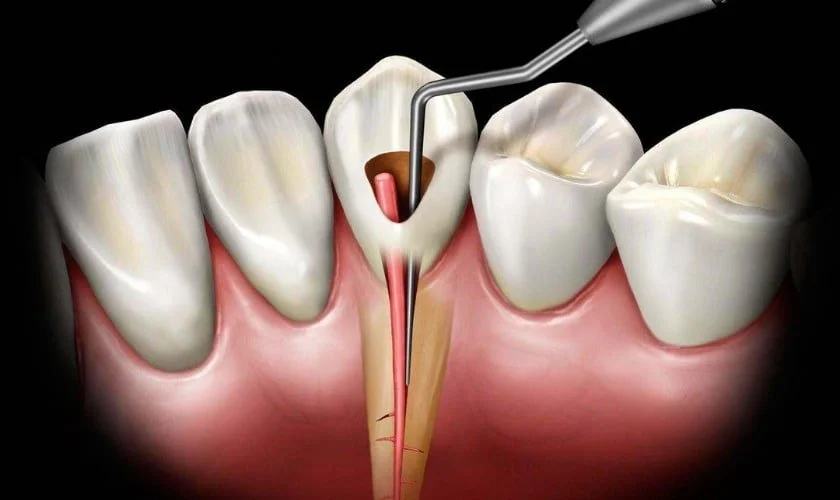
The implant is surgically inserted into the jawbone under local anesthesia. Healing (osseointegration) takes 3–6 months.

3. Abutment and Restoration

After healing, a connector (abutment) is placed, and your custom crown, bridge, or denture is secured.

Types of Dental Implants

  • Single Tooth Implant – Ideal for replacing one missing tooth

  • Implant-Supported Bridge – For several missing teeth in a row

  • All-on-4/All-on-6 – Full arch restoration using fewer implants

  • Mini Implants – Smaller and less invasive for specific cases

Caring for Dental Implants

  • Brush and floss daily

  • Use a soft-bristle toothbrush and non-abrasive toothpaste

  • Attend regular dental check-ups

  • Avoid smoking and limit hard or sticky foods during healing

How Much Do Dental Implants Cost?

Costs vary depending on:

  • Number of implants

  • Need for bone grafting or extractions

  • Type of restoration (crown, bridge, full arch)

While implants are more expensive upfront, they’re often more cost-effective over time due to their longevity.

Final Thoughts

Dental implants are a proven, reliable solution to replace missing teeth and restore quality of life. Whether you're missing one tooth or several, implants can help you eat, speak, and smile with confidence again.

Thinking about dental implants?
Book a consultation to see if implants are right for you and get a customized treatment plan.