🦷 5 Signs You Might Have Gum Disease (and What to Do About It)

Gum Disease: Don’t Ignore the Early Signs

Gum disease, also known as periodontal disease, is one of the most common dental problems—but it often goes unnoticed until serious damage is done. The good news? If caught early, gum disease is treatable and even reversible.

Here are 5 key signs to watch out for—and what you can do about them.

1. 🔴 Bleeding Gums

If your gums bleed when you brush or floss, it’s not “normal.” Bleeding gums are often the first sign of gingivitis, the early stage of gum disease. It means your gums are inflamed and irritated by plaque buildup.

What to do:

  • Improve your brushing and flossing routine

  • Schedule a professional dental clean

  • Avoid aggressive brushing

2. 😬 Persistent Bad Breath (Halitosis)

Chronic bad breath can be more than just embarrassing—it’s often a sign of gum disease. Bacteria trapped beneath the gumline produce unpleasant odours that don’t go away with mouthwash.

What to do:

  • Use an antibacterial mouth rinse

  • Clean your tongue regularly

  • Visit your dentist for a gum health check

3. 😟 Swollen, Red, or Tender Gums

Healthy gums should be pink and firm. If they’re red, puffy, or sore, inflammation is likely present. This is your body’s response to bacterial infection.

What to do:

  • Use a soft-bristled toothbrush

  • Avoid smoking or vaping

  • Get a periodontal evaluation

4. 🔻 Gum Recession

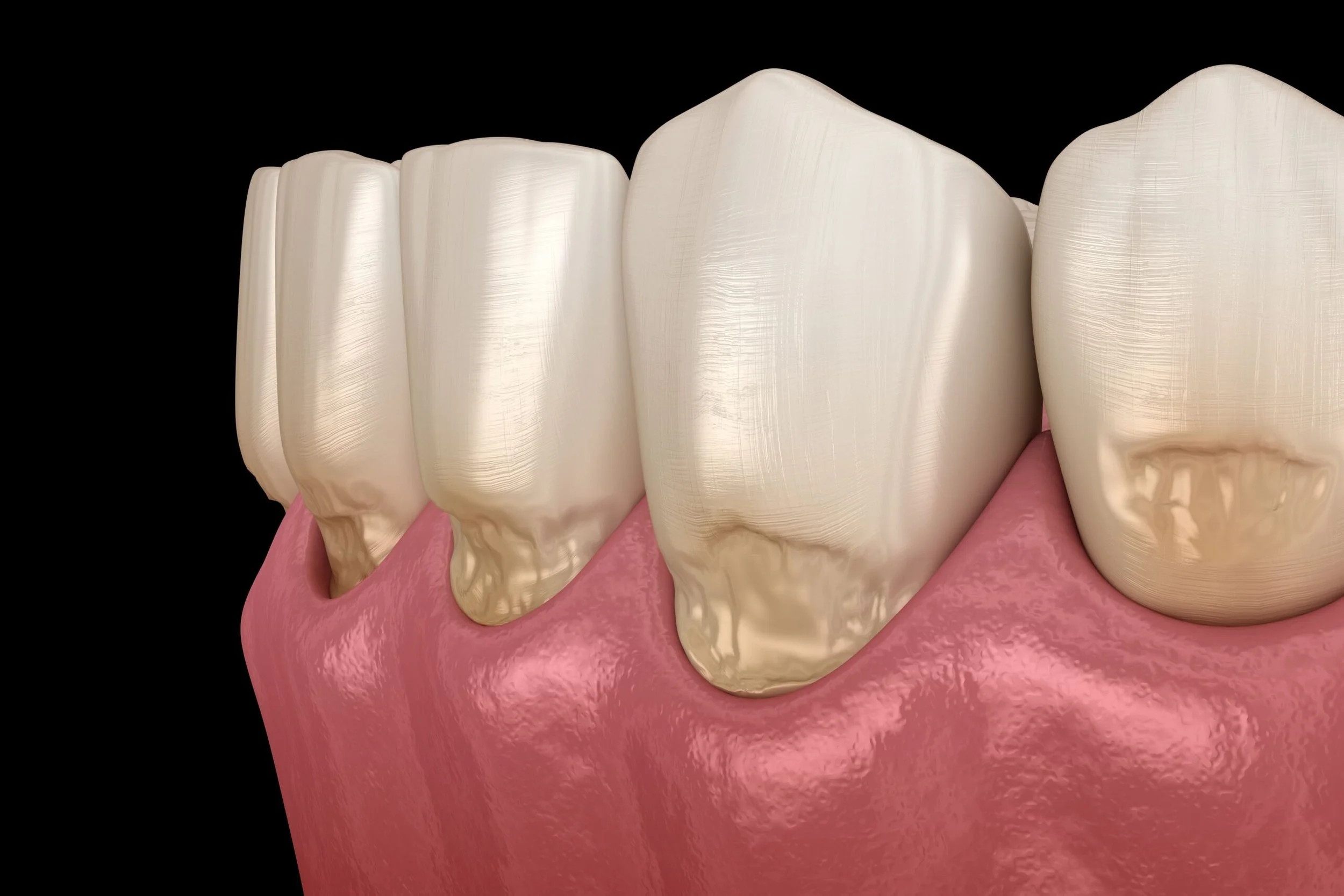
If your teeth are starting to look longer, or you notice your gumline pulling away, that’s gum recession—a warning sign that gum disease is progressing.

What to do:

  • Seek professional advice immediately

  • Ask about scaling and root planing treatments

  • Use toothpaste designed for gum health

5. 🦷 Loose or Shifting Teeth

Advanced gum disease can damage the bone that supports your teeth, leading to loose teeth or changes in how your bite feels.

What to do:

  • Don’t wait—book an emergency dental appointment

  • X-rays may be needed to assess bone loss

  • Early intervention can save your teeth

✅ The Takeaway: Early Detection Saves Smiles

Gum disease is serious—but preventable and treatable. If you're experiencing any of these symptoms, don’t wait. The earlier you catch gum disease, the easier it is to treat.

Top 5 Everyday Habits That Damage Your Teeth: What to Avoid for a Healthy Smile

Introduction

Your daily habits play a big role in your dental health. Some common activities may seem harmless but can cause lasting damage to your teeth. Identifying and changing these habits can save you from pain, cavities, and costly dental work.

1. Teeth Grinding (Bruxism)

Grinding or clenching your teeth, often during sleep, wears down enamel, causes sensitivity, and can lead to jaw pain or TMJ disorders. Consider a custom night guard if you notice symptoms.

2. Using Your Teeth as Tools

Opening bottles, tearing packaging, or biting nails can chip or crack your teeth. Always use proper tools instead of your teeth to avoid unnecessary damage.

3. Frequent Snacking on Sugary or Acidic Foods

Sugary snacks and acidic drinks erode tooth enamel and promote cavities. Limit sugary treats and rinse with water after consuming acidic beverages like soda or citrus juice.

4. Brushing Too Hard or Using a Hard-Bristled Toothbrush

Brushing aggressively or with a hard brush can wear away enamel and irritate gums, leading to sensitivity and gum recession. Use a soft-bristled toothbrush and gentle strokes.

5. Skipping Dental Check-Ups and Cleanings

Neglecting regular dental visits allows plaque buildup and minor problems to worsen. Professional cleanings and exams help catch issues early before they cause damage.

Bonus Tips to Protect Your Teeth

  • Drink plenty of water to wash away food particles

  • Avoid tobacco products which stain and weaken teeth

  • Use fluoride toothpaste to strengthen enamel

Conclusion

Protecting your teeth starts with daily habits. Avoid these common mistakes to keep your smile healthy and strong. If you’re unsure about your dental habits or notice any issues, schedule a check-up with your dentist.

Why You Shouldn’t Ignore a Cracked Tooth: Signs, Risks & Treatment

Introduction

A cracked tooth might seem minor at first, but ignoring it can cause pain, infection, and even tooth loss. Understanding the signs and risks will help you seek timely dental care to protect your smile.

What Is a Cracked Tooth?

A cracked tooth is a fracture that can affect the enamel, dentin, or even extend into the root. Cracks may be tiny and hard to see but can worsen over time due to chewing pressure and daily wear.

Common Signs and Symptoms of a Cracked Tooth

  • Sharp pain when biting or chewing

  • Sensitivity to hot or cold foods and drinks

  • Intermittent pain that comes and goes

  • Swelling or tenderness around the tooth

  • Visible cracks or lines on the tooth surface

Why You Shouldn’t Ignore a Cracked Tooth

Ignoring a cracked tooth can lead to:

  • Infection: Bacteria can enter through the crack, causing decay or abscess.

  • Increased Pain: Cracks may worsen, causing persistent pain and discomfort.

  • Tooth Loss: If untreated, the tooth may fracture severely, requiring extraction.

  • Costly Treatments: Early treatment is less invasive and less expensive than major procedures like root canals or implants.

Treatment Options for a Cracked Tooth

  • Dental Bonding: For minor cracks, bonding fills and seals the crack.

  • Dental Crown: A crown protects and strengthens a cracked tooth.

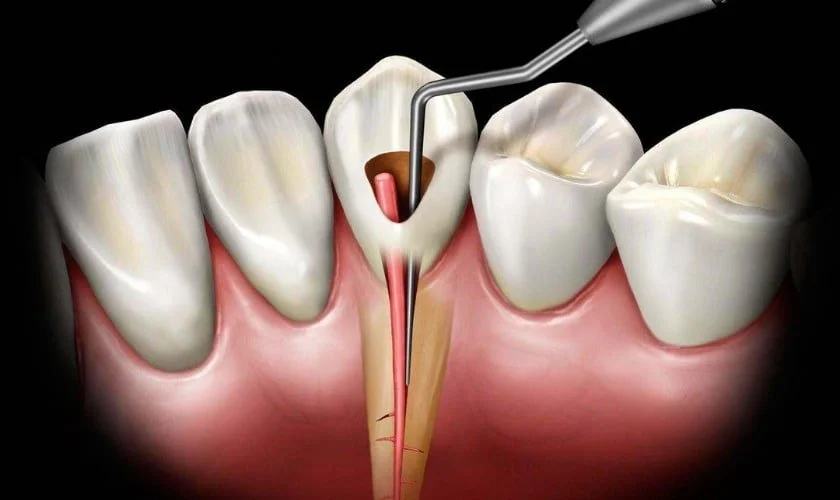
  • Root Canal: Needed if the crack reaches the pulp or causes infection.

  • Extraction: When the crack is too severe, tooth removal may be necessary.

Prevention Tips to Avoid Cracked Teeth

  • Avoid chewing hard foods like ice or nuts

  • Wear a mouthguard if you grind your teeth or play contact sports

  • Don’t use teeth as tools (e.g., opening bottles)

  • Regular dental check-ups to catch cracks early

When to See Your Dentist

If you experience any pain or notice cracks on your teeth, schedule a dental exam immediately to avoid complications.

Conclusion

Don’t let a cracked tooth go unnoticed. Early diagnosis and treatment protect your teeth and save you from more complex dental issues. Reach out to your dentist promptly if you suspect a crack.