What to Do If You Crack a Tooth: Emergency Dental Tips

A cracked tooth can happen when you least expect it—biting into something hard, getting hit in the face, or grinding your teeth at night. It might start with a sharp pain or a sudden sensitivity to hot or cold. No matter the cause, a cracked tooth should never be ignored.

In this blog, we’ll explain:

  • How to recognise a cracked tooth

  • What to do immediately

  • Why prompt dental treatment matters

  • Treatment options your dentist might recommend

How Do I Know If I’ve Cracked a Tooth?

Sometimes the crack is visible. Other times, it’s hidden beneath the surface but causes symptoms like:

  • Sharp pain when biting or chewing

  • Sensitivity to hot, cold, or sweet foods

  • Swelling of the gum around one tooth

  • Intermittent pain that comes and goes

If these symptoms sound familiar, book a dental appointment as soon as possible.

Immediate Steps to Take

If you suspect you’ve cracked a tooth, here’s what you should do:

✅ 1. Rinse Your Mouth Gently

Use warm water to rinse away any debris. Avoid using very cold or hot water if you’re feeling sensitivity.

✅ 2. Apply a Cold Compress

If there’s swelling, apply a cold pack to the outside of your cheek for 10–15 minutes at a time.

✅ 3. Take Pain Relief (If Needed)

Over-the-counter pain relievers like paracetamol or ibuprofen can help reduce discomfort. Avoid chewing on the affected side.

✅ 4. Save the Tooth Fragment (If Any Broke Off)

If a piece of the tooth broke off, keep it in a clean container with milk or saline and bring it to your dentist.

✅ 5. Call Your Dentist Immediately

Cracks can worsen quickly, especially if left untreated. Early intervention can prevent infection and save your tooth.

Why You Shouldn’t Wait

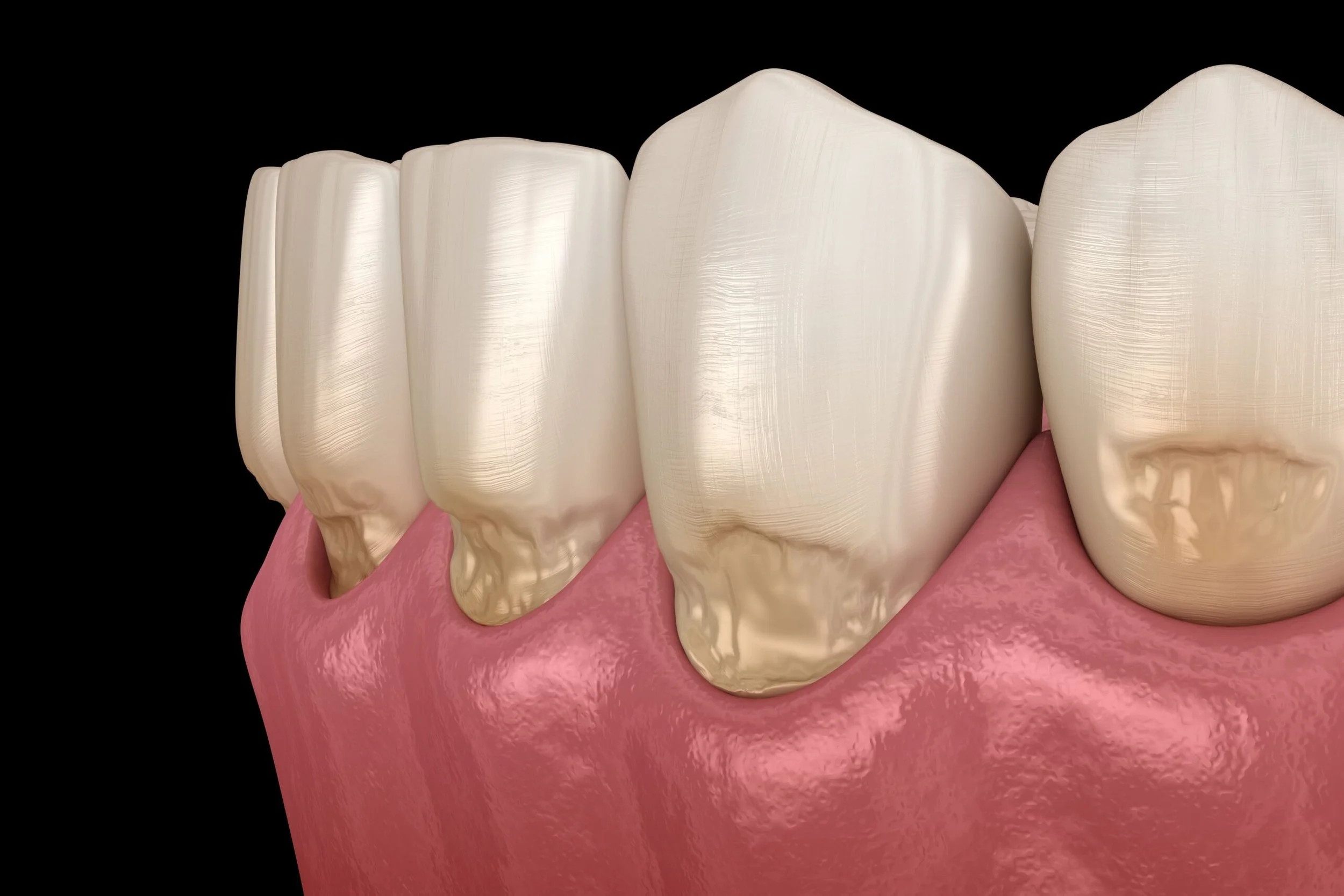
A cracked tooth may look or feel minor at first, but cracks can deepen over time. Without treatment, bacteria can enter the tooth and cause:

  • Infection of the pulp (nerve)

  • Tooth abscess

  • Tooth loss

Treatment Options for a Cracked Tooth

Depending on the location and severity of the crack, your dentist may recommend:

✔️ Composite Filling or Bonding

For small surface cracks or chipped edges.

✔️ Dental Crown

To protect a tooth with a deeper crack or to restore strength and function.

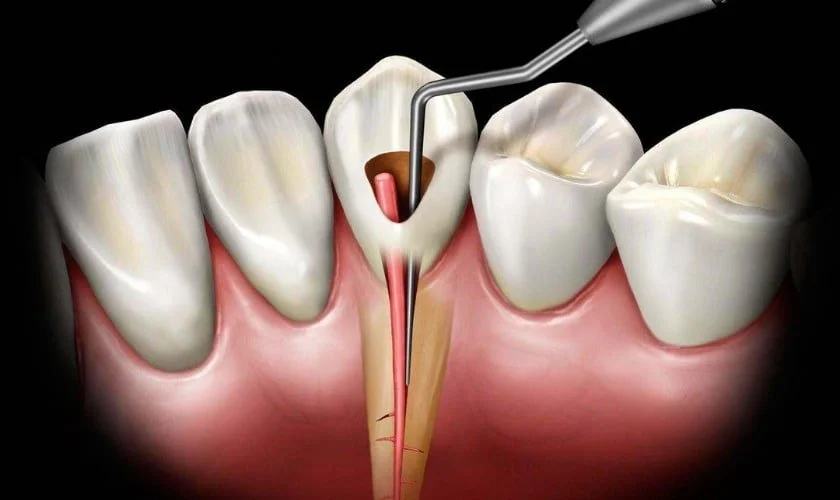
✔️ Root Canal

If the crack extends into the nerve and causes inflammation or infection.

✔️ Tooth Extraction

In severe cases where the crack extends below the gum line, extraction may be necessary. Your dentist will discuss tooth replacement options like implants or bridges.

Preventing Future Tooth Cracks

To protect your teeth from further injury:

  • Avoid chewing ice, pens, or very hard foods

  • Wear a custom mouthguard if you grind your teeth or play contact sports

  • Keep up with regular dental check-ups to catch early signs of wear or damage

Final Thoughts

Cracking a tooth can be painful and stressful, but with prompt dental care, most teeth can be saved. If you're experiencing symptoms or think you've damaged a tooth, don’t delay—contact your dentist as soon as possible.

At [Your Clinic Name], we offer same-day emergency appointments to help you manage dental pain quickly and effectively.

Single Dental Implant: Why It’s the Best Tooth Replacement Option

What Is a Single Dental Implant?

A single dental implant replaces one missing tooth with a titanium post surgically placed into the jawbone. This implant acts as an artificial tooth root and supports a custom-made crown, restoring the tooth’s function and appearance naturally.

Why Choose a Single Dental Implant?

Here’s why a single implant stands out as the best tooth replacement option:

1. Preserves Jawbone Health

When a tooth is lost, the jawbone can shrink over time. An implant stimulates the bone just like a natural tooth root, preventing bone loss and preserving facial structure.

2. Protects Adjacent Teeth

Unlike traditional bridges, implants don’t require grinding down neighboring healthy teeth for support, preserving their natural strength.

3. Natural Look and Feel

Implants look, feel, and function like your own teeth, allowing you to eat, speak, and smile confidently.

4. Long-Lasting Durability

With proper care, implants can last a lifetime, making them a cost-effective solution over the long term.

5. Improved Comfort

Since implants fuse with your jawbone, they eliminate the discomfort and slipping issues often associated with dentures.

The Single Dental Implant Procedure

  1. Consultation and Imaging

    • Your dentist will evaluate your oral health and take X-rays or 3D scans.

  2. Implant Placement

    • A titanium post is surgically inserted into the jawbone.

  3. Healing Period

    • Osseointegration occurs over 3–6 months as the bone grows around the implant.

  4. Crown Placement

    • A custom crown is attached to the implant, completing the restoration.

Caring for Your Single Dental Implant

Good oral hygiene is essential:

  • Brush twice daily and floss regularly

  • Visit your dentist for regular check-ups

  • Avoid smoking and excessive alcohol

What Is a Dental Implant Bridge? Your Guide to Tooth Replacement

What Is a Dental Implant Bridge?

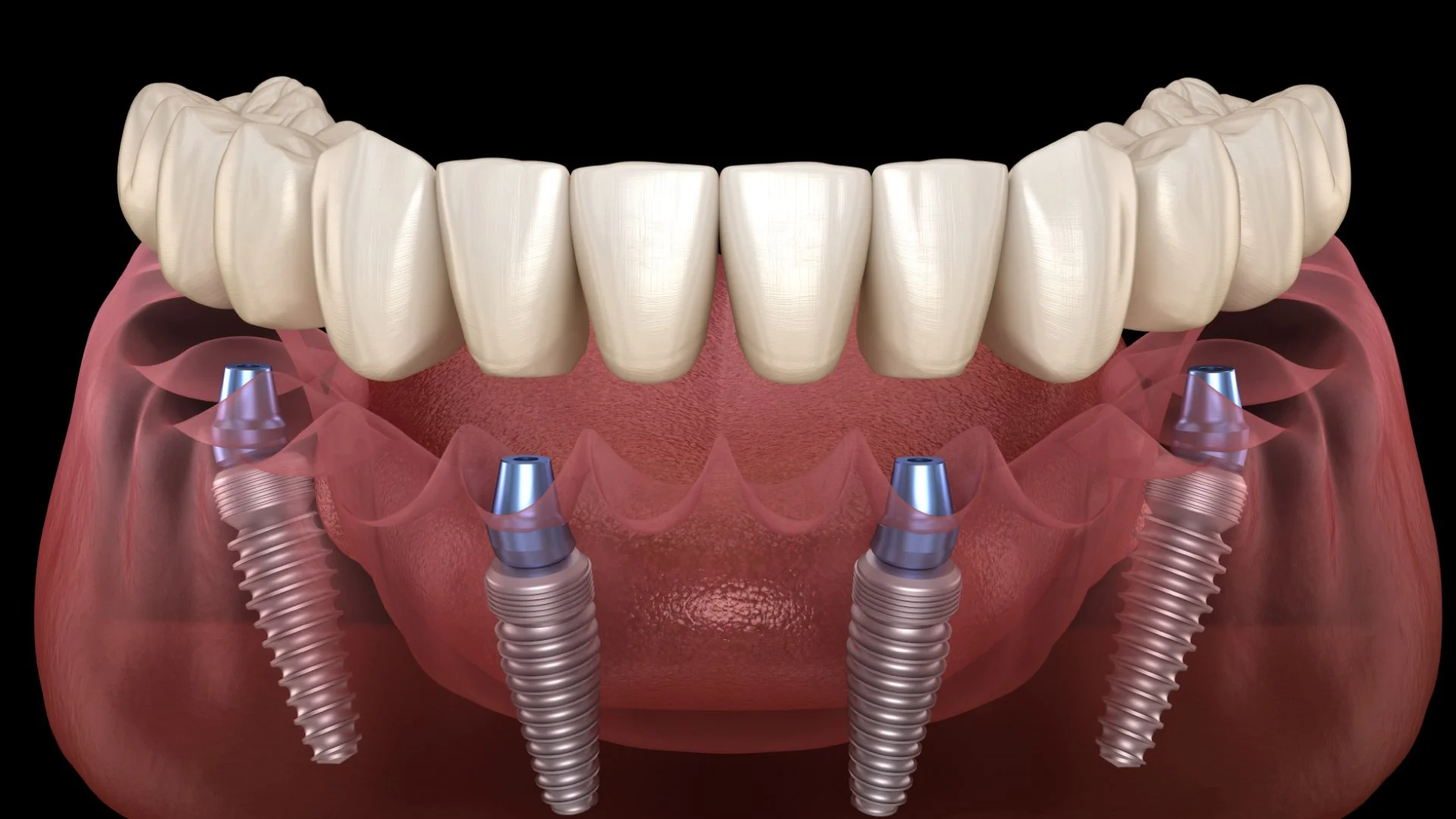
A dental implant bridge combines dental implants and a fixed dental bridge to replace multiple missing teeth. Instead of placing an implant for every missing tooth, implants are placed strategically to support a bridge, restoring function and appearance.

This option offers a durable, natural-looking alternative to removable dentures.

When Is a Dental Implant Bridge Recommended?

You might consider an implant bridge if you:

  • Have several missing teeth in a row

  • Want a permanent, non-removable tooth replacement

  • Prefer to avoid removable partial dentures

  • Have enough bone to support implants or can have bone grafting

  • Desire improved chewing function and aesthetics

How Does It Work?

The dentist places two or more implants in the jaw where teeth are missing. Once healed, these implants act as anchors to hold the bridge firmly in place. The bridge consists of artificial teeth (pontics) connected to crowns on the implants.

Benefits of a Dental Implant Bridge

  • ✅ Restores chewing and speaking abilities

  • ✅ Prevents bone loss and maintains facial structure

  • ✅ Durable and long-lasting compared to dentures

  • ✅ No need to alter healthy adjacent teeth (unlike traditional bridges)

  • ✅ Improves smile confidence and oral health

The Procedure: What to Expect

  1. Consultation & Planning

    • Digital imaging and bone assessment

  2. Implant Placement

    • Surgery to place implants in the jawbone

    • Healing time for osseointegration (3–6 months)

  3. Bridge Placement

    • Custom bridge is fabricated and attached to implants

  4. Follow-Up Care

    • Regular dental visits for check-ups and cleaning

Caring for Your Implant Bridge

Proper oral hygiene is essential:

  • Brush twice daily with a soft toothbrush

  • Floss or use interdental brushes around implants

  • Avoid hard foods that can damage the bridge

  • Regular dental check-ups and professional cleanings