All-on-6 Dental Implants: A Complete Guide to Full-Arch Restoration

What Are All-on-6 Dental Implants?

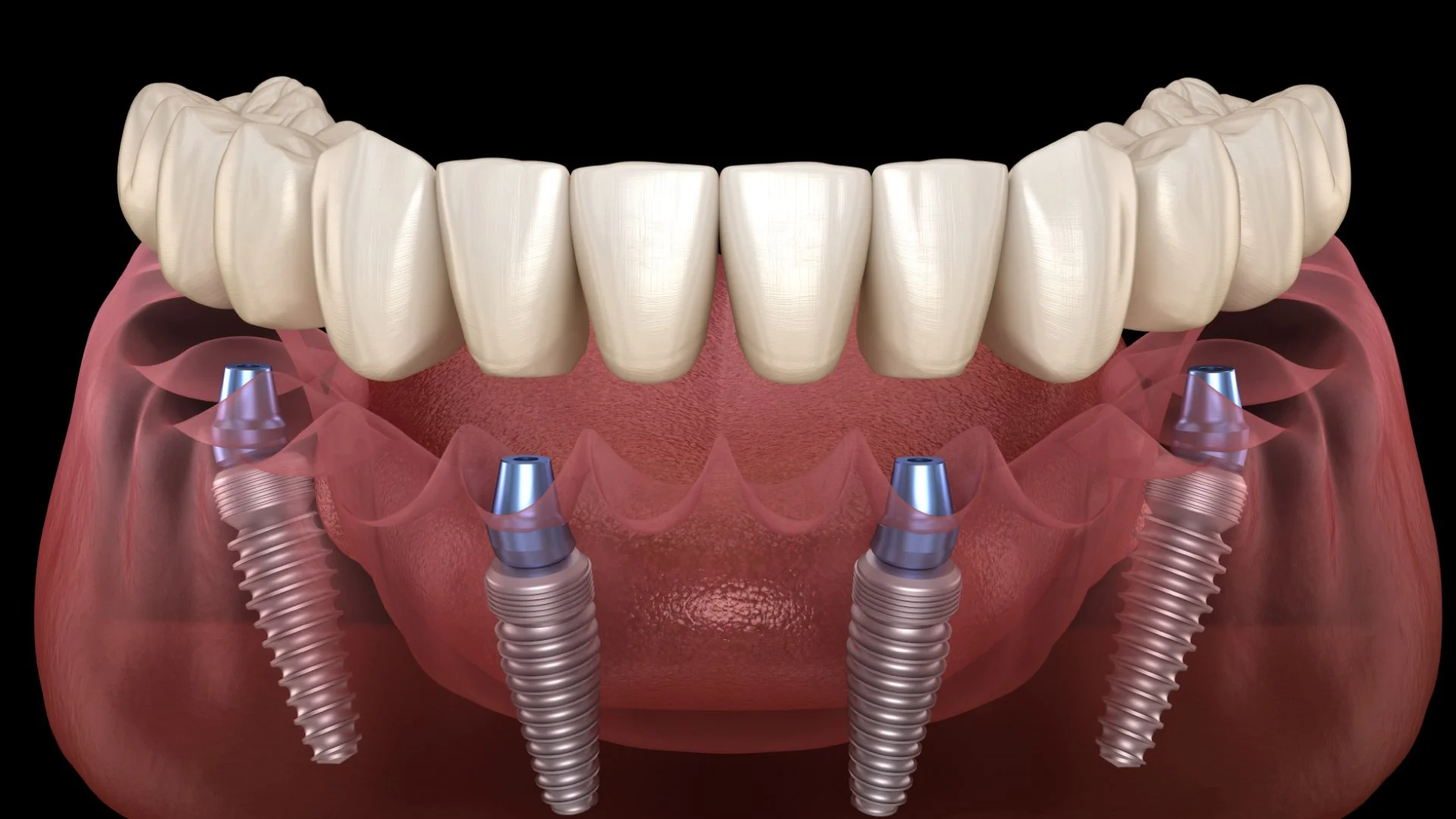
All-on-6 dental implants are an advanced full-arch tooth replacement solution that uses six strategically placed implants to support a fixed prosthetic bridge. This technique offers a permanent, stable alternative to dentures—ideal for people who have lost most or all of their teeth.

Unlike traditional implants that replace teeth one-by-one, All-on-6 supports an entire arch of teeth with fewer implants and faster results.

Who Is a Candidate for All-on-6?

You may be a good candidate if you:

  • Are missing multiple or all teeth in the upper or lower jaw

  • Have enough bone density to support implants (or are eligible for bone grafting)

  • Are looking for a permanent, non-removable alternative to dentures

  • Want to restore full function and aesthetics to your smile

A full consultation and 3D imaging will help determine if All-on-6 is right for you.

Benefits of All-on-6 Implants

Permanent, non-removable solution
Prevents jawbone loss
Stronger bite and chewing ability
No slipping like traditional dentures
Natural-looking smile
Improved facial structure and confidence

What’s the Procedure Like?

The treatment typically involves the following steps:

  1. Initial Consultation

    • Digital scans, X-rays, and treatment planning

  2. Implant Placement Surgery

    • Six titanium implants are inserted into the jawbone

    • A temporary fixed bridge may be placed the same day

  3. Healing Period (3–6 Months)

    • Implants integrate with your bone (osseointegration)

  4. Final Prosthesis

    • A custom-designed permanent bridge is attached

How Is All-on-6 Different from All-on-4?

While both systems restore a full arch, All-on-6 provides more support and stability, especially for patients with good bone density. The extra implants distribute pressure more evenly, which may increase the longevity of the restoration.

Recovery and Aftercare

Recovery varies, but most patients:

  • Resume normal activities within a few days

  • Experience mild swelling or soreness

  • Must follow soft food diets for the first few weeks

  • Require regular hygiene maintenance to ensure long-term success

How Long Do All-on-6 Implants Last?

With proper care, All-on-6 implants can last 15–25 years or longer. Daily brushing, flossing, and routine dental check-ups are key to maintaining their health and function.

What Are Dental Crowns? When You Need One and What to Expect

What Is a Dental Crown?

A dental crown is a custom-made cap that covers a damaged or weakened tooth to restore its shape, strength, and appearance. It acts like a helmet, protecting the tooth underneath while blending in with your natural smile.

When Do You Need a Dental Crown?

Dental crowns are used for both restorative and cosmetic purposes. Your dentist may recommend a crown if you:

  • Have a cracked, broken, or worn-down tooth

  • Need to cover a large filling where little natural tooth remains

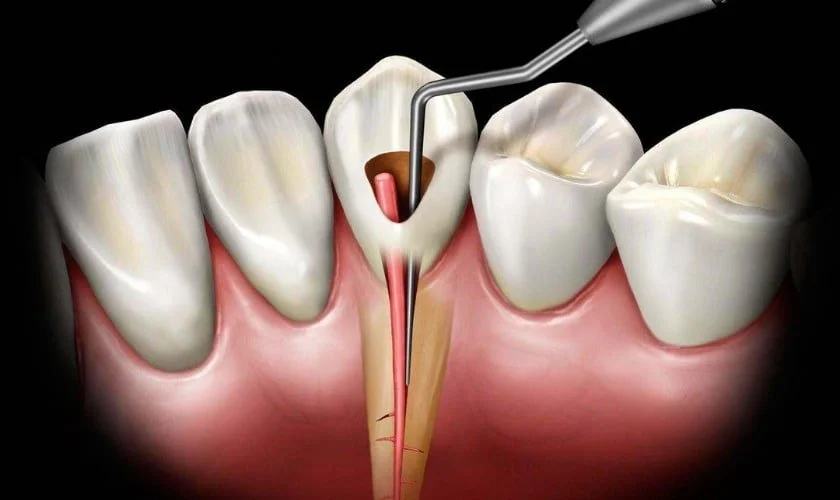
  • Have had a root canal treatment

  • Want to improve the appearance of a misshapen or discoloured tooth

  • Are protecting a dental implant or securing a dental bridge

Types of Dental Crowns

There are several types of crowns, and the right one depends on your needs:

  1. Porcelain or Ceramic Crowns

    • Best for front teeth

    • Natural appearance

    • Metal-free

  2. Porcelain Fused to Metal (PFM)

    • Strong and durable

    • Better for back teeth

  3. Gold or Metal Alloy Crowns

    • Extremely durable

    • Long-lasting for molars

  4. Zirconia Crowns

    • Strong and aesthetic

    • Great for people with metal allergies

What to Expect During the Procedure

Getting a dental crown usually takes two visits:

Visit 1: Tooth Preparation

  • Tooth is reshaped and cleaned

  • Impressions are taken

  • A temporary crown is placed

Visit 2: Crown Placement

  • The final crown is fitted, adjusted, and cemented into place

Tip: Some clinics offer same-day crowns using digital scanning and in-house milling technology.

How Long Do Crowns Last?

With proper care, dental crowns can last 10 to 15 years or even longer. To extend their life:

  • Practice good oral hygiene

  • Avoid hard or sticky foods

  • Visit your dentist regularly

Pros and Cons of Dental Crowns

Pros
✔ Strengthens and protects damaged teeth
✔ Looks natural
✔ Durable and long-lasting

Cons
➖ Slightly more costly than fillings
➖ Requires reshaping of the tooth
➖ May need replacement over time

How to Help Kids Overcome Fear of the Dentist

Helping Kids Feel Comfortable at the Dentist

A visit to the dentist doesn’t have to be scary—especially for children. Yet many kids experience dental anxiety, which can make check-ups difficult for both child and parent. The good news? With the right approach, kids can learn to feel calm and even enjoy dental visits.

Here are 7 proven tips to help your child overcome fear of the dentist.

1. 🏠 Start Early and Make It Routine

Introduce dental visits by their first birthday or within six months of their first tooth. Early experiences help your child get used to the dental environment before fear has a chance to form.

Tip: Frame the visit as a fun, normal part of growing up—like going to the park or doctor.

2. 📚 Use Kid-Friendly Books and Shows

Storybooks and cartoons about dental visits help demystify the experience. Look for content with friendly characters visiting the dentist and getting rewarded for bravery.

Try titles like:

  • Peppa Pig: Dentist Trip

  • The Berenstain Bears Visit the Dentist

3. 🧸 Play Pretend at Home

Turn dental visits into a fun game. Use a toothbrush and a stuffed animal to "check teeth" and explain what will happen during the real appointment.

Pro tip: Let your child play the “dentist” so they feel more in control.

4. 😊 Choose a Kid-Friendly Dentist

A paediatric or family dentist experienced with children makes a huge difference. Look for a clinic with a warm, welcoming atmosphere, gentle staff, and maybe even toys or cartoons in the waiting area.

Ask: Does the dentist explain procedures in a child-friendly way?

5. 🗣️ Use Positive Language

Avoid scary words like "pain," "needle," or "drill." Instead, say things like:

  • “The dentist will count your teeth.”

  • “They’ll clean your smile so it’s super shiny.”

Avoid: Over-reassuring ("It won't hurt!")—this may create suspicion.

6. 🎁 Offer Praise and Small Rewards

Celebrate bravery! Whether it’s a sticker, an ice cream after the visit (sugar-free if possible!), or just lots of praise, rewards help kids associate dental visits with positive outcomes.

7. ❤️ Be Calm and Supportive

Your child picks up on your emotions. Stay relaxed, smile, and offer reassurance without making a big fuss. If you’re anxious, they might be too.

🦷 Keep It Up: Consistency Builds Confidence

The more often your child visits the dentist, the more familiar and comfortable they’ll become. Most kids should visit every 6 months for check-ups and cleans.