Dental Veneers vs Composite Bonding: What’s Best for Your Smile?

When it comes to improving your smile, two popular cosmetic dental treatments often come up: dental veneers and composite bonding. Both can transform your teeth’s appearance, but which one is the best choice for you? This guide explains the differences, benefits, and what to expect from each treatment so you can make an informed decision.

🦷 What Are Dental Veneers?

Dental veneers are thin porcelain shells custom-made to cover the front surface of your teeth. They’re designed to:

  • Correct discolouration

  • Fix chips or cracks

  • Close small gaps

  • Improve shape and length

Veneers are strong, stain-resistant, and long-lasting, typically lasting 10–15 years or more with good care.

🛠️ What Is Composite Bonding?

Composite bonding uses a tooth-coloured resin material applied directly to your teeth to repair:

  • Minor chips and cracks

  • Small gaps

  • Discolouration

  • Slightly misshapen teeth

The resin is sculpted and hardened with a special light, usually completed in one visit. Bonding is less invasive and generally more affordable than veneers but may last 5–7 years.

🔍 Key Differences

FeatureDental VeneersComposite BondingMaterialPorcelainComposite resinDurability10-15+ years5-7 yearsStain ResistanceHighModerateProcedure Time2-3 visitsUsually 1 visitTooth PreparationRequires enamel removalMinimal to no enamel removalCostHigherLowerRepairabilityDifficult to repair; may need replacementEasy to repair or touch-up

🦷 Which One Is Right for You?

Choose veneers if you want:

  • A long-lasting, durable smile makeover

  • Significant changes in tooth shape or colour

  • Resistance to staining (coffee, tea, smoking)

Choose composite bonding if you want:

  • A quicker, less expensive solution

  • Minimal enamel removal

  • To fix small cosmetic issues without major alterations

Your dentist will consider your oral health, budget, and aesthetic goals before recommending the best option.

🧼 Caring for Veneers and Bonding

Both treatments require:

  • Good oral hygiene (brushing, flossing)

  • Avoiding biting hard objects

  • Regular dental check-ups

Veneers are more resistant to stains, but bonding may need occasional polishing or repairs.

Final Thoughts

Both dental veneers and composite bonding offer excellent ways to improve your smile. Understanding the differences helps you choose a treatment that fits your needs, lifestyle, and budget.

Consult your dentist to discuss your smile goals and find out which option is best for you.

Root Canal Treatment: A Safe and Effective Way to Save Your Tooth

When people hear the words “root canal,” they often imagine pain and stress. But thanks to modern techniques and advanced materials, root canal therapy is now a safe, effective, and often pain-relieving procedure that can save a tooth that would otherwise need to be extracted.

In this post, we’ll explain:

  • What a root canal actually is

  • Why it’s needed

  • What to expect during treatment

  • How it helps preserve your natural smile

🧠 What Is a Root Canal Treatment?

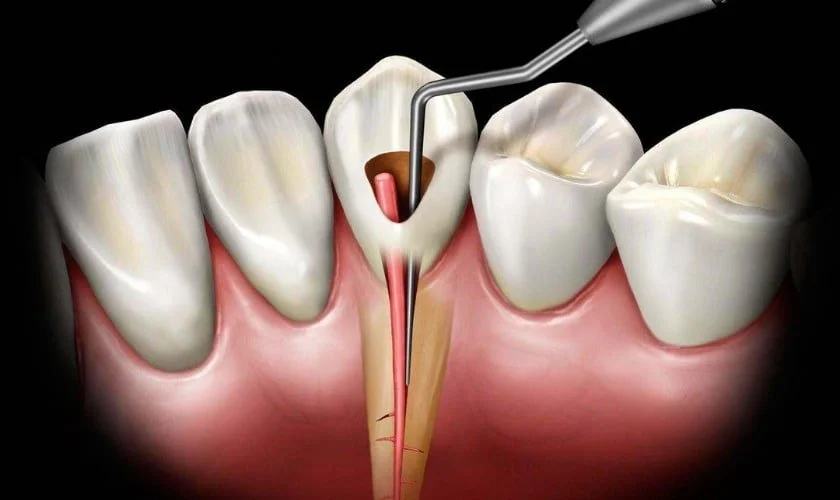
A root canal is a dental procedure that removes infected or inflamed tissue (pulp) from inside your tooth. The space is then disinfected, sealed, and restored—usually with a crown.

It’s used to treat:

  • Deep decay

  • Cracked or broken teeth

  • Repeated dental work on the same tooth

  • Trauma to the tooth (even without visible cracks)

⚠️ Why You Might Need a Root Canal

Some signs you may need a root canal include:

  • Persistent tooth pain

  • Sensitivity to hot or cold that lingers

  • Swollen gums near one tooth

  • A pimple-like bump on the gums

  • Darkening of the tooth

If the infection is left untreated, it can spread, causing an abscess or leading to tooth loss.

Root Canals Are NOT as Scary as You Think

One of the biggest myths about root canals is that they are painful. In reality, the procedure is similar to getting a deep filling. Thanks to local anaesthetic and modern tools, most patients feel minimal discomfort—and many feel instant relief from pain caused by the infection.

🔬 How Root Canal Treatment Works

  1. Anaesthesia: The area is fully numbed.

  2. Cleaning: A small opening is made to access the pulp. Infected tissue is gently removed.

  3. Disinfection: The inside of the root canal is cleaned and sterilised.

  4. Filling & Sealing: The space is filled with a biocompatible material.

  5. Restoration: Usually, a crown is placed to protect the tooth long-term.

The procedure may take one or two visits depending on the complexity.

🦷 Why Saving Your Tooth Matters

Preserving your natural tooth helps maintain:

  • A natural-looking smile

  • Normal chewing function

  • Jawbone strength

  • Alignment of surrounding teeth

Tooth extraction may seem easier, but it often leads to more expensive treatments like implants or bridges. A root canal lets you keep your natural tooth for years—even a lifetime.

🛡️ Is It Safe?

Yes. Root canal therapy has been safely performed for decades and has a success rate of over 90%. At [Your Clinic Name], we use the latest techniques and digital imaging to ensure precise, gentle care.

🧼 Aftercare and Recovery

  • Mild soreness is common for a few days

  • Over-the-counter pain relief usually helps

  • Avoid chewing hard foods on the treated tooth until the final crown is placed

  • Maintain regular brushing, flossing, and dental visits

💬 Final Thoughts

Root canal treatment is not something to fear—it’s something to be thankful for. It allows you to save your tooth, eliminate infection, and avoid more invasive options.

If you’re experiencing tooth pain or sensitivity, don’t delay. Early diagnosis makes treatment easier, more comfortable, and more successful.

Worn Teeth and Composite Build-Ups: What You Need to Know

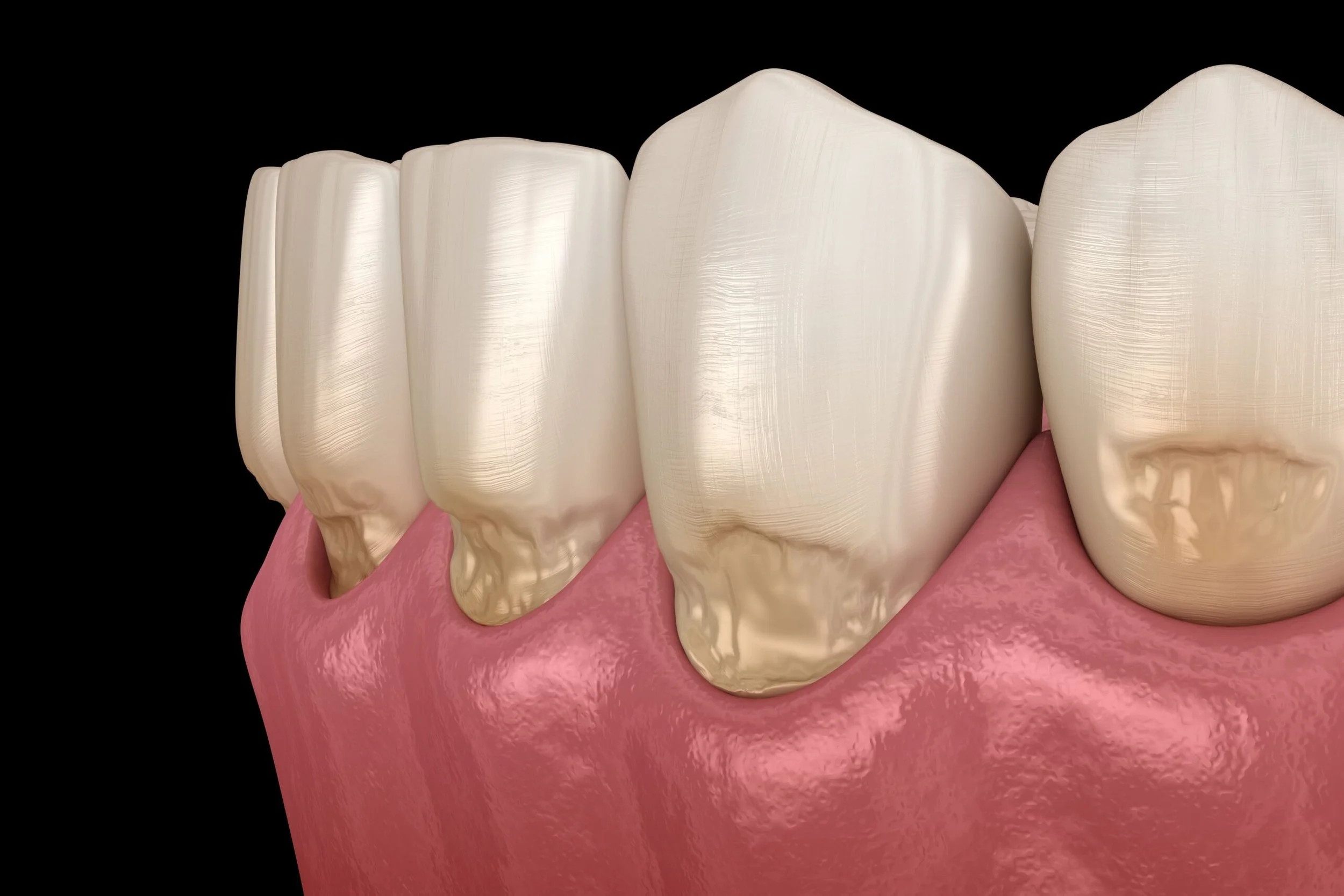
Do your teeth look shorter than they used to? Do they feel flat, chipped, or uneven? If so, you may be experiencing tooth wear, a common dental issue that often goes unnoticed—until it starts affecting your smile, bite, or comfort.

In this article, we’ll explain:

  • What causes worn teeth

  • Why it matters for your bite and long-term health

  • How composite build-ups can restore your teeth without invasive procedures

🦷 What Are Worn Teeth?

Worn teeth occur when the outer layer of enamel is gradually eroded or lost. This can happen due to:

Common Causes:

  • Teeth grinding (bruxism) — often during sleep

  • Acid erosion from diet (soft drinks, citrus), reflux, or eating disorders

  • Improper brushing with excessive force

  • A misaligned bite, putting pressure on certain teeth more than others

  • Age-related wear

Left untreated, worn teeth can lead to:

  • Tooth sensitivity

  • Jaw pain and TMJ issues

  • A collapsed bite or aged facial appearance

  • Difficulty chewing

🛠️ What Are Composite Build-Ups?

Composite build-ups use a tooth-coloured resin material to reshape and rebuild worn, chipped, or flattened teeth. It’s a minimally invasive option that helps restore both function and aesthetics.

Key Benefits:

  • No need to drill down healthy tooth structure

  • Restores your bite to a balanced, natural position

  • Can reduce TMJ strain and jaw muscle pain

  • Matches your natural tooth colour

  • Usually completed in 1–2 visits

🔍 Who Needs Composite Build-Ups?

You may be a candidate if:

  • Your teeth are visibly worn, chipped, or flattened

  • You suffer from jaw discomfort or headaches linked to bite problems

  • You’ve had orthodontic treatment that changed your bite

  • You clench or grind your teeth at night

A dental exam and bite assessment can determine if composite build-ups are the right solution for you.

🧠 Did You Know?

In many cases, composite build-ups are used in TMJ treatment to create a stable bite. When the teeth no longer meet properly, the jaw joints and muscles work harder—leading to pain and dysfunction. Rebuilding the bite can reduce muscle strain and help stabilize splint therapy results.

🛑 Is It a Permanent Solution?

Composite material can wear over time, especially in heavy grinders. You may eventually need:

  • Maintenance touch-ups

  • Reinforcement with porcelain crowns or veneers

  • A night splint to protect your restorations

Your dentist will guide you through a long-term care plan.

🪥 How to Care for Composite Build-Ups

  • Maintain excellent oral hygiene

  • Avoid biting hard objects like pens or ice

  • Wear a nightguard if recommended

  • Attend regular check-ups to monitor the build-ups and your bite

Final Thoughts

Tooth wear is more than a cosmetic issue—it’s a functional problem that can affect your bite, jaw, and long-term oral health. Composite build-ups offer a conservative and effective solution to restore your teeth and relieve symptoms.

If you’re noticing signs of wear or discomfort, speak with your dentist about whether composite build-ups might be right for you.