The Truth About Flossing: Why It's More Important Than You Think

Flossing. It’s that one word in dental care that often gets shrugged off or conveniently forgotten. Many people admit to skipping it entirely or only doing it the night before a dental appointment. But here’s the truth: flossing is just as important as brushing—if not more in some cases.

Why Flossing Matters

Your toothbrush can clean the front, back, and chewing surfaces of your teeth, but it can’t reach the tight spaces between them. That’s where plaque and food particles love to hide. Over time, this buildup can lead to:

  • Gum disease (gingivitis and periodontitis)

  • Tooth decay

  • Bad breath

  • Tartar formation, which can only be removed professionally

Flossing once a day helps remove this hidden debris and disrupts the formation of plaque before it hardens into tartar.

Flossing and Gum Health

Bleeding when you floss might seem like a reason to stop—but in fact, it’s a sign you should keep going. Bleeding gums are usually a result of inflammation caused by plaque buildup. With regular flossing, inflammation typically subsides within a week or two.

Think of flossing as giving your gums a mini-workout: at first, they might protest, but with consistency, they become healthier and stronger.

Manual Floss, Floss Picks, or Water Flossers?

There’s no one-size-fits-all. Here’s a quick guide:

  • Traditional floss (waxed or unwaxed): Best for tight contacts and precise control.

  • Floss picks: Great for convenience, especially when you're on the go.

  • Water flossers: Ideal for people with braces, bridges, or dexterity issues. They're not a replacement for floss but can be a helpful addition.

The best kind of floss? The one you’ll actually use.

How to Floss Properly (It’s Simpler Than You Think)

  1. Break off about 45 cm (18 inches) of floss.

  2. Wind most of it around your middle fingers, leaving about 5 cm (2 inches) to work with.

  3. Gently slide it between your teeth using a sawing motion.

  4. Curve the floss into a C-shape around each tooth and move it up and down.

  5. Move to the next tooth using a clean part of the floss!

  6. Don’t forget to floss behind your back teeth too!

Make It a Habit, Not a Hassle

The key to successful flossing is consistency. Whether you do it in the morning, at night, or even while watching TV, find a time that works for you and stick with it. If you’re starting late, don’t worry—it’s never too late to improve your oral health.

Final Thoughts

Flossing might not be glamorous, but it’s a powerful habit with long-term benefits. Just a few minutes a day can save you from costly dental procedures, discomfort, and gum disease down the road. So, next time you’re tempted to skip it, remember: your future self (and your dentist) will thank you.

At Pain Free Dentist Sydney, we offer gentle, judgment-free care and real solutions to get your confidence back on track.

📍 Visit us at G1a, 570 New Canterbury Road, Hurlstone Park NSW
📞 Call us on (02) 9558 8988
📧 Or email us at info@painfreedentistsydney.com.au

Smile bright—floss tonight! 🦷✨

🦷 What Causes Bad Breath? How Your Dentist Can Help

Bad breath, or halitosis, is more common than you think—and it’s not just about what you ate for lunch. If you’re brushing regularly but still struggling with persistent bad breath, the problem could be deeper—and dental.

At Pain Free Dentist Sydney, we help patients uncover the real cause of bad breath and provide lasting solutions, not just mints or mouthwash.

💡 What Causes Bad Breath?

1. Poor Oral Hygiene

When plaque builds up around your teeth and gums, bacteria release volatile sulfur compounds—those are the smelly gases that cause bad breath. If you’re not brushing twice a day and flossing daily, food particles stay trapped and rot, especially between teeth or under the gumline.

2. Gum Disease

Gingivitis or periodontitis (advanced gum disease) can lead to deep gum pockets that harbor bacteria. These bacteria thrive in oxygen-poor environments and produce strong odors. Bad breath may actually be one of the first signs you need a deep clean or gum treatment.

3. Tooth Decay and Infections

Cavities and abscesses don't just cause pain—they can also cause a foul smell. Rotten tooth structure and infected pulp tissues can emit persistent odors even after brushing.

4. Dry Mouth (Xerostomia)

Saliva is your mouth’s natural cleanser. When you’re not producing enough (due to medications, dehydration, or mouth breathing), bacteria multiply quickly, especially on the tongue and cheeks, contributing to that “morning breath” feeling all day long.

5. Tongue Bacteria

The back of your tongue is a hot spot for bacteria buildup. If you’re not using a tongue scraper, you’re missing one of the most common culprits of bad breath.

🔍 How Do Dentists Diagnose Bad Breath?

At our clinic, we take a full-mouth approach:

  • We check your teeth and gums for plaque, tartar, and decay.

  • We inspect your tongue and soft tissues.

  • We ask about your medical history and daily habits.

  • In some cases, we may refer you for further investigation if non-dental causes are suspected (e.g., sinus infections or acid reflux).

✅ Solutions That Actually Work

Here’s how we help our patients tackle bad breath from the source:

✔️ Professional Cleaning

We remove hardened plaque and bacteria that brushing can’t touch—especially beneath the gums.

✔️ Gum Disease Treatment

From non-surgical deep cleaning (scaling and root planing) to antibacterial rinses and lifestyle changes, we tailor treatment to your needs.

✔️ Fillings and Decay Removal

We treat cavities and infections that may be hiding the source of bad odor.

✔️ Oral Hygiene Coaching

We’ll guide you on effective brushing, flossing, and the benefits of a tongue scraper. We also recommend alcohol-free mouthwash that’s gentle on your oral tissues.

✔️ Moisture Matters

If dry mouth is a problem, we recommend saliva stimulants, hydration tips, and products like xylitol gum to keep your mouth fresh and clean.

🧠 It Might Not Be Dental…

If everything looks healthy in your mouth and bad breath persists, we may explore other causes:

  • Sinus issues

  • Tonsil stones

  • Gastroesophageal reflux (GERD)

  • Liver or kidney conditions

  • Diabetes

We work closely with other healthcare professionals to ensure nothing is missed.

🪥 You Don’t Have to Live With Bad Breath

If you’ve been avoiding conversations or feel self-conscious about your breath, it’s time to take the next step. At Pain Free Dentist Sydney, we offer gentle, judgment-free care and real solutions to get your breath—and your confidence—back on track.

📍 Visit us at G1a, 570 New Canterbury Road, Hurlstone Park NSW
📞 Call us on (02) 9558 8988
📧 Or email us at info@painfreedentistsydney.com.au

Gum Disease Treatment in Sydney: Gentle, Holistic Care for Healthy Gums

Gum disease—also known as periodontitis or gingivitis—is a progressive condition caused by bacteria in plaque and tartar. Without treatment, it can lead to gum recession, tooth loss, and even impact your overall health.

At Pain Free Dentist Sydney, we provide gentle, holistic gum disease treatment that not only relieves symptoms but targets the root cause.

Common Signs of Gum Disease

Do you notice any of the following?

✅ Bleeding gums while brushing or flossing
✅ Swollen, red, or sore gums
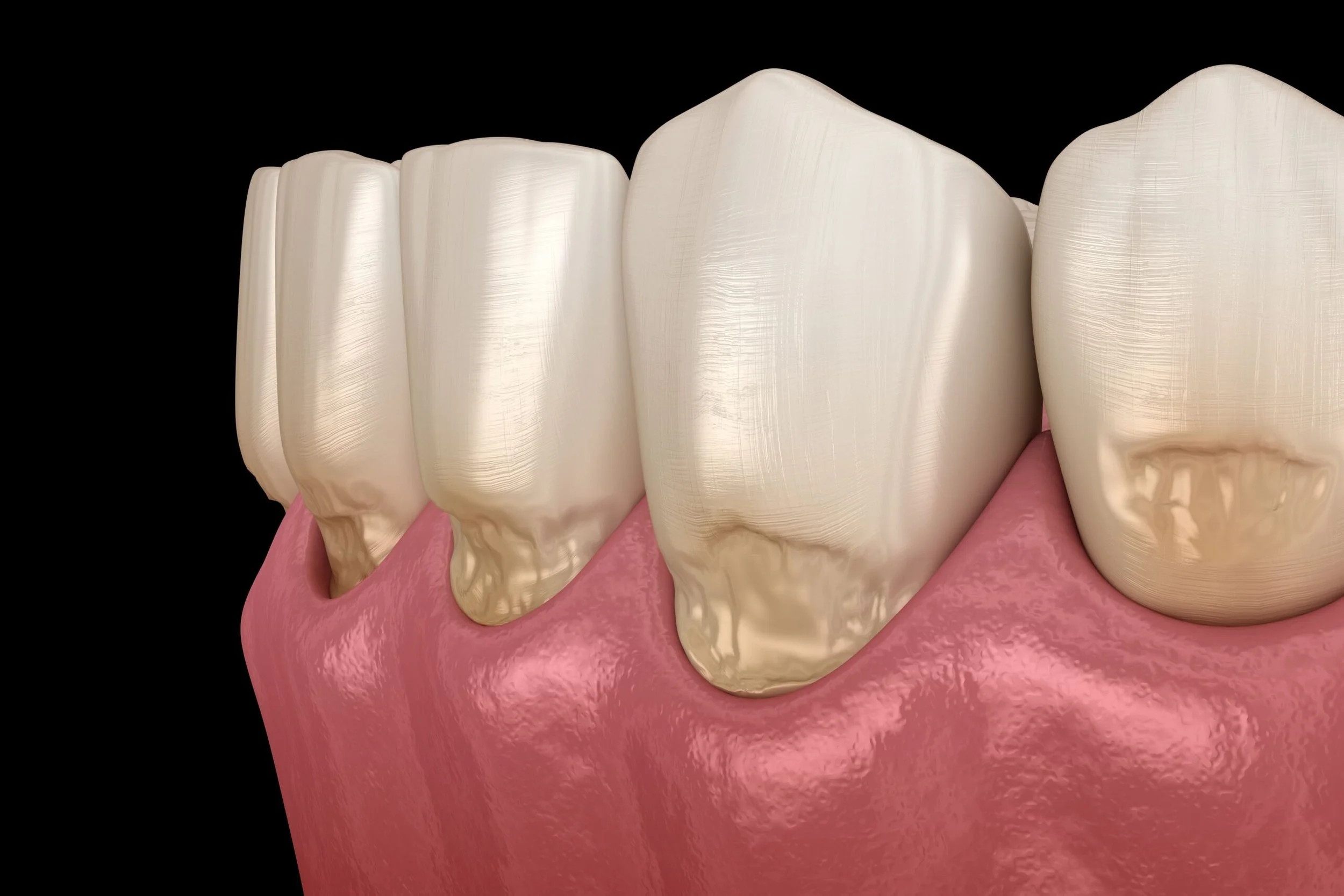
✅ Receding gums or “long” teeth
✅ Chronic bad breath
✅ Loose or shifting teeth

These may indicate gingivitis or advanced periodontitis. Early intervention is crucial to avoid permanent damage.

Our Gum Disease Treatment Options

We customise every treatment plan to your needs, with a focus on pain-free, gentle care.

1. Professional Teeth Cleaning

Ideal for early-stage gum disease (gingivitis), this removes plaque and tartar from the gum line to reduce inflammation.

2. Deep Cleaning (Scaling and Root Planing)

A non-surgical procedure to remove bacteria and smooth root surfaces, allowing gums to heal and reattach.

3. Holistic Gum Therapy

We go beyond the mouth. Our holistic gum disease treatment includes dietary advice, detox support, and natural therapies that encourage healing from within.

4. Laser and Ozone Therapy

Minimally invasive and highly effective at disinfecting gum pockets and speeding up recovery.

5. Ongoing Maintenance

We support you with routine checkups and personalised gum care to maintain long-term oral health.

Why Patients Choose Pain Free Dentist Sydney

  • ✅ Compassionate, experienced team

  • ✅ Located in Hurlstone Park, Inner West Sydney

  • Swollen gums treatment and bleeding gums care

  • Holistic, biocompatible approach

  • ✅ Gentle dental care for anxious patients

  • ✅ Modern technology, pain-free techniques

Book Your Consultation Today

Don’t let gum disease silently damage your smile. Whether you have bleeding gums, swollen gums, or just need a checkup, our team is here to help.

📍 Visit us: G1a, 570 New Canterbury Road, Hurlstone Park NSW
📞 Call us: (02) 9558 8988
📧 Email: info@painfreedentistsydney.com.au

Or book online to start your journey toward healthy gums today.