Dental Veneers: Why They Matter More Than Just a Pretty Smile

When you think of dental veneers, you might picture perfect celebrity smiles—but veneers aren’t just about looks. They can be a life-changing solution for anyone dealing with worn, chipped, stained, or uneven teeth.

Let’s explore what veneers really are, why people choose them, and why they’re more than just cosmetic.

🦷 What are dental veneers?

Veneers are thin, custom-made shells (usually made of porcelain or composite resin) that are bonded to the front of your teeth. They’re designed to improve the appearance of your smile while also protecting the tooth underneath.

Think of them as a fresh surface that gives your teeth a new lease on life—both aesthetically and functionally.

Why do people get veneers?

People choose veneers for a number of reasons, including:

  • Teeth that are chipped or cracked

  • Stains that don’t respond to whitening

  • Gaps between teeth

  • Uneven or worn-down teeth

  • Slightly crooked or misshaped teeth

Sometimes it’s not just one thing—it’s the overall harmony of the smile that veneers can restore.

Are veneers only for looks?

Not at all. While they absolutely enhance your appearance, veneers can also improve your bite and protect weakened teeth. For example:

  • If your teeth have been worn down by grinding, veneers help restore proper length and function.

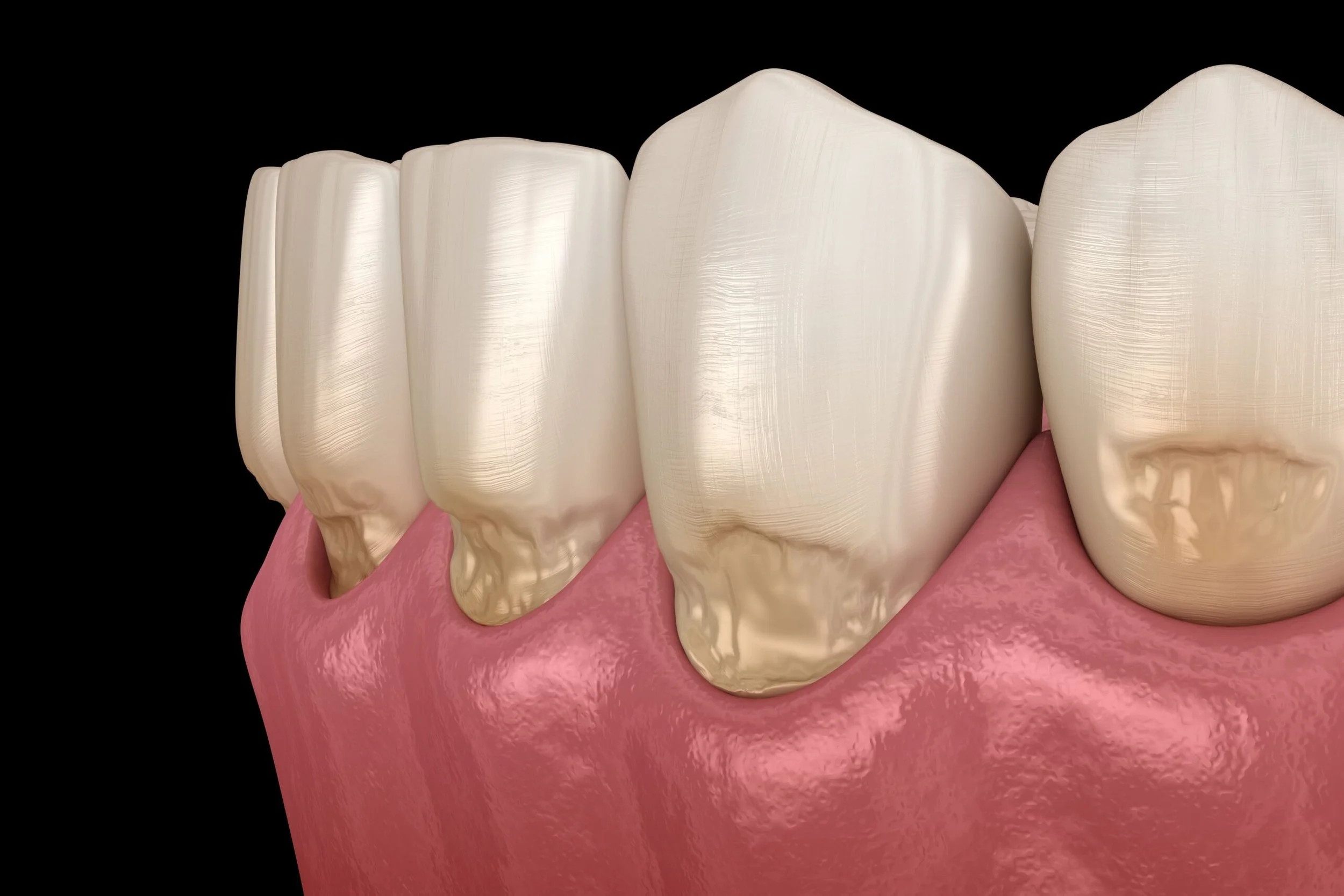
  • If enamel has eroded, veneers act as a protective barrier.

  • If your teeth are uneven, veneers help balance your bite.

A well-aligned bite can even help reduce jaw tension or TMJ symptoms in some cases.

What are the benefits of dental veneers?

Natural-looking smile – Veneers are colour-matched to your surrounding teeth or designed for a brighter, whiter look.
🦷 Durable and stain-resistant – Porcelain veneers are especially strong and resist staining from coffee, wine, or everyday habits.
😄 Immediate transformation – You’ll see a big difference in just a couple of visits.
🛡 Protective layer – Great for teeth that are chipped, sensitive, or worn.
💬 Boost in confidence – Many patients say they feel more comfortable smiling, speaking, or even eating in public.

Are veneers permanent?

Porcelain veneers are considered a long-term solution, typically lasting 10–15 years or more with proper care. Because a small amount of enamel is removed during preparation, they are not reversible, but they are a trusted and predictable treatment.

Composite veneers are a more conservative option and may need touch-ups over time but are still a great choice for certain cases.

What’s the process like?

It’s straightforward:

  1. Consultation & smile planning – We assess your teeth, bite, and goals.

  2. Tooth preparation – A very small layer of enamel is removed (in most cases).

  3. Impressions taken – These go to a lab that custom-crafts your veneers.

  4. Fitting and bonding – Once they’re ready, we place them on your teeth, make small adjustments, and bond them securely.

The result? A natural-looking, radiant smile that suits your face and personality.

Final Thoughts

Dental veneers aren’t just for cosmetic makeovers—they’re for restoring confidence, function, and balance to your smile. Whether you’ve always been self-conscious about your teeth, or your smile has changed over time, veneers can be the key to feeling good about yourself again.

Book a Consultation

Want to find out if veneers are right for you? We’ll assess your smile, walk you through the process, and answer all your questions—honestly and without pressure.

📍 G1a, 570 New Canterbury Road, Hurlstone Park NSW
📞 (02) 9558 8988
📧 info@painfreedentistsydney.com.au

A confident smile can change how you feel, how you speak, and how the world sees you. Let’s make it happen.

Tongue Tie in Adults: What It Is, What It Affects, and Why It’s Worth Treating

Most people associate tongue tie (also called ankyloglossia) with babies. But did you know that many adults are living with undiagnosed tongue tie—and dealing with the symptoms without even realising it?

If you’ve always struggled with jaw tension, speech, or eating comfortably, this might be the missing link.

Let’s break it down in a simple and helpful way.

👅 What is tongue tie?

Tongue tie is when the thin band of tissue (called the lingual frenulum) under your tongue is too short or tight. This limits how far your tongue can move—and in adults, it can lead to real, ongoing issues with speaking, swallowing, breathing, and posture.

Some people grow up compensating with different habits, but those adjustments can lead to long-term problems.

Common signs of tongue tie in adults

Many adults with tongue tie don’t even know they have it. You might notice:

  • Chronic jaw or neck tension

  • Clicking in the jaw (TMJ issues)

  • Struggling to pronounce certain words clearly

  • Snoring or mouth breathing

  • Trouble swallowing pills or dry foods

  • Headaches, especially around the temples

  • Speech fatigue (talking makes your tongue tired)

  • Poor tongue posture (it rests low instead of against the palate)

What complications can it cause?

Left untreated, tongue tie can contribute to:

  • TMJ dysfunction (from muscle overuse and jaw strain)

  • Poor posture (forward head posture or neck misalignment)

  • Digestive issues (from improper chewing or swallowing)

  • Breathing difficulties during sleep (linked with sleep-disordered breathing)

  • Speech problems or low confidence while talking

  • Orthodontic relapse (where teeth shift after braces due to tongue pressure)

It can also impact dental and facial development over time—especially if there’s also a lip tie or narrow palate involved.

How is it treated?

Treatment usually involves a tongue tie release, also called a frenectomy or frenuloplasty. This is a minor procedure where the tight tissue is released to allow full tongue movement.

In adults, this is often combined with:

  • Myofunctional therapy (to retrain the tongue and breathing habits)

  • Jaw or cranial work (to address existing strain or misalignment)

It’s quick, safe, and usually done with laser or scissors depending on your case.

What are the benefits of treating tongue tie as an adult?

This can be life-changing. Many patients report:

  • Easier speech and clearer pronunciation

  • Improved breathing—especially at night

  • Less tension in the jaw, neck, and shoulders

  • Better tongue posture (which supports better facial and dental health)

  • Relief from chronic TMJ issues or clenching

  • Greater awareness and control of oral habits

It’s not just about the tongue—it’s about unlocking a ripple effect of positive changes throughout the body.

Will I notice the difference immediately?

Many people feel a difference within minutes or days, especially with mobility and tension. However, because the body has been compensating for years, ongoing support (like myofunctional therapy, physio, or jaw alignment treatment) is often part of the journey.

Think of it as resetting your system—it takes time, but it’s worth it.

Final Thoughts

If you’ve been struggling with chronic tension, speech challenges, or jaw issues and nothing quite adds up—don’t overlook the possibility of a tongue tie. You’re not too old to treat it, and the results can be surprisingly powerful.

Want to Know More?

We assess tongue tie with a full functional and anatomical evaluation. If you’re a candidate, we’ll talk through treatment options and support you every step of the way.

📍 G1a, 570 New Canterbury Road, Hurlstone Park NSW
📞 (02) 9558 8988
📧 info@painfreedentistsydney.com.au

Let’s find the root of the issue and help you feel good in your body again.

All-on-6 Dental Implants: A New Smile That Feels Like Your Own

Missing most (or all) of your teeth? Struggling with loose dentures or embarrassed about smiling? You're not alone—and thankfully, there’s a reliable solution that can truly transform your life: All-on-6 dental implants.

Let’s walk through what this treatment is, how it works, and what you should know—answered in a friendly, no-fuss way.

🦷 What is All-on-6?

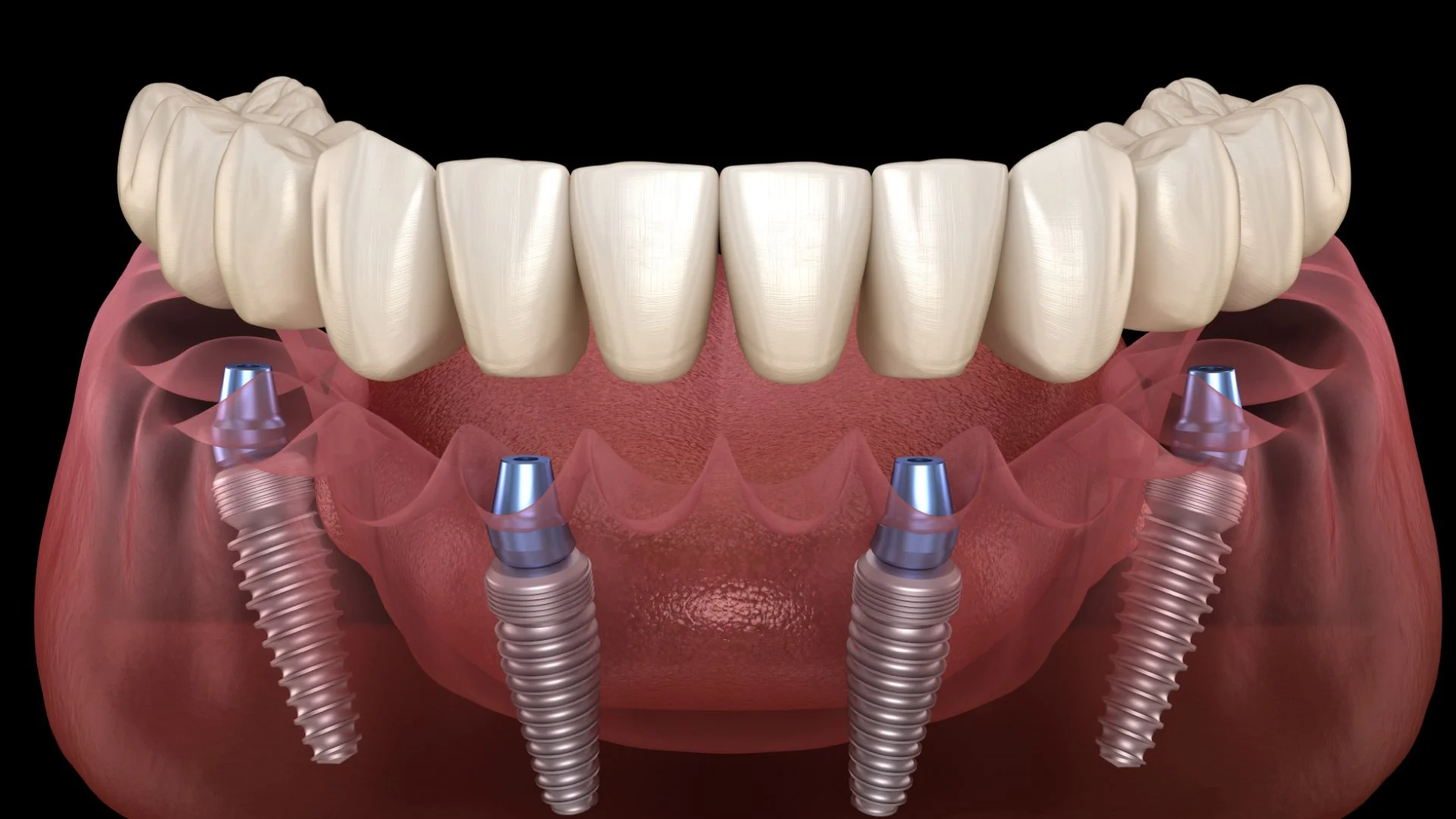
All-on-6 is a full-arch tooth replacement treatment where six dental implants are strategically placed in your upper or lower jaw to support an entire set of teeth. Think of it as a strong, permanent foundation for a brand-new smile.

It’s ideal for people who have lost all their teeth, or are about to, and don’t want the hassle of removable dentures.

Why six implants?

Six implants provide excellent stability and support for a full arch of teeth. Compared to traditional dentures, they:

  • Don’t shift or slip while talking or eating

  • Help preserve your jawbone

  • Look and feel like natural teeth

  • Allow you to bite into food with confidence

  • Are fixed in place—no need to remove them at night

Am I a candidate for All-on-6?

If you have:

  • Multiple missing or failing teeth

  • Difficulty with dentures

  • Enough bone in your jaw (or are open to bone grafting if needed)

  • Reasonable overall health

…then you might be a great candidate. We’ll assess this with a 3D scan and consultation before anything begins.

Does the procedure hurt?

Most patients are pleasantly surprised by how smooth it is. The procedure is done under local anaesthetic (and sometimes sedation if needed), so there’s no pain during the process. You may feel some tenderness or swelling afterwards, but we’ll guide you through recovery every step of the way.

How long does it take?

Here’s the general process:

  1. Initial consult & scans – to plan everything.

  2. Implant surgery – usually done in one day.

  3. Healing phase – about 3–6 months while your jawbone fuses with the implants.

  4. Permanent teeth fitted – once everything has healed and settled.

In many cases, a temporary fixed denture can be placed on the same day as surgery so you’re never without teeth.

How do I care for my new teeth?

Just like real teeth! You’ll brush, floss (with special tools we’ll recommend), and visit us regularly for check-ups and cleaning. These teeth don’t get cavities, but the gums and implants still need care to keep everything healthy.

How long do they last?

With good hygiene and maintenance, All-on-6 implants can last 15–25 years or longer. The porcelain or acrylic teeth may eventually need replacing due to wear, but the implants themselves are built to last.

What does it cost?

All-on-6 is a significant investment—but it’s life-changing. You’re getting permanent, full-arch tooth replacement that can restore your appearance, confidence, and ability to enjoy food again.

Costs vary depending on your needs (upper, lower, or both arches; bone grafting; type of material used), and we’ll give you a full treatment plan with all fees clearly explained.

Payment plans may also be available.

What if I’ve worn dentures for years?

That’s very common—and yes, you can still get All-on-6. We’ll check your jawbone to make sure it’s strong enough to support the implants, and if necessary, bone grafting can help rebuild areas of loss. You may be surprised what’s possible now with modern dental techniques.

Final Thoughts

All-on-6 is more than just a dental procedure—it’s a permanent solution that gives you back your smile, confidence, and freedom. No more worrying about dentures slipping or hiding your teeth when you laugh. You deserve to feel good about your smile again.

Ready to Get Started?

Book a consultation and let’s see if All-on-6 is the right option for you. We’ll take the time to explain everything and make the process as smooth and comfortable as possible.

📍 G1a, 570 New Canterbury Road, Hurlstone Park NSW
📞 (02) 9558 8988
📧 info@painfreedentistsydney.com.au

We’re here to make full-mouth restoration easier, safer, and more comfortable than you thought possible.