Understanding TMJ Problems: Causes, Symptoms & Treatment Options

What is TMJ?

The temporomandibular joint (TMJ) is the hinge that connects your jaw to your skull. It allows you to speak, chew, and yawn. When this joint is not functioning properly, it can lead to TMJ disorder (TMD), a condition that affects millions of people worldwide.

Common Symptoms of TMJ Problems

People with TMJ issues may experience:

  • Jaw pain or stiffness

  • Headaches and migraines

  • Clicking, popping, or grinding noises when opening/closing the mouth

  • Difficulty opening the mouth wide

  • Ear pain or ringing (tinnitus)

  • Neck and shoulder pain

  • Uneven bite or teeth not meeting properly

What Causes TMJ Disorders?

TMJ problems can have multiple causes, including:

  • Teeth grinding (bruxism)

  • Stress and jaw clenching

  • Misaligned bite

  • Injury or trauma to the jaw

  • Arthritis

  • Previous orthodontic treatment or tooth wear

How TMJ Affects Daily Life

TMJ disorders don’t just affect your jaw—they can disrupt sleep, cause chronic pain, and impact your overall well-being. Patients often report fatigue, difficulty eating, and frustration due to persistent discomfort.

Treatment Options for TMJ Problems

The good news is that TMJ disorders are treatable. Depending on the severity, treatment may include:

  • Custom-made splints or night guards to reduce grinding and protect teeth

  • Physiotherapy to correct posture and relieve muscle tension

  • Bite correction with composite build-ups or crowns

  • Stress management techniques (such as meditation or breathing exercises)

  • Craniosacral or holistic approaches for skull and neck alignment

  • Referral to an oral surgeon in severe cases

When to See a Dentist for TMJ Pain

If you’re experiencing constant headaches, jaw clicking, or difficulty chewing, it’s important to consult a dentist trained in TMJ care. Early diagnosis and treatment can prevent long-term damage and restore comfort to your daily life.

Final Thoughts

TMJ problems can be complex, but with the right diagnosis and treatment plan, you can regain balance, reduce pain, and improve your quality of life.

👉 At Pain Free Dentist Sydney, we take a holistic approach to TMJ care, looking beyond just the teeth to treat the whole person.

Snoring sleep

Airway Congestion, Teeth Grinding, and Their Impact on Lifestyle: A Clinical Perspective

Abstract

Airway congestion and teeth grinding (bruxism) are frequently overlooked as interconnected health issues that can significantly impact a patient’s overall lifestyle. Emerging research suggests a strong link between compromised airway function, nocturnal bruxism, and sleep-disordered breathing. This paper explores the underlying mechanisms, clinical signs, and lifestyle consequences of these conditions, as well as holistic and dental interventions that can improve patient outcomes.

Introduction

Airway congestion, often caused by nasal obstruction, chronic sinusitis, allergies, or structural deviations (such as a deviated septum), can disrupt normal breathing patterns, especially during sleep. In many individuals, this reduced airflow leads to mouth breathing, snoring, or even obstructive sleep apnea.

One less-discussed consequence of airway obstruction is night time teeth grinding, also known as sleep bruxism. Bruxism is not simply a dental problem — it is often a symptom of an underlying sleep or airway disorder. Over time, bruxism can contribute to temporomandibular joint (TMJ) pain, headaches, and severe tooth wear.

Pathophysiology: How Airway Congestion Triggers Teeth Grinding

When the airway is compromised, the body may subconsciously clench or grind the teeth to activate jaw muscles and reposition the mandible forward, temporarily opening the airway for improved airflow. This mechanism is part of the sleep-disordered breathing response.

Chronic airway congestion can therefore:

  • Increase micro-arousals during sleep

  • Disrupt normal sleep cycles

  • Causes persistent muscle tension in the jaw, neck, and shoulders

  • Lead to TMJ disorder symptoms, including jaw clicking, ear pain, and headaches

Lifestyle Impacts

Patients experiencing airway congestion and bruxism often report:

  • Poor sleep quality — frequent awakenings and unrefreshing rest

  • Daytime fatigue and brain fog

  • Chronic headaches

  • Jaw and neck pain affecting work productivity

  • Dental sensitivity from enamel wear

  • Reduced quality of life due to constant discomfort

Long-term consequences include changes in facial growth patterns in children, worsened TMJ dysfunction, and increased risk of cardiovascular disease linked to sleep apnea.

Clinical Assessment

A thorough diagnosis requires:

  • Airway evaluation — nasal endoscopy, CBCT scans, or sleep studies

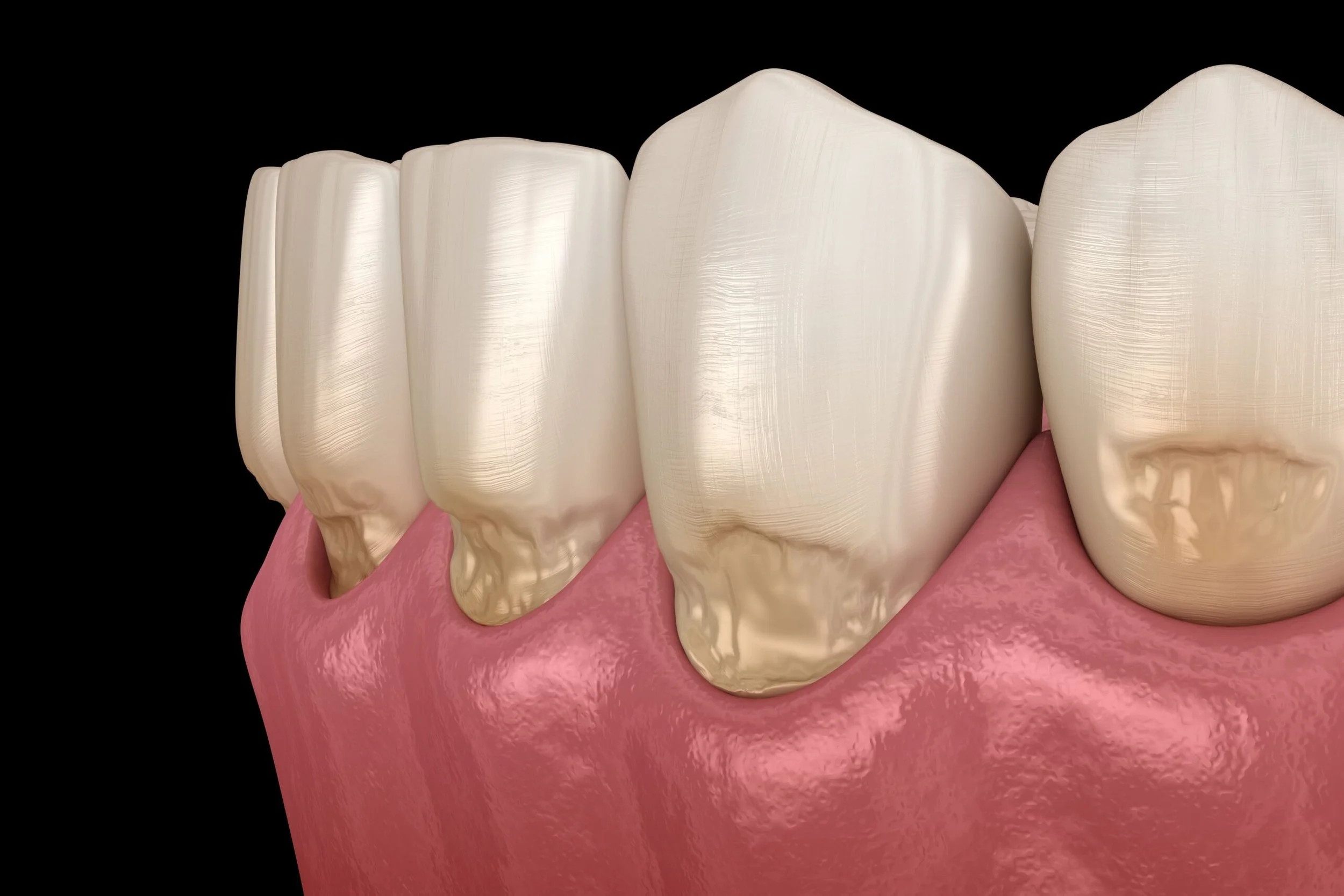
  • Dental examination — checking for tooth wear facets, cracks, and gum recession

  • TMJ assessment — palpation for muscle tenderness and joint noise

  • Postural analysis — forward head posture is common in airway-compromised patients

Management Strategies

Treatment should be multidisciplinary, addressing both airway health and dental protection:

  1. Airway Interventions

    • ENT consultation for nasal obstruction or septal deviation

    • Allergy testing and treatment

    • Myofunctional therapy for mouth breathing habits

  2. Dental Interventions

    • Custom night guards or TMJ splints to protect teeth

    • Orthodontic expansion in children to improve nasal airflow

    • Composite build-ups or crowns for worn teeth

  3. Lifestyle Modifications

    • Avoiding alcohol and sedatives before sleep

    • Practising nasal breathing techniques

    • Addressing posture through physiotherapy

Conclusion

Airway congestion and teeth grinding are more than isolated dental or ENT concerns — they are part of a systemic issue that affects overall health and quality of life. Early diagnosis and a collaborative treatment approach can significantly improve sleep, reduce pain, and enhance daily function.

Pain-Free Root Canal Treatments: Top 10 FAQs

1. What is a Root Canal Treatment (RCT)?

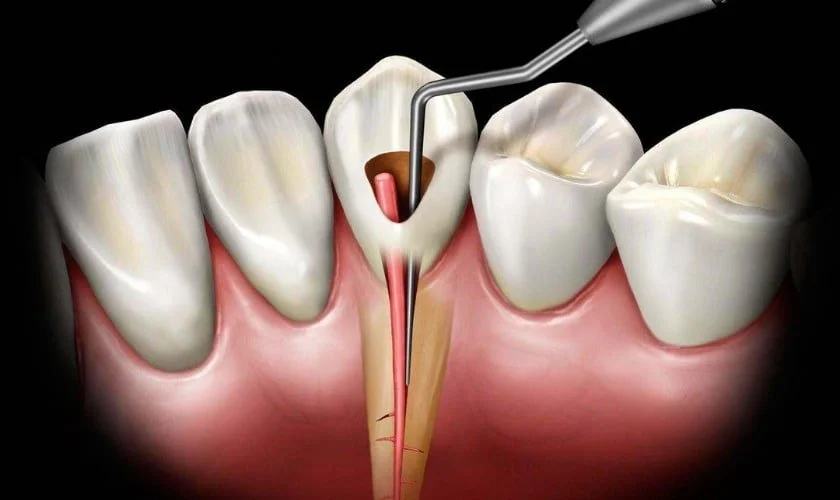
A root canal is a dental procedure—also called endodontic therapy—that removes infected or inflamed pulp (the soft tissue inside your tooth), cleans and seals the canals, and restores the tooth with a filling or crown. This treatment helps save a damaged tooth and prevent further infection.

2. Why is an RCT needed?

You may need a root canal if bacteria have entered the pulp—due to deep decay, cracks, failed fillings, or trauma—leading to infection. If left untreated, the infection can spread to bone, causing pain or abscess.

3. What happens during the procedure?

The dentist or endodontist starts by taking X-rays and numbing the area. The infected pulp is removed, the canals are cleaned, shaped, and filled with biocompatible material like gutta-percha. Sometimes, a crown is placed to restore structural strength.

4. Is it painful?

Thanks to modern anesthetics and techniques, a root canal isn’t more painful than a regular filling. You might feel some soreness or discomfort for a few days afterward, but pain is typically manageable and fleeting.

5. How long does the treatment take?

The procedure usually spans one or two visits. Each visit typically lasts around 90 minutes, though some clinics offer faster options like single-visit laser RCTs.

6. How long do treated teeth last?

With proper care and restoration, root canal-treated teeth can last a lifetime. Success is highly likely—over 90% in well-restored cases.

7. What are the risks or side effects?

Minor side effects may include temporary sensitivity, swelling, or mild discomfort. Persistent symptoms beyond a few days should be checked by your dentist. Rarely, retreatment may be necessary.

8. Will I need a crown afterward?

Often, yes. Restoring the tooth with a crown helps protect it from fracture and ensures long-term durability—especially for back teeth.

9. When should I see a dentist?

If you experience pain when chewing, prolonged sensitivity to hot or cold, gum swelling, or a pimple-like bump near the tooth root, consult your dentist promptly. Early treatment prevents complications like abscesses.

10. Is it safe and reliable?

Yes. Root canals are a safe, effective, and reliable way to save healthy teeth. Modern procedures and technology have made them highly predictable with long-lasting outcomes.

Why Choose Pain Free Dentist Sydney for Your Root Canal?

If you're in Sydney and looking for an RCT that’s comfortable, high-quality, and stress-free, Pain Free Dentist Sydney is a standout choice:

  • They specialize in gentle, stress-free, pain-free root canals, using modern anesthetics and sedation when needed.

  • Located in Dulwich Hill, they offer IV sedation and other sedation options, ideal for nervous patients.

  • Their blog emphasizes that root canals "don’t have to be scary" and highlights their "pain-free, routine" approach.

Final Thoughts

Root canal treatment today is far from the dreaded procedure of yesteryear. It’s safe, efficient, pain-managed, and can save your natural tooth for decades. If you're in Sydney, Pain Free Dentist Sydney offers compassionate care and modern sedation options to make your experience as smooth as possible.

Need Help?

At Pain Free Dentist Sydney, we offer gentle assessments and treatment for those with tooth pain.

Call us on (02) 9558 8988 or email us at info@painfreedentistsydney.com.au to book a consultation or learn more.
You can also book online at www.painfreedentistsydney.com.au!