TMJ, Sleep Apnea, Teeth Grinding, Airway Issues, and Facial Muscle Pain: How They’re Connected

Do you suffer from jaw pain, poor sleep, headaches, or facial muscle tension? These symptoms may seem unrelated, but they’re often linked to a single condition: TMJ disorder (temporomandibular joint disorder). Problems with the jaw joint can contribute to teeth grinding (bruxism), airway obstruction, sleep apnea, and even chronic facial muscle pain.

Understanding the connection between these conditions is key to finding long-term relief.

How TMJ Disorder Affects the Body

The temporomandibular joint connects your jawbone to your skull. When it’s strained, misaligned, or overactive, it doesn’t just affect the jaw—it can disrupt the entire head, neck, and airway system.

TMJ issues often cause:

  • Jaw clicking or locking

  • Morning headaches or migraines

  • Ear pain or ringing

  • Stiffness in the neck and shoulders

  • Sleep disturbances

TMJ and Teeth Grinding (Bruxism)

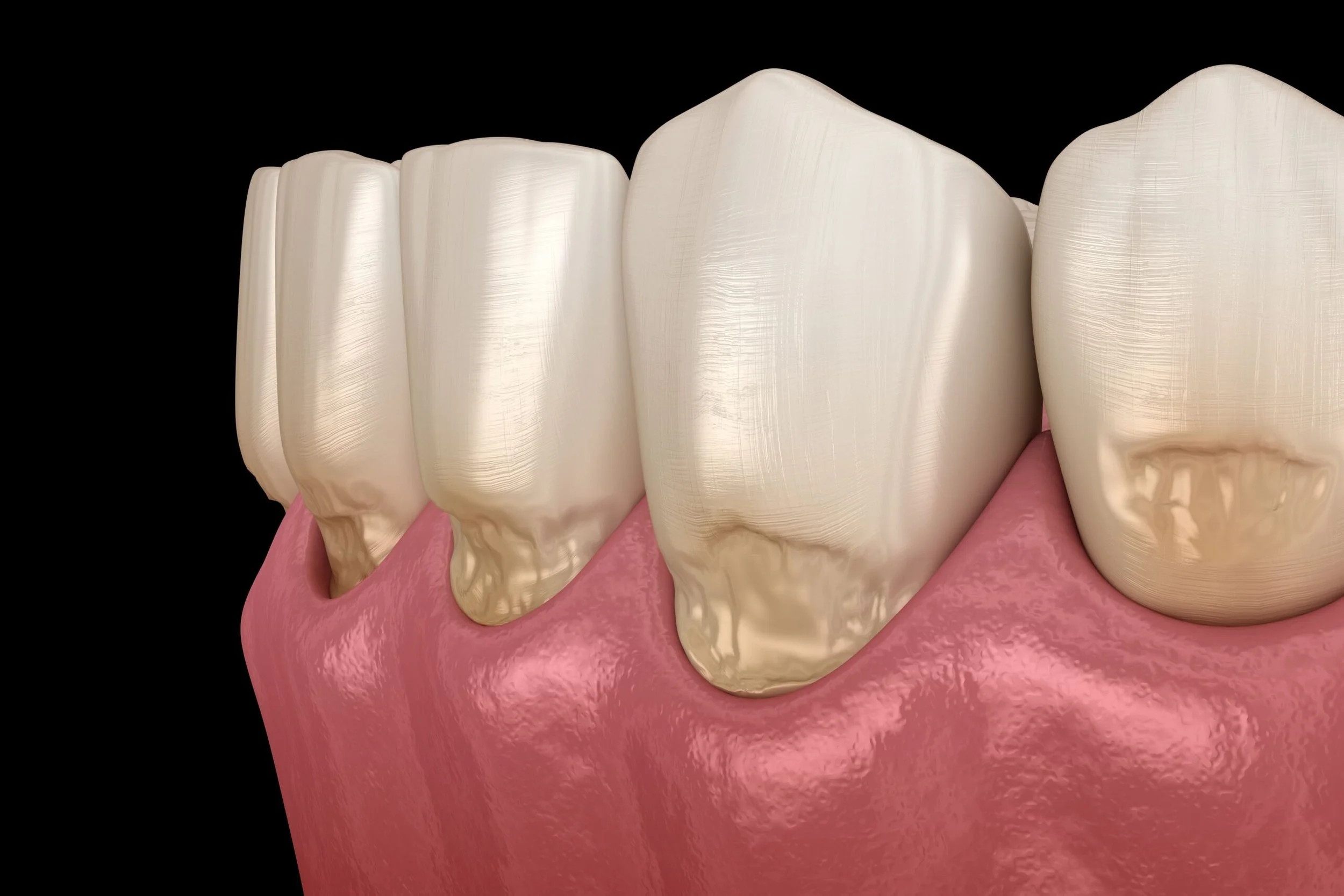
One of the most common signs of TMJ dysfunction is teeth grinding. Chronic grinding wears down enamel, damages teeth, and increases jaw tension. Many people grind their teeth unconsciously at night, leading to restless sleep and morning facial pain.

TMJ and Airway Issues

When the jaw is misaligned, it can impact the airway. A restricted airway may cause snoring, breathing difficulties, or sleep apnea. Over time, this leads to poor oxygen flow, which affects energy, concentration, and overall health.

TMJ and Sleep Apnea

Sleep apnea occurs when breathing repeatedly stops during sleep. TMJ problems can worsen this condition by shifting the jaw and tongue into positions that block airflow. This often explains why people with TMJ also experience restless nights, chronic fatigue, and morning headaches.

TMJ and Facial Muscle Pain

The jaw muscles work overtime when clenching or grinding occurs. This leads to tightness, soreness, and pain in the face, temples, and neck. In severe cases, muscle fatigue can even change the shape of the face over time.

Treatment Options for TMJ-Related Symptoms

The good news is that these interconnected problems can be managed with the right care. Treatments may include:

  • Custom night guards or TMJ splints to prevent teeth grinding

  • Botox for TMJ to relax overworked muscles

  • Airway-focused dentistry to address breathing and sleep issues

  • Physical therapy and jaw exercises for muscle relief

  • Lifestyle changes such as stress management and posture improvement

Final Thoughts

If you’re experiencing a combination of TMJ pain, teeth grinding, sleep apnea, airway issues, or facial muscle pain, you don’t have to suffer in silence. These conditions are closely linked, and treating the underlying TMJ disorder can significantly improve your quality of life.

A consultation with a TMJ specialist or airway-focused dentist can help you uncover the root cause and create a personalized treatment plan for lasting relief.

📞 Call us today at (02) 9558 8988
💻 Or book your appointment online

How Botox Helps TMJ Symptoms Subside

If you’re struggling with jaw pain, migraines, teeth grinding, or tension in the neck, you may be suffering from TMJ disorder (temporomandibular joint disorder). While traditional treatments such as mouth guards and physical therapy can help, many patients are finding long-lasting relief through Botox for TMJ.

What Is TMJ Disorder?

The temporomandibular joint connects your jawbone to your skull. When it’s misaligned, overused, or strained, it can lead to painful symptoms such as:

  • Jaw stiffness or soreness

  • Frequent headaches or migraines

  • Neck and shoulder tension

  • Teeth grinding (bruxism)

  • Jaw clicking or locking

These symptoms often interfere with daily life, sleep quality, and overall comfort.

How Botox Helps With TMJ Symptoms

Botox is most commonly known for smoothing fine lines and wrinkles, but it’s also FDA-approved for various medical conditions. When used for TMJ treatment, Botox works by relaxing the overactive muscles responsible for jaw clenching and grinding.

Here’s how Botox helps TMJ symptoms subside:

  • Reduces jaw tension: Botox relaxes the masseter and temporalis muscles, easing tightness.

  • Decreases pain signals: It blocks nerve activity that triggers discomfort.

  • Relieves headaches and migraines: By reducing strain in the jaw and face, many patients experience fewer headaches.

  • Prevents teeth grinding: Botox weakens overactive jaw muscles, minimizing clenching and grinding at night.

  • Improves jaw mobility: With less tension, patients often notice smoother, pain-free jaw movement.

What to Expect From Botox TMJ Treatment

  • Quick procedure: Injections take only 10–20 minutes.

  • Minimal downtime: Most patients return to normal activities immediately.

  • Gradual relief: Results typically appear within 1–2 weeks and can last 3–6 months.

  • Ongoing management: Repeat treatments may be needed to maintain long-term relief.

Is Botox for TMJ Safe?

When administered by a qualified TMJ dentist or medical professional, Botox is considered safe and effective. Side effects are typically mild and temporary, such as slight swelling or tenderness at the injection site.

Final Thoughts

If you’ve been struggling with unexplained jaw pain, migraines, neck tension, or restless sleep, Botox may help your TMJ symptoms subside. By targeting the root cause—overworked jaw muscles—Botox offers relief that improves daily comfort and sleep quality.

Always consult with a TMJ specialist to see if Botox is the right treatment for you.

Ready to Find Relief From TMJ Pain?

Don’t let jaw pain, migraines, or restless sleep control your life. At Pain Free Dentist Sydney, we offer safe and effective Botox treatments for TMJ to help you feel better, sleep better, and live pain-free.

📞 Call us today at (02) 9558 8988
💻 Or book your appointment online

Unexplainable Neck Pain, Migraines, and Restless Sleep Could Be a TMJ Problem

Have you been struggling with unexplainable neck pain, frequent migraines, or restless sleep? Many people search for answers in the wrong places—when the real culprit might be TMJ disorder (temporomandibular joint disorder).

The temporomandibular joint (TMJ) connects your jawbone to your skull, and when it’s misaligned or stressed, it can cause a ripple effect of symptoms far beyond just jaw pain. Let’s explore how TMJ problems can affect your body and why they often go unnoticed.

How TMJ Problems Cause Neck Pain

Your jaw muscles are connected to the muscles in your neck and shoulders. When the TMJ is strained due to teeth grinding, jaw clenching, or misalignment, it can create tension that radiates into the neck. This leads to chronic stiffness, soreness, and unexplained neck pain that traditional treatments may not relieve.

The Connection Between TMJ and Migraines

TMJ dysfunction can trigger migraines and tension headaches. Misaligned jaw joints put pressure on the surrounding nerves and muscles, creating pain that spreads to the head. If your migraines haven’t improved with typical treatments, a TMJ evaluation may uncover the hidden cause.

TMJ and Restless Sleep

People with TMJ disorders often experience teeth grinding (bruxism), jaw clenching, or even airway obstruction during sleep. These issues disrupt rest, leading to restless nights, fatigue, and poor sleep quality. Addressing TMJ problems can significantly improve sleep health and reduce nighttime discomfort.

Signs You Might Have a TMJ Disorder

  • Jaw clicking, popping, or locking

  • Difficulty opening or closing the mouth

  • Ear pain or ringing in the ears

  • Jaw soreness in the morning

  • Frequent headaches or migraines

  • Shoulder and neck pain

If you experience multiple symptoms, your unexplained pain may be linked to TMJ disorder.

Finding Relief From TMJ Problems

The good news is that TMJ disorder can be treated. Depending on your condition, treatment may include:

  • Custom TMJ mouth guards or splints

  • Physical therapy and jaw exercises

  • Lifestyle changes like stress management

  • Specialized dental care for bite alignment

With the right diagnosis and treatment plan, you can reduce neck pain, migraines, and sleep disturbances caused by TMJ issues.

Final Thoughts

Don’t ignore unexplainable neck pain, migraines, or restless sleep—they may be signs of a TMJ problem. By addressing the root cause, you can restore comfort, improve sleep, and finally find lasting relief.

If you suspect you may have TMJ disorder, consult a TMJ specialist or dentist for a proper evaluation.