Root Canal Treatment: Everything You Need to Know

If you’ve been told you need a root canal treatment, you might feel a little nervous. But don’t worry — modern dentistry has made this procedure safe, effective, and far less painful than many people expect. In this blog, we’ll cover what a root canal is, how it works, the benefits, recovery tips, and what you can expect in terms of cost.

What Is Root Canal Treatment?

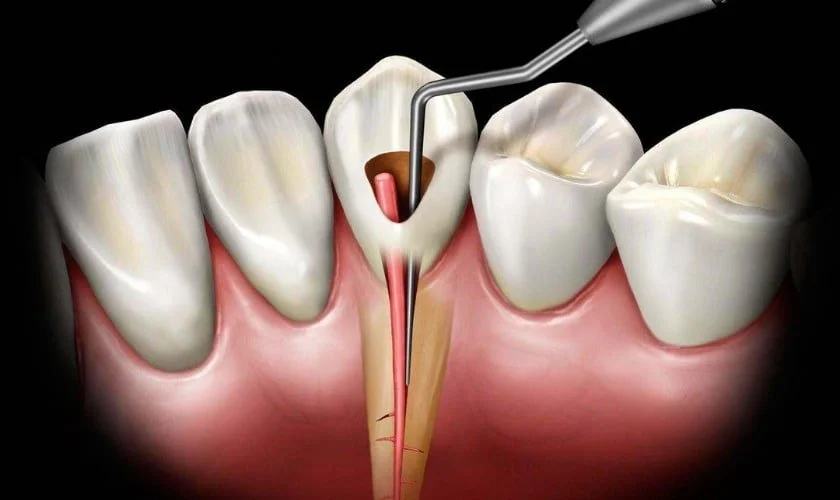
A root canal treatment (also known as endodontic therapy) is a dental procedure used to save a tooth that is badly decayed, infected, or damaged. Instead of removing the tooth, your dentist cleans out the infected pulp inside the root canal, disinfects the area, and seals it with a filling or crown.

Signs You Might Need a Root Canal

You may need a root canal procedure if you experience:

  • Severe toothache, especially when chewing

  • Sensitivity to hot or cold

  • Swollen gums around the tooth

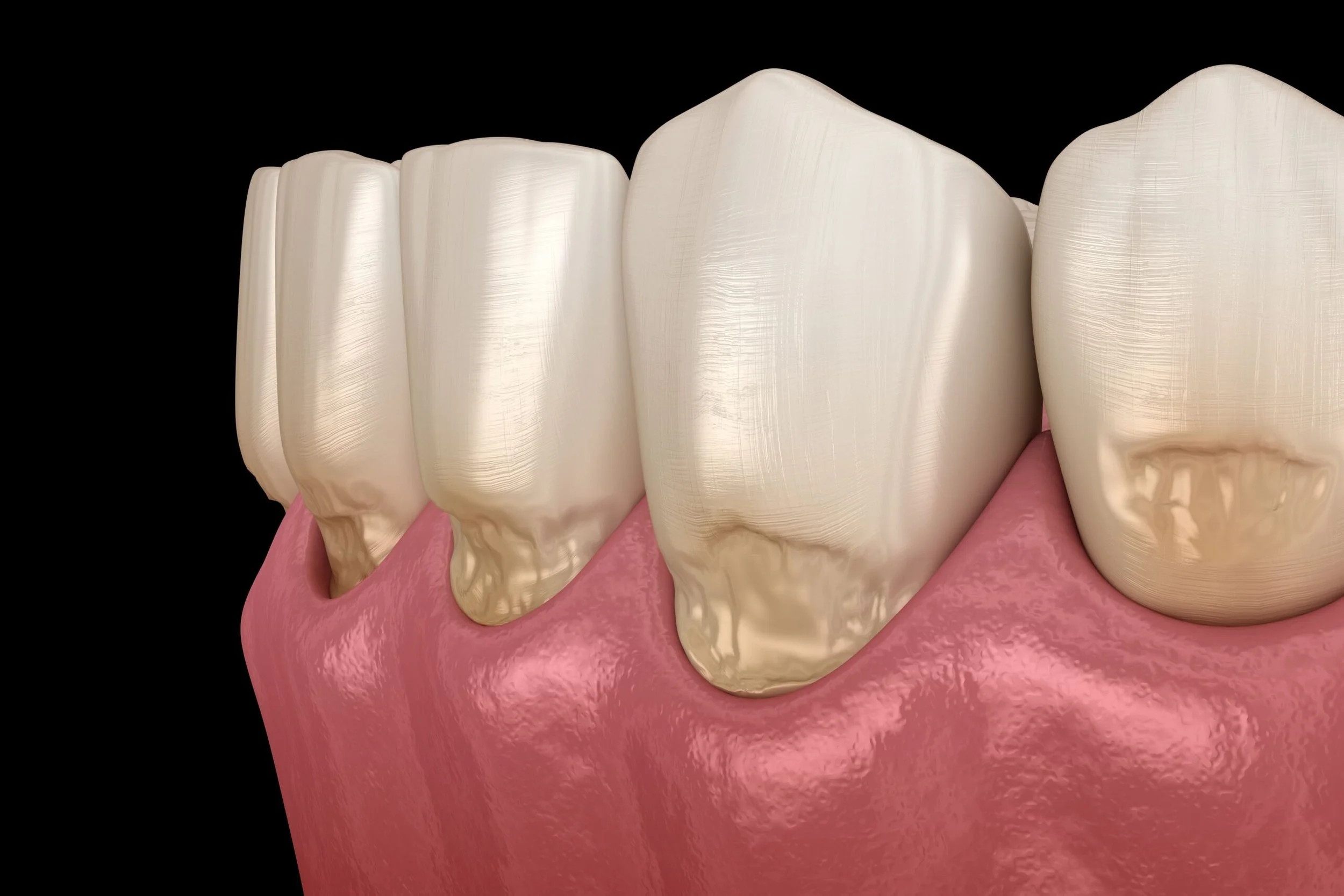
  • Darkening of the tooth

  • A recurring pimple on the gum

If you notice any of these symptoms, consult a dentist near you as soon as possible. Early treatment can prevent further damage.

Benefits of Root Canal Treatment

  • Pain relief – Eliminates infection and discomfort

  • Tooth preservation – Keeps your natural tooth instead of extracting it

  • Improved oral health – Prevents spread of infection

  • Restored chewing ability – You can eat comfortably again

The Root Canal Procedure: Step by Step

  1. Examination & X-ray – To check the tooth’s condition

  2. Local anesthesia – To ensure a painless experience

  3. Cleaning & shaping – Removal of infected pulp inside the canal

  4. Filling & sealing – Prevents bacteria from re-entering

  5. Crown placement (if needed) – Restores strength and appearance

Most root canal treatments can be completed in one or two visits.

Recovery After Root Canal

  • Mild soreness is normal for a few days

  • Take prescribed medication as directed

  • Avoid chewing on the treated side until fully restored

  • Maintain regular brushing, flossing, and dental checkups

How Much Does Root Canal Treatment Cost?

The cost of root canal treatment can vary depending on:

  • Tooth location (front teeth usually cost less than molars)

  • Complexity of the infection

  • Dentist’s expertise and clinic location

On average, root canal prices range from $300 – $1,500 per tooth. Adding a dental crown may increase the overall cost, but it ensures long-term durability.

Final Thoughts

A root canal treatment is nothing to fear. It’s a highly effective way to save your natural teeth, restore your smile, and protect your oral health. If you’re searching for a “dentist near me” for root canal treatment, schedule a consultation today to get expert advice and care.

Teeth Whitening: Brighten Your Smile Safely and Effectively

Introduction

A bright, white smile can boost confidence and enhance your overall appearance. Teeth whitening is a popular cosmetic dental procedure designed to remove stains and discoloration, giving you a brighter, more youthful smile.

Whether caused by coffee, tea, smoking, or natural aging, teeth whitening can restore the vibrancy of your teeth safely and efficiently.

What Is Teeth Whitening?

Teeth whitening is a dental procedure that lightens the color of teeth using bleaching agents such as hydrogen peroxide or carbamide peroxide. It can be performed in-office by a dentist or at home using professional-grade kits.

Types of Teeth Whitening

  1. In-Office Whitening: Fast and effective, results often visible in a single session.

  2. At-Home Whitening Kits: Dentist-supervised kits provide gradual whitening over days or weeks.

  3. Over-the-Counter Whitening: Toothpaste, strips, or gels available for minor surface stains; less effective than professional options.

Causes of Tooth Discoloration

  • Consumption of coffee, tea, or red wine

  • Tobacco use (smoking or chewing)

  • Aging, which naturally darkens teeth

  • Certain medications (antibiotics, antihistamines)

  • Poor dental hygiene or plaque buildup

Benefits of Professional Teeth Whitening

  • Brighter Smile: Removes deep stains for a whiter appearance

  • Safe and Supervised: Minimizes sensitivity and enamel damage

  • Quick Results: In-office treatments can whiten teeth several shades in one session

  • Boosts Confidence: A brighter smile improves self-esteem and social interactions

Teeth Whitening Procedure (In-Office)

  1. Consultation: Dentist evaluates teeth and oral health to ensure suitability.

  2. Preparation: Gums are protected with a barrier to prevent irritation.

  3. Application: Whitening gel is applied to the teeth.

  4. Activation: A special light or laser may be used to accelerate results.

  5. Follow-Up: Dentist provides aftercare instructions and touch-up recommendations.

Caring for Your Whitened Teeth

  • Avoid stain-causing foods and drinks immediately after treatment

  • Maintain regular brushing and flossing

  • Use a whitening toothpaste for maintenance

  • Attend regular dental cleanings

Teeth Whitening vs. Veneers

  • Teeth Whitening: Lightens natural tooth color, best for stains and discoloration

  • Veneers: Covers imperfections permanently, including chips, gaps, or severe discoloration

Final Thoughts

Teeth whitening is an effective and safe way to restore your smile’s brightness and enhance confidence. For lasting results, combine professional treatments with good oral hygiene and regular dental care.

Dental Veneers: Transform Your Smile with Confidence

Introduction

A bright, even smile can boost confidence and improve overall appearance. Dental veneers are a cosmetic solution designed to cover imperfections like chips, stains, or gaps, giving you a flawless smile. They are thin, custom-made shells placed over the front surface of teeth to enhance their appearance.

What Are Dental Veneers?

Veneers are thin layers of porcelain or composite resin that are bonded to the front of your teeth. They are designed to mimic natural tooth color and shape, providing a durable and aesthetically pleasing solution for dental imperfections.

Benefits of Dental Veneers

  • Improved Appearance: Cover stains, chips, or misaligned teeth.

  • Durable and Long-Lasting: Porcelain veneers can last 10–15 years.

  • Natural Look: Mimics the translucency and color of natural teeth.

  • Stain-Resistant: Porcelain veneers resist discoloration better than natural teeth.

  • Minimal Tooth Alteration: Often requires less enamel removal compared to crowns.

Types of Dental Veneers

  1. Porcelain Veneers: Strong, stain-resistant, and natural-looking.

  2. Composite Veneers: Made from composite resin, less expensive, quicker to apply, but slightly less durable.

The Veneer Procedure

  1. Consultation: Dentist evaluates teeth, discusses goals, and creates a treatment plan.

  2. Tooth Preparation: A small amount of enamel is removed to make room for the veneer.

  3. Impressions: Custom veneers are crafted in a dental lab.

  4. Temporary Veneers (if needed): Worn while permanent veneers are being made.

  5. Bonding: Veneers are bonded to the teeth with dental cement and cured for a secure fit.

  6. Final Adjustments: Dentist ensures proper fit, bite, and aesthetics.

Caring for Dental Veneers

  • Brush and floss daily to maintain oral health

  • Avoid biting hard objects (ice, pens)

  • Limit stain-causing foods and drinks for longevity

  • Visit your dentist regularly for check-ups

Dental Veneers vs. Teeth Whitening

  • Veneers: Cover imperfections permanently and can change the shape, size, and color of teeth.

  • Teeth Whitening: Only removes surface stains; does not fix chipped, misshapen, or misaligned teeth.

Final Thoughts

Dental veneers are an excellent option for anyone seeking a cosmetic enhancement that is both durable and natural-looking. Whether for whitening, reshaping, or correcting minor alignment issues, veneers can provide a smile transformation that boosts confidence and lasts for years.