Wisdom Tooth Removal: What You Need to Know

Wisdom teeth (also called third molars) usually erupt between the ages of 17 and 25. While some people never experience problems, many develop issues such as pain, swelling, or crowding. In such cases, a wisdom tooth removal may be recommended by your dentist or oral surgeon.

Why Do Wisdom Teeth Cause Problems?

Wisdom teeth are the last set of molars to emerge. Since most people’s jaws don’t have enough space, these teeth often grow at odd angles or become trapped under the gum line (impacted). This can lead to:

  • Jaw pain or swelling

  • Infection or gum disease

  • Damage to nearby teeth

  • Cysts around the tooth

Signs You May Need Wisdom Tooth Removal

You might need a wisdom tooth extraction if you experience:

  • Persistent pain at the back of your mouth

  • Swelling or tenderness in gums

  • Difficulty opening your mouth fully

  • Bad breath or unpleasant taste

  • Crowding of nearby teeth

The Wisdom Tooth Removal Procedure

  1. Examination & X-rays – To determine tooth position and treatment approach

  2. Local or general anesthesia – Ensures a comfortable, pain-free procedure

  3. Tooth extraction – Simple removal if the tooth is fully erupted, or minor surgery if impacted

  4. Stitches (if needed) – Helps in healing

  5. Recovery instructions – To promote quick healing and prevent complications

Most wisdom tooth surgeries take less than an hour, depending on complexity.

Recovery After Wisdom Tooth Removal

Healing usually takes about 7–10 days. Common tips include:

  • Bite gently on gauze to control bleeding

  • Use ice packs to reduce swelling

  • Eat soft foods (soups, yogurt, smoothies)

  • Avoid smoking, alcohol, and straws (to prevent dry socket)

  • Take prescribed pain medication or antibiotics as directed

How Much Does Wisdom Tooth Removal Cost?

The cost of wisdom tooth extraction depends on:

  • Whether the tooth is erupted or impacted

  • Number of teeth removed

  • Dentist or oral surgeon’s expertise

  • Clinic location and facilities

Gum Disease: Symptoms, Causes, and Treatment Options

Gum disease (also called periodontal disease) is one of the most common dental problems worldwide. It starts with mild gum inflammation (gingivitis) and, if left untreated, can progress into periodontitis — a serious infection that damages the soft tissue and bone supporting your teeth.

What Is Gum Disease?

Gum disease occurs when bacteria build up on your teeth and gums, leading to infection. Plaque and tartar are the main culprits. If not removed by regular brushing, flossing, and professional cleanings, they can cause gums to pull away from the teeth, creating pockets of infection.

Symptoms of Gum Disease

You may have gum disease if you notice:

  • Red, swollen, or tender gums

  • Bleeding while brushing or flossing

  • Persistent bad breath (halitosis)

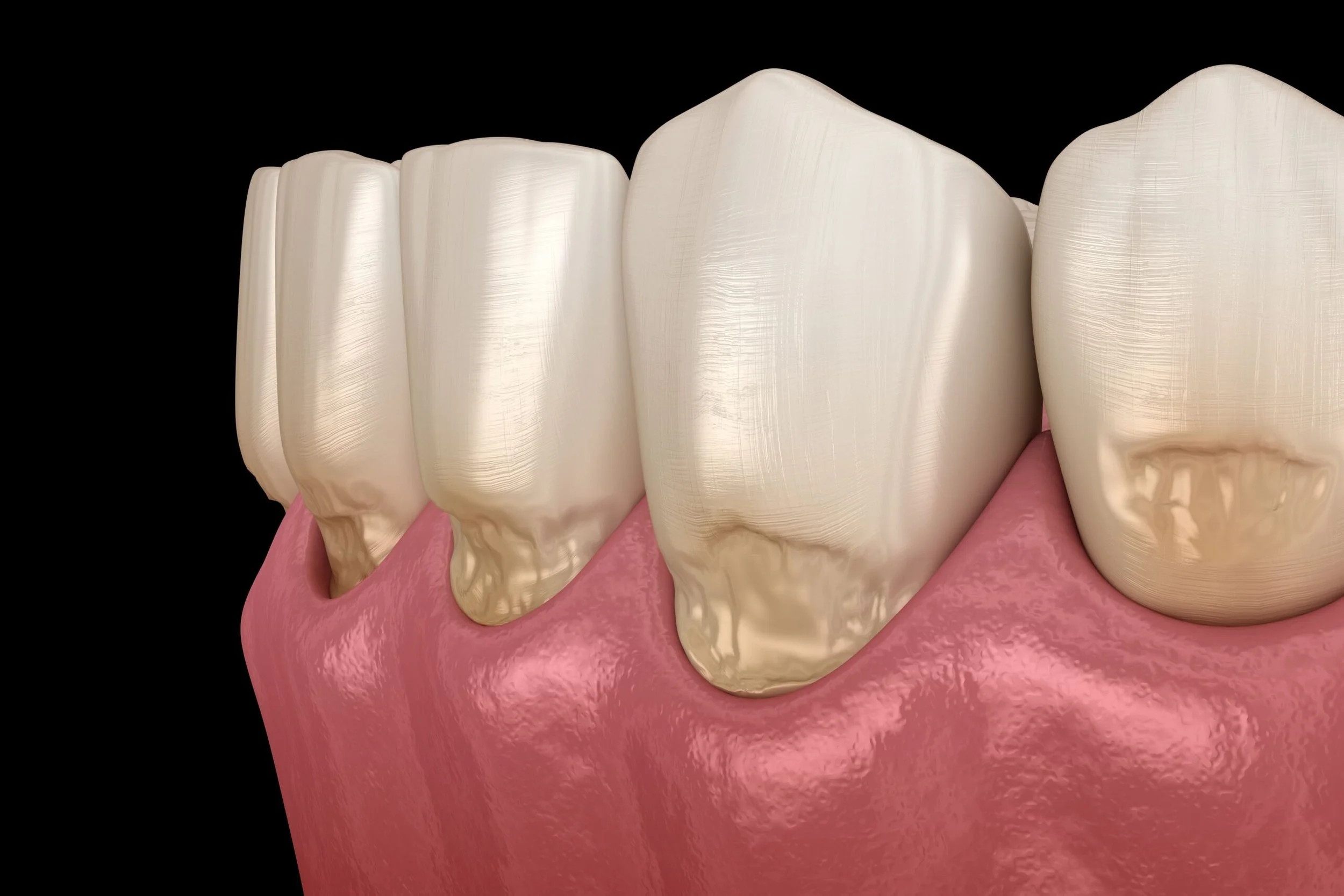
  • Receding gums

  • Loose teeth or shifting bite

  • Pain when chewing

Causes of Gum Disease

Several factors increase the risk of gum disease:

  • Poor oral hygiene

  • Smoking or tobacco use

  • Diabetes

  • Hormonal changes (pregnancy, menopause)

  • Genetic predisposition

  • Certain medications that reduce saliva flow

Stages of Gum Disease

  1. Gingivitis – Early stage with mild inflammation and bleeding gums

  2. Periodontitis – Advanced stage with gum recession, infection, and possible tooth loss

Treatment Options for Gum Disease

  • Professional cleaning – Scaling and root planing to remove plaque/tartar

  • Medications – Antibiotics or antimicrobial rinses

  • Surgical treatments – Flap surgery, bone grafts, or soft tissue grafts for severe cases

  • Ongoing maintenance – Regular dental visits and improved oral hygiene

Prevention Tips

  • Brush twice daily with fluoride toothpaste

  • Floss at least once a day

  • Use an antibacterial mouthwash

  • Visit your dentist every 6 months for cleanings

  • Quit smoking and maintain a healthy diet

Why Treat Gum Disease Early?

Untreated gum disease can lead to tooth loss, bone damage, and even increase the risk of systemic health problems like heart disease, diabetes complications, and respiratory issues. Early treatment means better oral health and lower long-term costs.

Final Thoughts

Gum disease treatment is most effective when diagnosed early. If you’re experiencing symptoms like bleeding gums, bad breath, or gum recession, visit a dentist near you for an evaluation. Protecting your gums is key to keeping your natural teeth healthy for life.

Root Canal Treatment: Everything You Need to Know

If you’ve been told you need a root canal treatment, you might feel a little nervous. But don’t worry — modern dentistry has made this procedure safe, effective, and far less painful than many people expect. In this blog, we’ll cover what a root canal is, how it works, the benefits, recovery tips, and what you can expect in terms of cost.

What Is Root Canal Treatment?

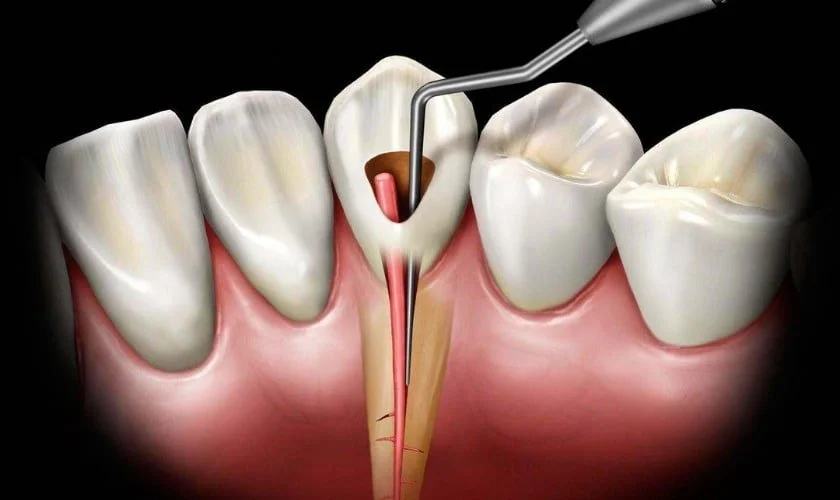
A root canal treatment (also known as endodontic therapy) is a dental procedure used to save a tooth that is badly decayed, infected, or damaged. Instead of removing the tooth, your dentist cleans out the infected pulp inside the root canal, disinfects the area, and seals it with a filling or crown.

Signs You Might Need a Root Canal

You may need a root canal procedure if you experience:

  • Severe toothache, especially when chewing

  • Sensitivity to hot or cold

  • Swollen gums around the tooth

  • Darkening of the tooth

  • A recurring pimple on the gum

If you notice any of these symptoms, consult a dentist near you as soon as possible. Early treatment can prevent further damage.

Benefits of Root Canal Treatment

  • Pain relief – Eliminates infection and discomfort

  • Tooth preservation – Keeps your natural tooth instead of extracting it

  • Improved oral health – Prevents spread of infection

  • Restored chewing ability – You can eat comfortably again

The Root Canal Procedure: Step by Step

  1. Examination & X-ray – To check the tooth’s condition

  2. Local anesthesia – To ensure a painless experience

  3. Cleaning & shaping – Removal of infected pulp inside the canal

  4. Filling & sealing – Prevents bacteria from re-entering

  5. Crown placement (if needed) – Restores strength and appearance

Most root canal treatments can be completed in one or two visits.

Recovery After Root Canal

  • Mild soreness is normal for a few days

  • Take prescribed medication as directed

  • Avoid chewing on the treated side until fully restored

  • Maintain regular brushing, flossing, and dental checkups

How Much Does Root Canal Treatment Cost?

The cost of root canal treatment can vary depending on:

  • Tooth location (front teeth usually cost less than molars)

  • Complexity of the infection

  • Dentist’s expertise and clinic location

On average, root canal prices range from $300 – $1,500 per tooth. Adding a dental crown may increase the overall cost, but it ensures long-term durability.

Final Thoughts

A root canal treatment is nothing to fear. It’s a highly effective way to save your natural teeth, restore your smile, and protect your oral health. If you’re searching for a “dentist near me” for root canal treatment, schedule a consultation today to get expert advice and care.