What Is Gum Disease? Understanding the Silent Infection
Gum disease, also known as periodontal disease, is a chronic dental infection of the gums that can damage soft tissue and ultimately destroy the structural bone supporting your teeth. It is one of the most common oral health issues across Sydney, yet it frequently goes unnoticed because it is rarely painful in its early stages.
The disease ranges from gingivitis (mild, surface-level inflammation) to periodontitis (a serious, deep-seated infection that can lead to permanent tooth loss).
Causes of Gum Disease and Risk Factors
Understanding the primary gum disease causes is the first step toward effective long-term management. Several key factors contribute to the initiation and progression of this dental infection, including:
Poor oral hygiene leading to chronic plaque buildup along the gumline.
Smoking and tobacco use, which severely restricts blood flow to the gums and delays natural healing.
Genetic predisposition and family history of periodontal weakness.
Hormonal changes, such as those experienced during pregnancy or menopause.
Certain medications and underlying medical conditions (particularly poorly managed diabetes).
When oral hygiene is compromised, plaque buildup quickly hardens into tartar. This hardened material forms a rough surface that harbors destructive bacteria, continuously inflaming and infecting your delicate gum tissues.
Early Signs and Symptoms: Do I Have Gum Disease?
Detecting early gum disease signs is crucial for preventing long-term structural damage. Because the condition can progress silently without causing sharp pain, monitoring your oral health closely is vital. You may require a professional evaluation if you notice any of these common gum disease symptoms:
Red, swollen, or bleeding gums during brushing, flossing, or eating hard foods.
Persistent bad breath (halitosis) or an ongoing unpleasant taste in your mouth.
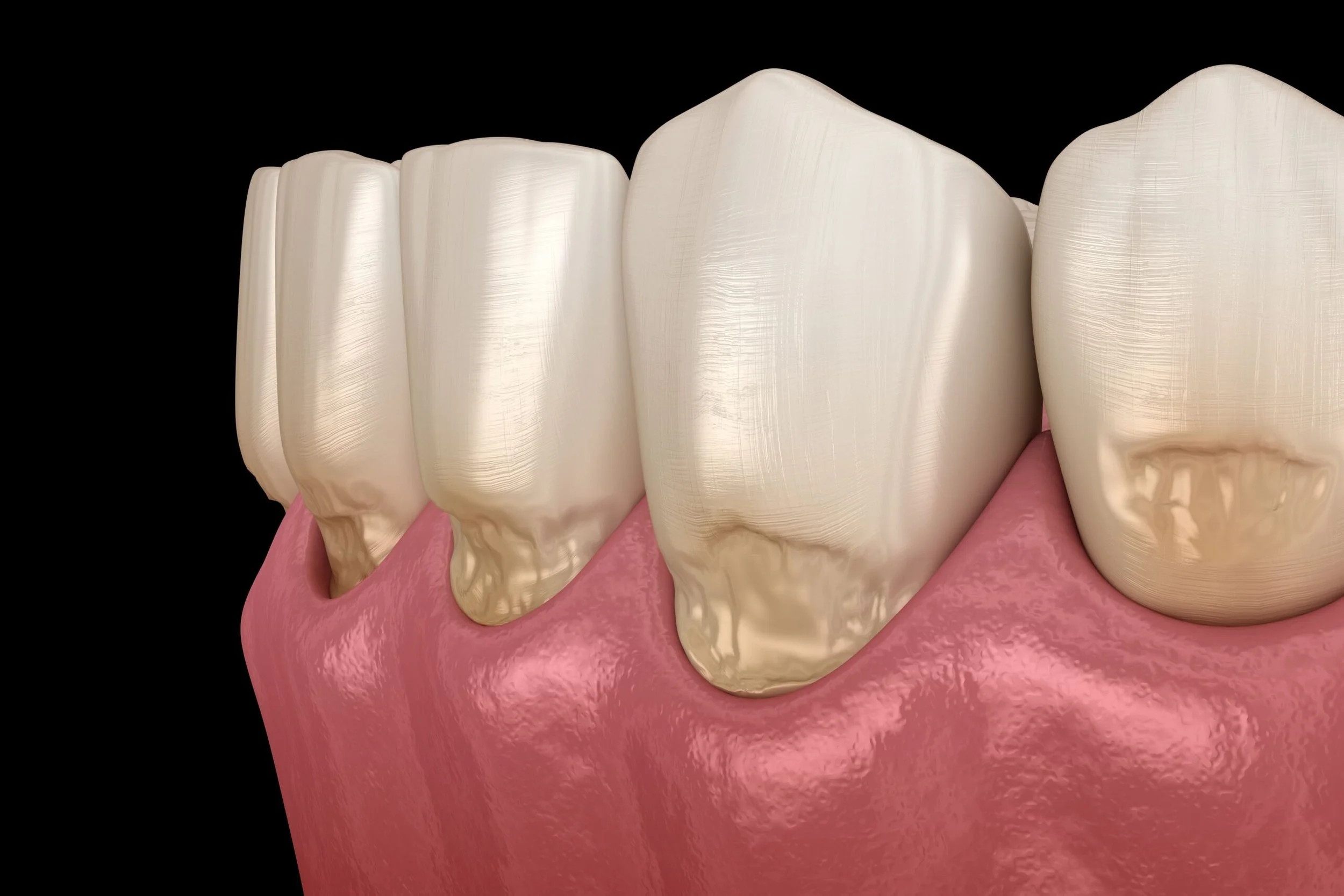
Receding gums or teeth that look visibly longer as the gum tissue pulls away.
Loose teeth, mobile dentition, or subtle changes in how your bite fits together.
Localized pain or physical discomfort while chewing.
Early intervention is the absolute key to successful tooth loss prevention and maintaining a healthy, functional smile.
Advanced Treatment Options and Periodontal Therapy
The major reason individuals avoid treating gum disease is the fear of aggressive, traditional manual scraping or invasive surgery. At Pain Free Dentist Sydney in Hurlstone Park, under the clinical leadership of Dr Lisa Chong (BDS, Hons, Otago), we utilize advanced technology to make periodontal therapy a highly comfortable, stress-free experience.
Depending on the progression of your infection, our customized gum disease treatment pathways include:
1. Professional Dental Cleaning: For early-stage gingivitis, a thorough dental cleaning removes harmful plaque and tartar above and below the gumline to stop the spread of infection.
2. Scaling and Root Planing: This targeted deep cleaning method treats more advanced gum disease. It smooths the root surfaces of the teeth, removing deep sub-gingival bacterial deposits and helping the gums reattach cleanly to the root structure.
3. Advanced Laser Debridement (The Gemini EVO Laser): To elevate standard periodontal therapy, our practice incorporates the advanced Gemini EVO Laser system. This dual-wavelength technology uses light energy to selectively destroy bacteria deep inside periodontal pockets while leaving healthy surrounding tissue completely untouched, significantly reducing bleeding and accelerating biological healing.
4. Targeted Medications: Specialized antibiotic gels, prescription mouth rinses, or oral medications may be integrated into your plan to actively reduce bacterial loads and control deep-seated inflammation.
5. Periodontal Surgery (If Needed): In severe, deeply advanced cases where non-surgical methods are insufficient, specialized procedures like flap surgery or bone and tissue grafts are utilized to restore lost gum and bone health.
Specialized Sedation Options for High Anxiety
If you have severe dental phobia or highly sensitive teeth, we offer tailored oral sedatives, inhalation happy gas, and specialized Intravenous (IV) Twilight Sedation monitored on-site by qualified professionals. This enables anxious patients to rest in a dream-like state, completely unaware of the clinical environment.
Real Treatment Outcomes: A Patient Success Story
Taking a comprehensive, gentle approach to chronic gum conditions consistently changes how our patients view ongoing preventative care. One of our long-term patients recently shared her experience:
"I have been receiving dental care from Dr Lisa for over 10 years. She came highly recommended. Dr Lisa was so thorough; I have never had an experience where my dentist really takes such an in-depth analysis of your whole body to identify the root cause of an issue. She catered completely to my acute sensitivities and provided a truly wonderful, gentle experience." — Verified Patient Review
Understanding Periodontal Treatment Costs in Sydney
The investment required to prevent gum disease from worsening depends entirely on the depth of the bacterial pockets and how many quadrants of the mouth require treatment. Because gum disease is an active medical infection, an accurate quote cannot be ethically provided without a comprehensive clinical chart and professional pocket measurements.
Following your initial assessment with Dr Lisa Chong, you will receive a complete, itemized treatment plan breaking down the relevant Australian Dental Association (ADA) item codes, with absolutely no hidden fees.
To keep care accessible, we operate a direct HICAPS terminal on-site, allowing major private health fund rebates to be claimed instantly so you only pay the remaining gap fee. We also support approved flexible payment platforms, including Afterpay and Zip, to help distribute out-of-pocket balances into manageable installments.
Practical Prevention Tips to Stop Gum Infection
Maintaining your results requires a commitment to proper home care. Follow this daily blueprint to prevent gum disease:
Brush your teeth at least twice daily using a soft-bristled toothbrush and fluoride toothpaste.
Floss daily or utilize interdental brushes to clear plaque from the vulnerable micro-gaps between your teeth.
Visit your dentist regularly for professional checkups and cleanings to clear tartar before it causes damage.
Avoid smoking, reduce tobacco use, and maintain a balanced, nutrient-dense diet to support your immune system.
Practice Information & Regulatory Standards
Where is the clinic located? > Our modern practice is located at The Garnet Building, Suite G1A / 570 New Canterbury Road, Hurlstone Park, NSW 2193 (directly opposite Skein Sisters). Dedicated street parking is available on surrounding streets, including Duntroon Street and Garnet Street.
Regulatory Disclaimer: > Individual physiological responses to periodontal treatments vary based on systemic health, home care maintenance, and past disease progression. Any clinical procedure carries inherent risks. To establish an accurate diagnosis and treatment path, a comprehensive professional evaluation is required. We always recommend seeking a secondary opinion from a qualified health practitioner prior to commencing invasive medical care.
Contact Pain Free Dentists Sydney
Protect your gums, safe-guard your physical health, and work toward tooth loss prevention. Contact our friendly team to schedule your comprehensive consultation today: