
Root Canal Treatment – Save Your Tooth and Relieve Pain

What Is Root Canal Treatment?

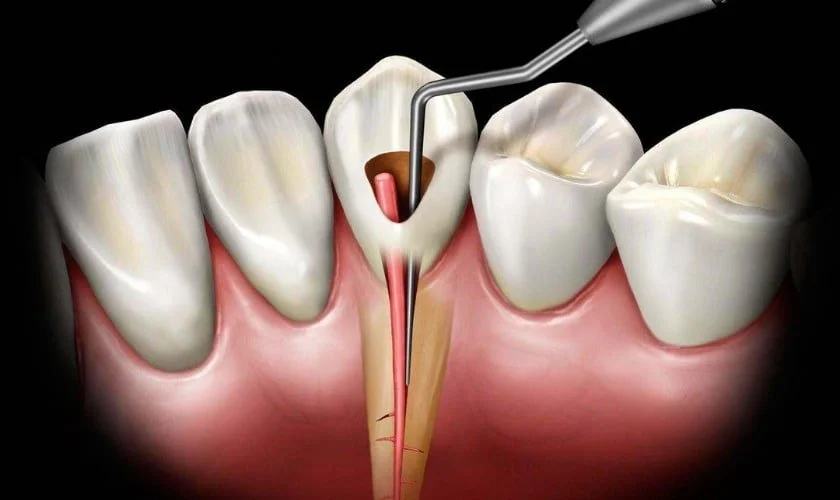
A root canal treatment is a dental procedure that saves a tooth with infected or damaged pulp. It removes infection, cleans the canals, and seals the tooth, preventing tooth loss.

Patients in Sydney choose root canal treatment to relieve severe pain, swelling, and infection while keeping their natural teeth.

Signs You Might Need a Root Canal

  • Severe toothache, especially when chewing

  • Sensitivity to hot or cold

  • Swollen gums or abscess near the tooth

  • Darkening or discoloration of the tooth

  • Persistent pain after trauma

Step-by-Step Root Canal Procedure

1. Diagnosis & X-Rays

Your dentist examines the tooth and takes X-rays to identify the infection.

2. Local Anaesthesia

The area is numbed for a pain-free procedure.

3. Removing Infected Pulp

The infected tissue is removed from the tooth’s canals.

4. Cleaning & Shaping Canals

Canals are cleaned, disinfected, and shaped for filling.

5. Filling & Sealing

The canals are sealed to prevent future infection.

6. Restoration

A crown or filling restores the tooth’s strength and appearance.

How Much Does a Root Canal Cost in Australia?

  • Single-root tooth: $800–$1,500

  • Multi-root tooth: $1,200–$2,500

  • Final crown may cost additional $800–$2,000

Costs vary based on tooth complexity, dentist experience, and location.

Pain and Recovery

Modern root canal treatments are virtually painless. Post-procedure soreness usually lasts 1–2 days. Proper care ensures long-term tooth health.

Tips for After Root Canal Treatment

  • Avoid chewing on treated tooth until fully restored

  • Maintain good oral hygiene

  • Attend follow-up appointments

  • Report unusual swelling or pain promptly

Final Thoughts

Root canal treatment is a safe, effective way to save an infected tooth and relieve pain. Don’t wait—consult a dentist in Sydney if you experience severe tooth pain, swelling, or infection.

Sleep Dentistry – Comfortable and Anxiety-Free Dental Care

What Is Sleep Dentistry?

Sleep dentistry, also called sedation dentistry, helps patients feel relaxed or completely asleep during dental procedures. It’s ideal for people with:

  • Dental anxiety or fear

  • Gag reflex issues

  • Complex procedures like implants or wisdom teeth removal

Dentists in Sydney offer sleep dentistry to provide a stress-free and pain-free experience.

Types of Sedation Used in Sleep Dentistry

1. Nitrous Oxide (“Laughing Gas”)

  • Fast-acting and safe

  • Relieves anxiety

  • Patient remains awake but relaxed

2. Oral Sedation

  • Pills taken before the procedure

  • Produces drowsiness

  • Patient may feel very relaxed but responsive

3. IV Sedation

  • Administered through a vein

  • Deeper sedation

  • Often used for longer or more complex procedures

Who Can Benefit from Sleep Dentistry?

  • Patients with severe dental anxiety

  • Children needing extensive dental work

  • Patients undergoing long procedures (implants, crowns, root canals)

  • Patients with sensitive teeth or strong gag reflex

Benefits of Sleep Dentistry

  • Painless dental procedures

  • Reduced anxiety and stress

  • Ability to complete multiple procedures in one visit

  • Safe and monitored by professionals

  • Faster, more comfortable recovery

Safety Considerations

  • Only trained dentists and assistants should administer sedation

  • Vital signs are monitored throughout the procedure

  • Pre-treatment consultation is required

Tips for Patients

  • Follow pre-sedation instructions carefully

  • Arrange transportation home after IV or oral sedation

  • Inform your dentist of medications or health conditions

Final Thoughts

Sleep dentistry makes dental care accessible for anxious patients or those needing complex treatment. If fear or discomfort has been holding you back, a consultation with a sedation dentist in Sydney can change your dental experience completely.

Sleep Apnea and TMJ Disorders – Causes, Symptoms, and Treatment

What Is Sleep Apnea?

Sleep apnea is a sleep disorder where breathing stops and starts repeatedly during sleep. Symptoms include:

  • Loud snoring

  • Daytime fatigue

  • Morning headaches

  • Difficulty concentrating

Dentists in Sydney often provide oral appliance therapy, which is a comfortable alternative to CPAP machines.

What Is TMJ Disorder?

TMJ (temporomandibular joint) disorder affects the jaw joint and muscles controlling jaw movement. Symptoms include:

  • Jaw pain or stiffness

  • Clicking or popping sound

  • Headaches

  • Teeth grinding (bruxism)

  • Difficulty opening or closing the mouth

Causes of Sleep Apnea & TMJ Problems

Sleep Apnea:

  • Obstructed airway

  • Obesity

  • Enlarged tonsils or tongue

  • Sleep position

TMJ Disorders:

  • Teeth grinding

  • Jaw clenching

  • Arthritis in the jaw

  • Injury or trauma

Treatment Options

✔ Sleep Apnea

  • Oral appliances (mandibular advancement devices)

  • Lifestyle changes (weight, sleeping position)

  • CPAP therapy for severe cases

✔ TMJ Disorders

  • Night guards or splints

  • Physical therapy and jaw exercises

  • Pain management medications

  • Dental corrections for bite alignment

Preventive Tips

  • Avoid clenching teeth at night

  • Maintain good posture and sleep position

  • Use soft diet if jaw pain is severe

  • Visit a dentist early for diagnosis

Why See a Dentist for Sleep Apnea & TMJ?

Dentists specialize in oral appliances for sleep apnea and TMJ relief. Early intervention can:

  • Reduce pain

  • Improve sleep quality

  • Prevent teeth and jaw damage

Final Thoughts

Sleep apnea and TMJ disorders impact quality of life but are treatable. Consulting a dental specialist in Sydney can provide custom solutions, from oral devices to lifestyle guidance, for better sleep and jaw health.