Emergency Dentist: What to Do in a Dental Emergency

What Is a Dental Emergency?

A dental emergency is any situation involving severe pain, bleeding, infection, or trauma that needs immediate care. Many patients in Sydney search for an emergency dentist when they experience sudden discomfort.

Common Dental Emergencies

😖 Severe Toothache

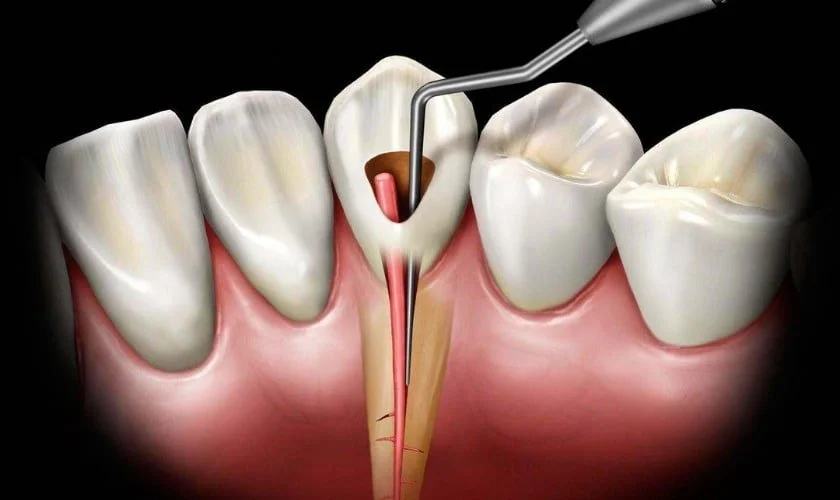
Persistent pain may indicate infection or nerve damage. Immediate treatment can prevent the problem from worsening.

🦷 Broken or Chipped Tooth

Cracks or fractures expose the inner tooth, increasing sensitivity and infection risk.

🩸 Knocked-Out Tooth

If a tooth is knocked out, quick action can save it. See a dentist within 30–60 minutes.

😷 Dental Abscess or Swelling

Swelling in the gums or face can be dangerous and should be treated urgently.

What to Do in a Dental Emergency

✔️ Toothache

  • Rinse your mouth with warm salt water

  • Use a cold compress

  • Avoid very hot or cold foods

✔️ Knocked-Out Tooth

  • Hold the tooth by the crown

  • Rinse gently without scrubbing

  • Try placing it back or store in milk

✔️ Broken Tooth

  • Save the pieces

  • Avoid chewing on that side

  • Visit your dentist immediately

Why Immediate Treatment Is Important

Delaying emergency dental care can lead to:

  • Infection spreading

  • Tooth loss

  • More complex and expensive treatment

When Should You Call an Emergency Dentist?

Call immediately if you experience:

  • Severe pain

  • Swelling

  • Bleeding

  • Trauma

  • Fever or infection

Final Thoughts

Dental emergencies can happen anytime. Quick action and professional care can save your tooth and prevent complications. If you need an emergency dentist, don’t wait—seek treatment as soon as possible.

Dental Implants: The Complete Guide for Patients

What Are Dental Implants?

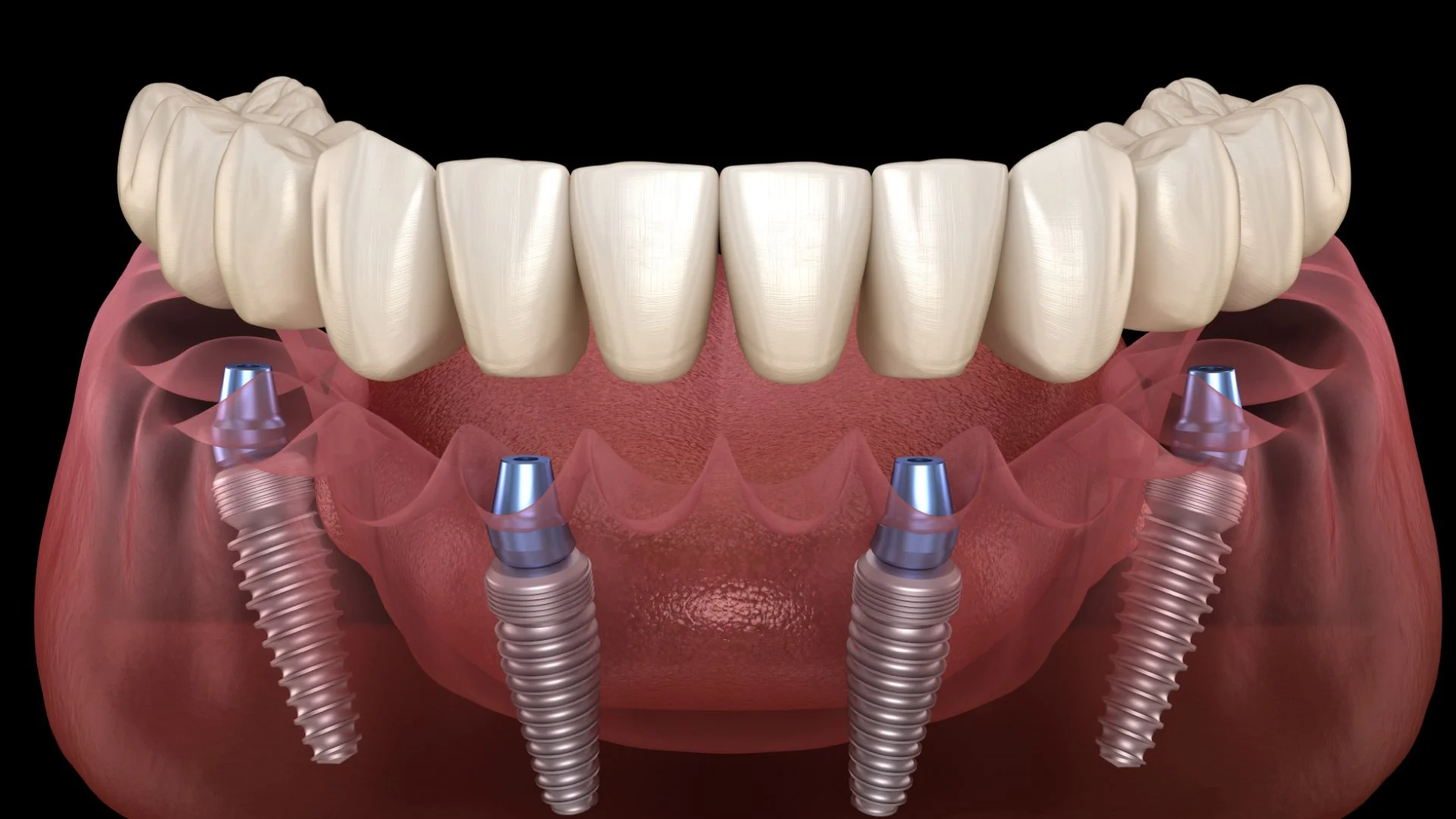
Dental implants are the most advanced and long-lasting solution for replacing missing teeth. They are small titanium posts placed in the jawbone to support crowns, bridges, or dentures. Unlike traditional options, implants look, feel, and function like natural teeth.

Patients across Sydney and Australia are choosing implants because they offer a permanent and natural smile.

Why Dental Implants Are the Best Tooth Replacement Option

✅ Natural Look and Feel

Dental implants blend with your natural teeth. Most people won’t even know you have them.

✅ Long-Term Solution

With proper care, dental implants can last 20+ years or even a lifetime.

✅ Prevent Bone Loss

When a tooth is missing, the jawbone shrinks. Implants stimulate the bone and keep your face structure intact.

✅ Improved Confidence

You can eat, speak, and smile without worrying about dentures slipping.

Who Is a Good Candidate for Dental Implants?

You may be suitable if you:

  • Have one or more missing teeth

  • Have healthy gums

  • Have enough jawbone

  • Want a permanent solution

  • Are in good general health

Even if you have bone loss, modern treatments like bone grafting can help.

Step-by-Step Dental Implant Procedure

1. Consultation and Planning

Your dentist assesses your teeth, gums, and bone using X-rays or 3D scans.

2. Implant Placement

The titanium implant is placed into the jaw under local anaesthesia.

3. Healing Period

Over 3–6 months, the implant fuses with the bone (osseointegration).

4. Crown Placement

A custom crown is attached, restoring your smile.

How Much Do Dental Implants Cost?

The cost varies depending on:

  • Number of implants

  • Bone grafting

  • Type of restoration

  • Dentist experience

In Australia, implants typically range between $3,000 and $7,000 per tooth. While the initial cost is higher, they last longer than bridges or dentures.

Are Dental Implants Painful?

Most patients say the procedure is easier than expected. Modern anaesthesia and techniques make it comfortable. Mild swelling and soreness usually last a few days.

Dental Implants vs Dentures vs Bridges

FeatureDental ImplantsDenturesBridgesLifespan20+ years5–10 years10–15 yearsBone preservationYesNoPartialStabilityExcellentModerateGoodNatural lookExcellentGoodVery good

How to Care for Dental Implants

  • Brush and floss daily

  • Regular dental check-ups

  • Avoid smoking

  • Maintain good oral hygiene

Implants require the same care as natural teeth.

Why Choose a Dental Implant Specialist?

An experienced implant dentist ensures:

  • Better success rates

  • Advanced technology

  • Faster healing

  • Natural results

Always check reviews and qualifications before choosing your clinic.

Final Thoughts

Dental implants are the gold standard for replacing missing teeth. They improve your oral health, confidence, and quality of life. If you’re considering treatment, booking a consultation is the first step to restoring your smile.

Gum Disease: Causes, Symptoms, Treatment & Prevention

Healthy gums are the foundation of a beautiful, long‑lasting smile. However, gum disease (also known as periodontal disease) is one of the most common oral health problems worldwide. Many people don’t realise they have it until it becomes serious. In this guide, we’ll explain what gum disease is, its causes, symptoms, treatments, and how you can prevent it.

What Is Gum Disease?

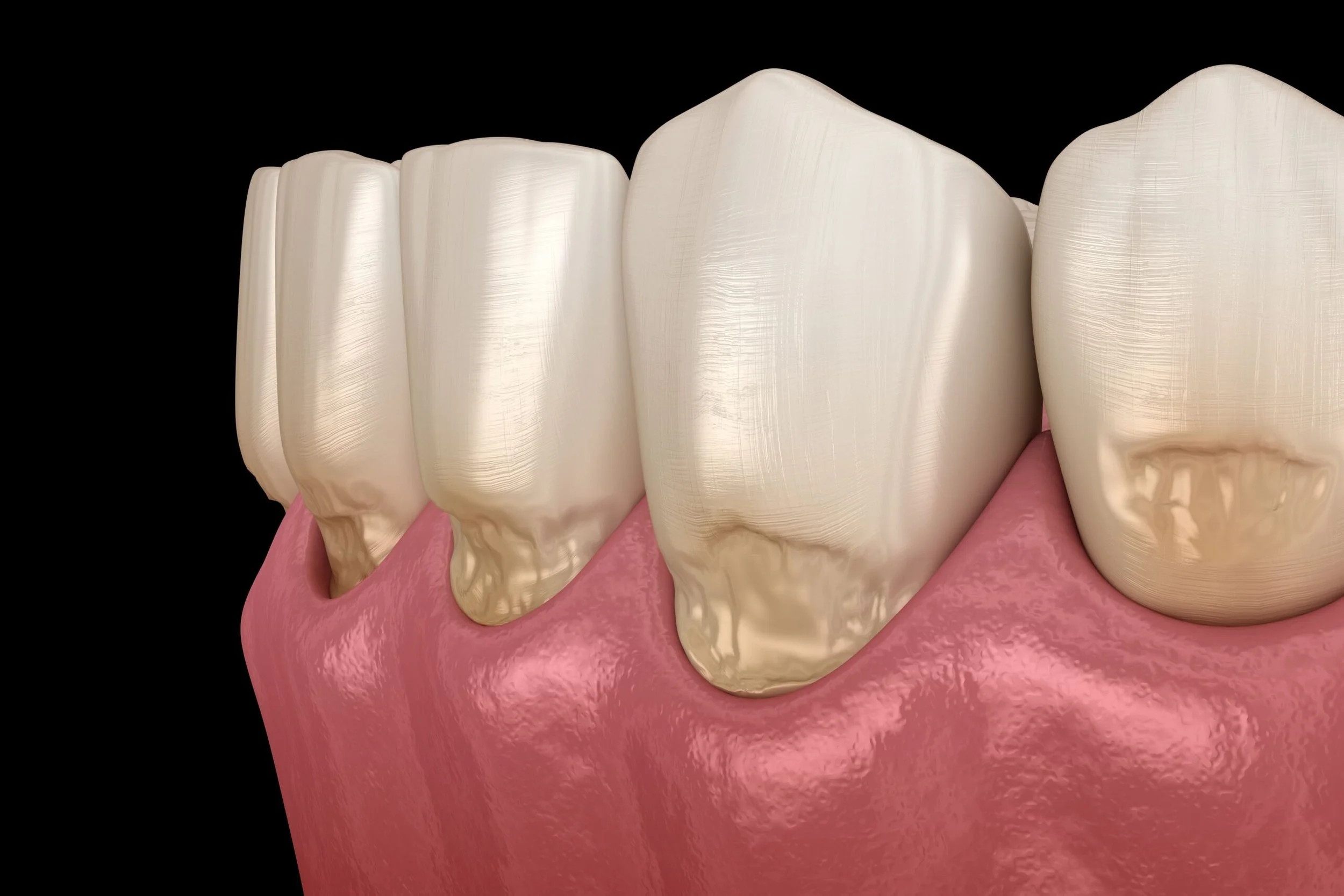
Gum disease is a bacterial infection that affects the gums and supporting structures of the teeth. It begins with plaque buildup and, if untreated, can lead to tooth loss and other health complications.

There are two main stages:

Gingivitis

The early stage of gum disease, which causes inflammation and bleeding but is usually reversible.

Periodontitis

A more advanced stage that can damage the bone and lead to loose teeth or tooth loss.

What Causes Gum Disease?

Several factors contribute to gum disease, including:

  • Poor oral hygiene

  • Plaque and tartar buildup

  • Smoking or tobacco use

  • Genetics

  • Diabetes

  • Hormonal changes

  • Stress

  • Certain medications

Regular dental visits and good home care are essential for prevention.

Common Signs and Symptoms

Many people overlook the early warning signs. Watch for:

  • Bleeding gums when brushing or flossing

  • Red, swollen, or tender gums

  • Persistent bad breath

  • Receding gums

  • Loose or shifting teeth

  • Pain when chewing

If you notice any of these symptoms, it’s important to see a dentist promptly.

Why Gum Disease Is Serious

Untreated gum disease doesn’t just affect your smile—it can impact your overall health. Research links periodontal disease with:

  • Heart disease

  • Diabetes complications

  • Stroke

  • Pregnancy complications

Early diagnosis and treatment are essential.

Gum Disease Treatment Options

The right treatment depends on the stage and severity of the condition.

Professional Cleaning

For early gingivitis, a thorough clean may be enough.

Scaling and Root Planing

A deep cleaning procedure that removes bacteria below the gum line.

Antibiotic Therapy

Used to control bacterial infection.

Advanced Periodontal Treatment

Includes surgical options for severe cases.

How to Prevent Gum Disease

Prevention is always better than treatment. Follow these tips:

  • Brush twice daily with fluoride toothpaste

  • Floss every day

  • Use antibacterial mouthwash

  • Visit your dentist every 6 months

  • Quit smoking

  • Maintain a healthy diet

Gum Disease and Tooth Loss

Gum disease is the leading cause of tooth loss in adults. Protecting your gums is key to maintaining strong teeth and avoiding complex treatments such as dental implants.

Why Choose Our Clinic?

We provide comprehensive periodontal care using modern technology and gentle techniques. Our experienced team focuses on early detection, prevention, and personalised treatment plans.

We offer:

  • Comprehensive gum assessments

  • Advanced deep cleaning

  • Patient education

  • Ongoing maintenance programs

Book Your Gum Health Check Today

If you’re experiencing bleeding gums or bad breath, don’t ignore it. Early treatment can save your teeth and improve your overall health. Contact our friendly team today to schedule your consultation.