Botox for TMJ Pain: A Modern Solution for Jaw Tension and Discomfort

If you suffer from jaw pain, headaches, or difficulty chewing, you may be dealing with TMJ disorder—short for temporomandibular joint disorder. One increasingly popular treatment option is Botox injections, which can help relieve muscle tension and reduce pain.

What Is TMJ Disorder?

Temporomandibular Joint Disorder affects the jaw joint and surrounding muscles. It can cause:

  • Jaw pain or tenderness

  • Clicking or popping sounds

  • Headaches or ear pain

  • Difficulty opening or closing the mouth

  • Facial muscle tightness

One of the most common causes is excessive jaw muscle activity, often from clenching or grinding.

How Botox Helps TMJ Pain

Botox (botulinum toxin) works by temporarily relaxing overactive jaw muscles. When injected into specific areas, it reduces muscle contractions that contribute to pain and tension.

This can help:

  • Relieve jaw clenching and grinding

  • Reduce tension headaches

  • Improve jaw mobility

  • Decrease facial muscle soreness

What to Expect During Treatment

The procedure is quick and minimally invasive:

  1. Your dentist or specialist assesses your jaw muscles

  2. Small injections are placed in targeted areas

  3. The treatment takes about 10–20 minutes

  4. No downtime is usually required

Most patients begin noticing relief within a few days to two weeks.

How Long Does Botox for TMJ Last?

Results typically last 3 to 4 months, after which follow-up treatments may be needed. Over time, some patients notice reduced symptoms as muscle activity becomes better controlled.

Benefits of Botox for TMJ

  • Non-surgical treatment option

  • Fast procedure with minimal discomfort

  • Reduces pain and muscle tension

  • May help prevent teeth grinding damage

  • Improves quality of life

Are There Any Side Effects?

Botox for TMJ is generally safe when performed by a qualified professional. However, possible side effects may include:

  • Mild swelling or bruising at injection site

  • Temporary jaw weakness

  • Slight difficulty chewing (rare)

These effects usually resolve quickly.

Is Botox Right for You?

You may be a candidate if you:

  • Experience chronic jaw pain or clenching

  • Have not found relief from night guards or therapy

  • Suffer from frequent tension headaches

  • Want a non-surgical treatment option

A dental or medical evaluation is essential before starting treatment.

Final Thoughts

TMJ pain can significantly affect daily life, but modern treatments like Botox offer real relief for many patients. By relaxing overactive jaw muscles, it can reduce pain, improve function, and help you feel more comfortable again.

Take the Next Step

If you’re struggling with jaw tension or TMJ symptoms, speak with a qualified dental professional to see if Botox treatment is right for you.

Cracked Teeth from Grinding: Causes, Symptoms & How to Protect Your Smile

Do you wake up with jaw pain or sensitive teeth? You might be grinding your teeth at night—a condition known as bruxism. Over time, this habit can lead to cracked teeth, a serious dental issue that often goes unnoticed until it worsens.

Let’s break down why it happens, how to spot it early, and what you can do to protect your teeth.

What Is Teeth Grinding (Bruxism)?

Bruxism is the involuntary clenching or grinding of teeth, often during sleep. Many people don’t even realize they’re doing it until symptoms appear or a dentist detects signs of damage.

How Grinding Causes Cracked Teeth

When you grind your teeth, you apply excessive pressure—far more than normal chewing. This constant force can:

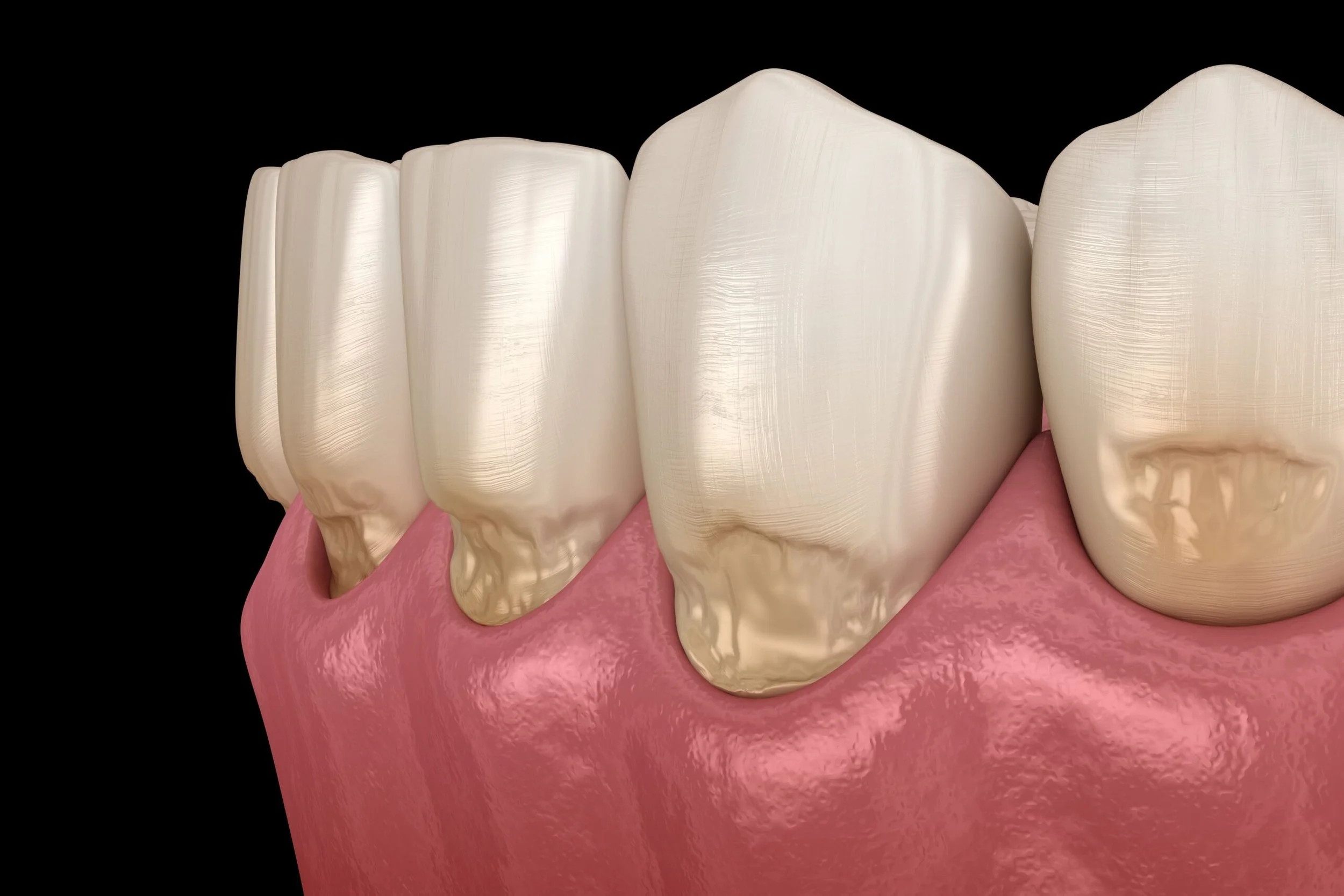
  • Wear down enamel

  • Create tiny fractures (hairline cracks)

  • Lead to deeper cracks over time

  • Weaken the overall tooth structure

Eventually, these cracks can worsen, causing pain or even tooth loss if left untreated.

Signs You May Have a Cracked Tooth

Cracked teeth aren’t always visible, but common symptoms include:

  • Sharp pain when biting or chewing

  • Sensitivity to hot, cold, or sweet foods

  • Intermittent discomfort (pain comes and goes)

  • Swelling around the affected tooth

  • A rough or uneven tooth surface

If you notice any of these symptoms, it’s important to see a dentist early.

Common Causes of Teeth Grinding

Bruxism can be triggered by several factors:

  • Stress and anxiety

  • Sleep disorders

  • Misaligned teeth (bite issues)

  • Caffeine or alcohol consumption

  • Certain medications

Identifying the cause helps guide effective treatment.

Treatment Options for Cracked Teeth

The right treatment depends on the severity of the crack:

1. Dental Bonding

For minor cracks, a tooth-colored resin can restore the tooth’s appearance and function.

2. Dental Crown

A crown covers and protects a damaged tooth, preventing further cracking.

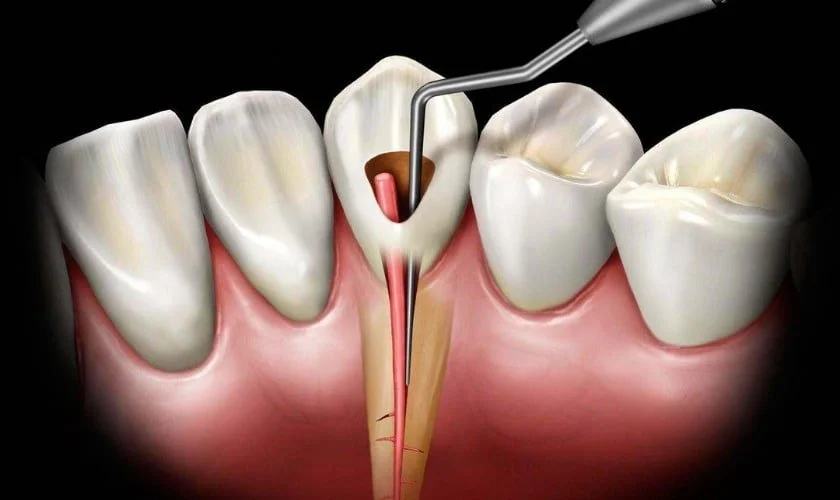
3. Root Canal

If the crack reaches the pulp, this procedure removes infected tissue and saves the tooth.

4. Tooth Extraction

In severe cases where the tooth cannot be saved, removal may be necessary.

How to Prevent Cracked Teeth from Grinding

Prevention is key when it comes to bruxism:

Wear a Night Guard

A custom mouthguard protects your teeth while you sleep.

Manage Stress

Relaxation techniques like meditation or exercise can reduce grinding.

Avoid Hard Foods

Chewing ice or hard candies can worsen cracks.

Limit Caffeine & Alcohol

These can increase grinding, especially at night.

Regular Dental Check-Ups

Early detection can prevent minor cracks from becoming major problems.

Why Early Treatment Matters

Ignoring a cracked tooth can lead to:

  • Infection

  • Severe pain

  • Tooth loss

  • More expensive treatments later

The sooner you address the issue, the better your chances of saving the tooth.

Final Thoughts

Teeth grinding might seem harmless, but over time it can cause serious damage like cracked teeth. The good news? With early detection and the right care, you can protect your smile and avoid long-term complications.

Take the Next Step

If you suspect you’re grinding your teeth or have a cracked tooth, book a dental check-up. Protecting your teeth today can save you pain—and money—tomorrow.

Dental Implants: The Modern Solution for a Confident Smile

Missing teeth can affect more than just your appearance—they can impact your confidence, speech, and overall oral health. Fortunately, dental implants have revolutionized the way we restore smiles. If you're considering tooth replacement options, this guide will walk you through everything you need to know about dental implants in a clear, engaging, and easy-to-understand way.

What Are Dental Implants?

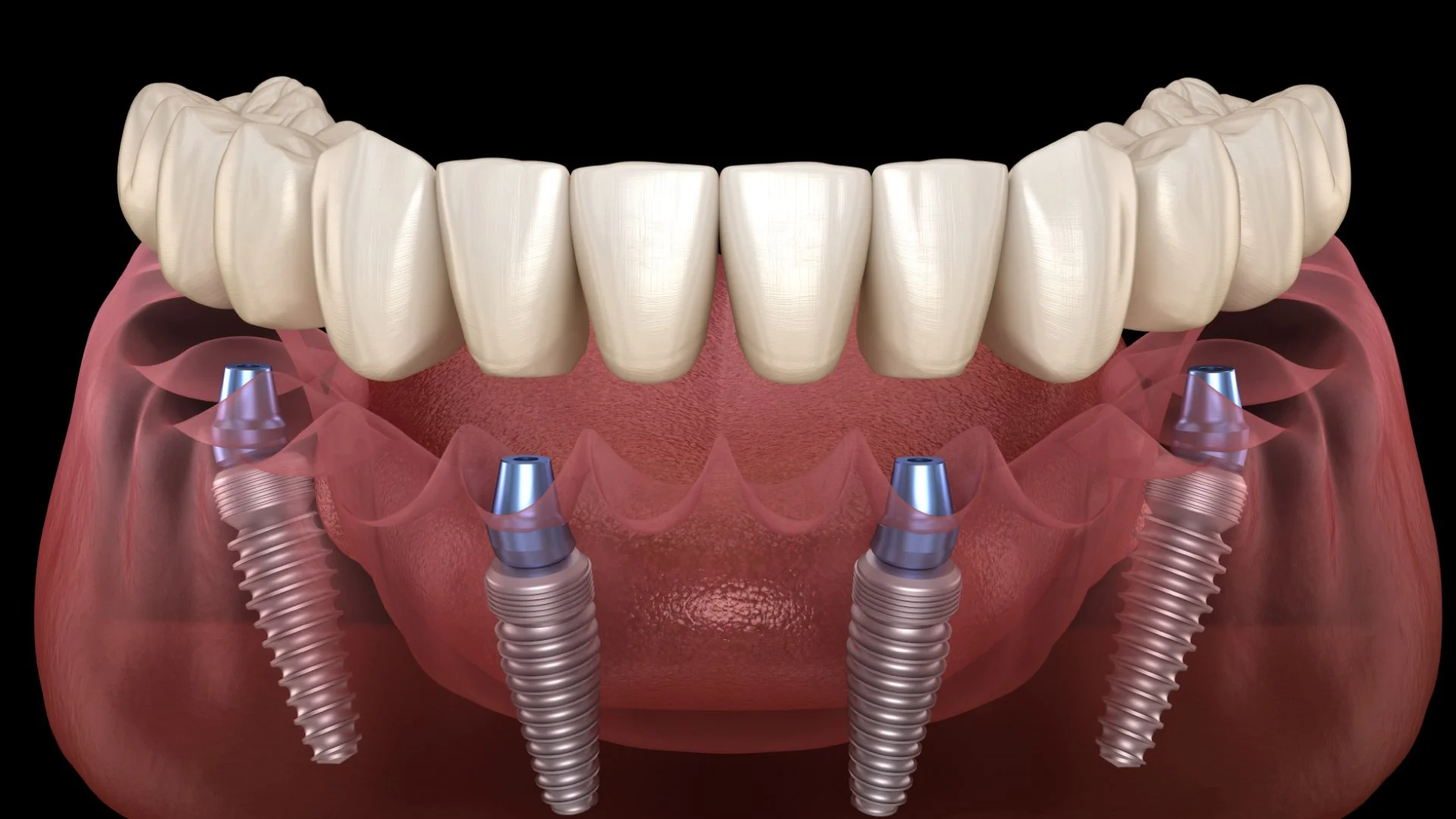
Dental implants are a long-lasting solution for replacing missing teeth. They consist of three main parts:

  • Titanium post – acts as the artificial tooth root

  • Abutment – connects the implant to the crown

  • Dental crown – the visible part that looks like a natural tooth

Unlike dentures or bridges, implants are surgically placed into your jawbone, providing a stable and permanent foundation.

Why Choose Dental Implants?

Dental implants have become one of the most popular tooth replacement options—and for good reason.

1. Natural Look and Feel

Implants are designed to match your natural teeth, making them virtually indistinguishable from the real thing.

2. Long-Lasting Solution

With proper care, dental implants can last decades—often a lifetime.

3. Improved Oral Health

Unlike traditional bridges, implants don’t require grinding down adjacent teeth, preserving your natural tooth structure.

4. Better Functionality

Eat, speak, and smile with confidence. Implants function just like real teeth.

5. Bone Preservation

Implants stimulate the jawbone, preventing bone loss that typically occurs after tooth loss.

The Dental Implant Procedure: Step-by-Step

Understanding the process can help ease any concerns:

Step 1: Consultation and Planning

Your dentist evaluates your oral health, takes scans, and determines if you're a good candidate.

Step 2: Implant Placement

The titanium post is surgically inserted into the jawbone.

Step 3: Healing Period (Osseointegration)

Over several months, the implant fuses with the bone, creating a strong foundation.

Step 4: Abutment Placement

A small connector is attached to the implant.

Step 5: Crown Placement

A custom-made crown is fixed on top, completing your new smile.

Are You a Candidate for Dental Implants?

You may be a good candidate if you:

  • Have one or more missing teeth

  • Have healthy gums

  • Have sufficient jawbone density

  • Are a non-smoker or willing to quit during healing

  • Maintain good oral hygiene

Even if you have bone loss, procedures like bone grafting can often make implants possible.

Dental Implants vs. Other Options

FeatureDental ImplantsDenturesBridgesLongevity20+ years5–10 yrs10–15 yrsStabilityExcellentModerateGoodBone PreservationYesNoNoMaintenanceLowMediumMedium

How to Care for Dental Implants

Caring for implants is simple and similar to natural teeth:

  • Brush twice daily

  • Floss regularly

  • Visit your dentist for check-ups

  • Avoid chewing hard objects (like ice)

Good oral hygiene ensures your implants stay healthy and functional.

Common Myths About Dental Implants

“They’re painful.”
Most patients report minimal discomfort—often less than a tooth extraction.

“They’re too expensive.”
While the upfront cost is higher, implants are more cost-effective long-term.

“They look fake.”
Modern implants are designed for a completely natural appearance.

Final Thoughts

Dental implants are a reliable, durable, and aesthetically pleasing solution for missing teeth. They not only restore your smile but also improve your quality of life. If you're ready to regain confidence and oral function, dental implants may be the perfect choice.

Ready to Transform Your Smile?

Consult with your dentist to explore whether dental implants are right for you. A healthier, more confident smile could be just one step away.