Crowns, Veneers, and Cosmetic Dentistry: What You Need to Know Before Transforming Your Smile

A confident smile can change how you feel about yourself—and how others perceive you. Modern cosmetic dentistry offers a range of treatments designed to improve the appearance, function, and health of your teeth. Among the most popular options are dental crowns and veneers. While they’re often mentioned together, they serve different purposes and suit different needs.

Let’s break down what they are, how they work, and how to decide which option might be right for you.

What Is Cosmetic Dentistry?

Cosmetic dentistry focuses on improving the look of your teeth, gums, and overall smile. While many procedures also restore function, the primary goal is aesthetic enhancement—whiter teeth, better alignment, and a more balanced appearance.

Common cosmetic treatments include:

  • Teeth whitening

  • Dental veneers

  • Dental crowns

  • Bonding

  • Orthodontics (like clear aligners)

Dental Crowns: Strength Meets Aesthetics

A dental crown is essentially a “cap” placed over a damaged or weakened tooth. It restores the tooth’s shape, size, strength, and appearance.

When Are Crowns Used?

Crowns are typically recommended when a tooth is:

  • Severely decayed

  • Cracked or broken

  • Worn down

  • Treated with a root canal

  • Structurally compromised

Materials

Crowns can be made from:

  • Porcelain or ceramic (natural-looking)

  • Metal alloys (very durable)

  • Porcelain-fused-to-metal (a balance of strength and aesthetics)

Pros

  • Strong and long-lasting

  • Restores function as well as appearance

  • Protects damaged teeth

Cons

  • Requires significant reshaping of the natural tooth

  • More invasive than veneers

Dental Veneers: Aesthetic Perfection

Veneers are thin shells—usually made of porcelain or composite resin—bonded to the front surface of your teeth. They are primarily used for cosmetic improvements.

What Can Veneers Fix?

Veneers are ideal for correcting:

  • Discoloration or staining

  • Minor misalignment

  • Chips or cracks

  • Gaps between teeth

  • Uneven or worn edges

Pros

  • Natural, highly aesthetic appearance

  • Minimally invasive compared to crowns

  • Resistant to staining (especially porcelain veneers)

Cons

  • Not suitable for severely damaged teeth

  • Typically irreversible (a small amount of enamel is removed)

  • Can be costly, especially for multiple teeth

Crowns vs. Veneers: Key Differences

While both improve the look of your teeth, the main difference lies in coverage and purpose:

  • Crowns cover the entire tooth and are used when strength and protection are needed.

  • Veneers cover only the front surface and are mainly for cosmetic enhancement.

If your tooth is structurally sound but aesthetically imperfect, veneers may be the better choice. If the tooth is damaged or weakened, a crown is usually more appropriate.

Choosing the Right Option

The best treatment depends on several factors:

  • The condition of your teeth

  • Your aesthetic goals

  • Your budget

  • Your dentist’s recommendation

A thorough consultation—including X-rays and a smile assessment—will help determine the most suitable approach.

Final Thoughts

Cosmetic dentistry has come a long way, offering solutions that are both functional and beautiful. Whether you choose crowns, veneers, or another treatment, the goal is the same: a healthy, confident smile that lasts.

Before making a decision, take the time to understand your options and ask questions. A well-informed choice will ensure results that not only look great but also stand the test of time.

Give us a call at (02) 9558 8988 or go to www.painfreedentistsydney.com.au to book your consultation appointment today!

Abfraction from Bruxism: Why Your Teeth May Be Wearing Away at the Gumline

If you’ve noticed small notches near the base of your teeth or increased sensitivity, it might not be cavities—it could be abfraction. This type of tooth damage is often linked to long-term teeth grinding, also known as bruxism.

Understanding the connection between grinding forces and tooth structure is key to preventing further damage.

What Is Abfraction?

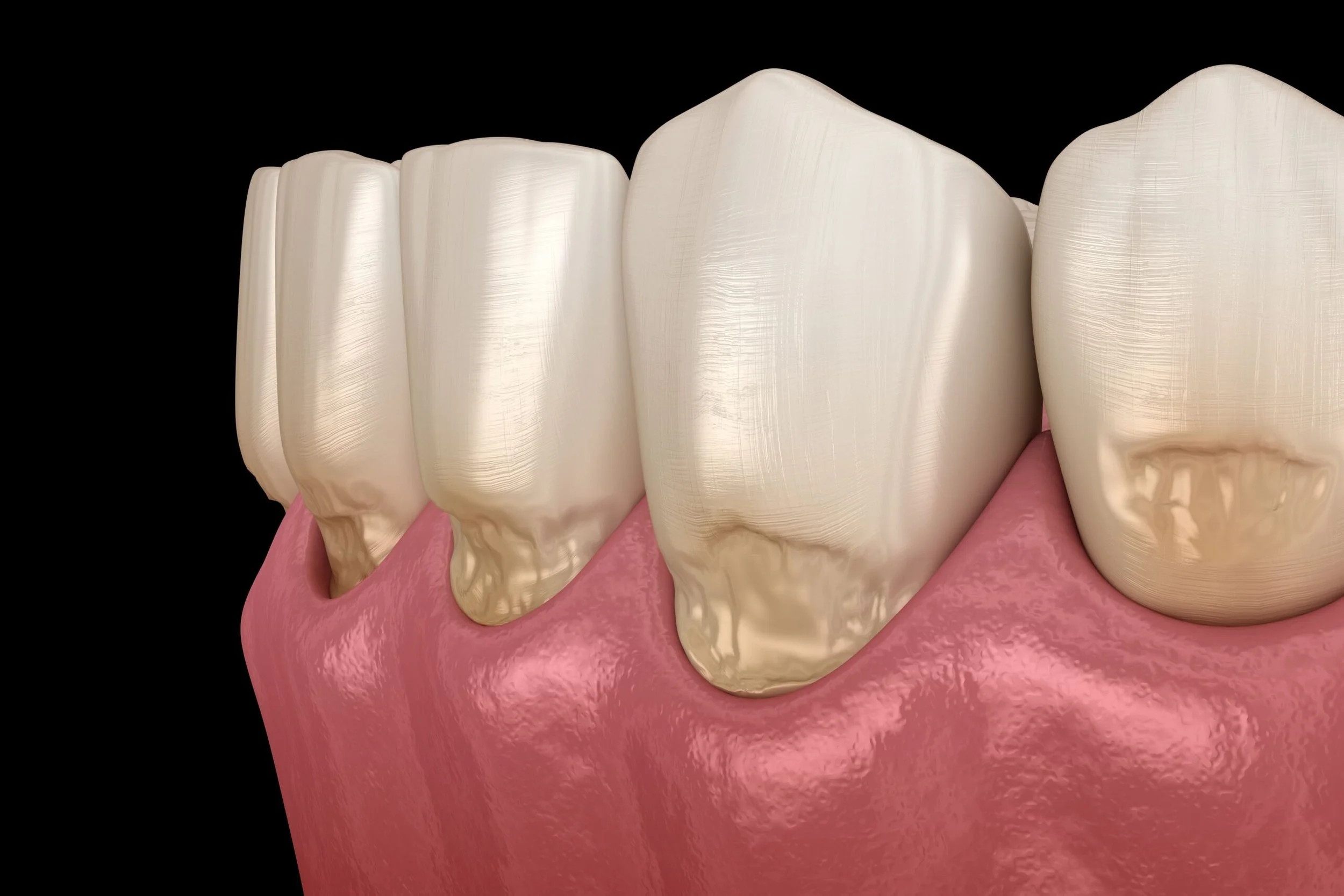
Abfraction Lesions are wedge-shaped defects that form near the gumline of teeth. Unlike decay caused by bacteria, abfraction is caused by mechanical stress—usually from excessive biting or grinding forces.

Over time, this repeated stress causes the enamel and dentin to flex and break down in one specific area.

How Bruxism Causes Abfraction

Bruxism places abnormal pressure on teeth, especially during sleep when grinding and clenching often go unnoticed.

This force can:

  • Concentrate stress at the gumline

  • Cause enamel micro-fractures

  • Gradually wear away tooth structure

  • Lead to V-shaped notches near the gums

Unlike normal wear from chewing, bruxism applies sideways and excessive pressure, which is especially damaging.

Signs You May Have Abfraction

Common symptoms include:

  • Notches or grooves near the gumline

  • Tooth sensitivity to cold or brushing

  • Gum recession around affected teeth

  • Sharp edges on tooth surfaces

  • Discomfort when biting

These lesions often develop slowly, so regular dental check-ups are important.

Why Abfraction Shouldn’t Be Ignored

If left untreated, abfraction can lead to:

  • Increased tooth sensitivity

  • Further enamel loss

  • Weakened tooth structure

  • Higher risk of cracks or fractures

  • Gum irritation and recession

Early treatment helps preserve both function and appearance.

Treatment Options for Abfraction

1. Night Guard Therapy

A custom mouthguard reduces grinding forces while you sleep, protecting teeth from further damage.

2. Dental Bonding

Tooth-colored composite material can restore lost structure and reduce sensitivity.

3. Bite Adjustment

In some cases, dentists may adjust the bite to reduce uneven pressure on teeth.

4. Bruxism Management

Stress reduction, lifestyle changes, or treatment for sleep disorders may help reduce grinding.

Preventing Further Damage

To protect your teeth from worsening abfraction:

  • Wear a night guard if you grind your teeth

  • Avoid excessive pressure when brushing

  • Manage stress levels

  • Limit caffeine and alcohol before bed

  • Visit your dentist regularly

Abfraction vs Tooth Decay

FeatureAbfractionTooth DecayCauseMechanical stress (grinding)Bacterial acidLocationGumlineAnywhere on toothAppearanceV-shaped notchCavities/holesTreatmentBonding, night guardFillings, decay removal

Final Thoughts

Abfraction caused by bruxism is often overlooked, but it can lead to long-term damage if not addressed. The good news is that with early diagnosis and proper treatment, you can protect your teeth and prevent further wear.

Take Action Early

If you notice sensitivity or notches near your gumline, it’s worth seeing a dentist. Managing bruxism early can make a big difference in preserving your smile.

IV Sedation for Dental Procedures: A Calm, Stress-Free Dental Experience

Dental anxiety is more common than many people think. If the idea of sitting in a dental chair makes you nervous, IV sedation dentistry may be the solution you’ve been looking for. It allows patients to undergo treatments in a deeply relaxed, stress-free state while still receiving safe and effective care.

What Is IV Sedation Dentistry?

Intravenous Sedation Dentistry is a technique where sedative medication is delivered directly into the bloodstream through a small IV line. This helps patients feel calm, drowsy, and often unaware of the procedure taking place.

Unlike general anesthesia, you are usually still conscious—but in a deeply relaxed state.

How IV Sedation Works

Here’s what typically happens during the process:

  1. A small IV is placed in your arm or hand

  2. Sedative medication is slowly administered

  3. You begin to feel relaxed and sleepy within minutes

  4. Your dentist performs the procedure while you remain comfortable

  5. Most patients have little or no memory of the treatment

What Dental Procedures Use IV Sedation?

IV sedation can be used for a wide range of treatments, including:

  • Tooth extractions (including wisdom teeth removal)

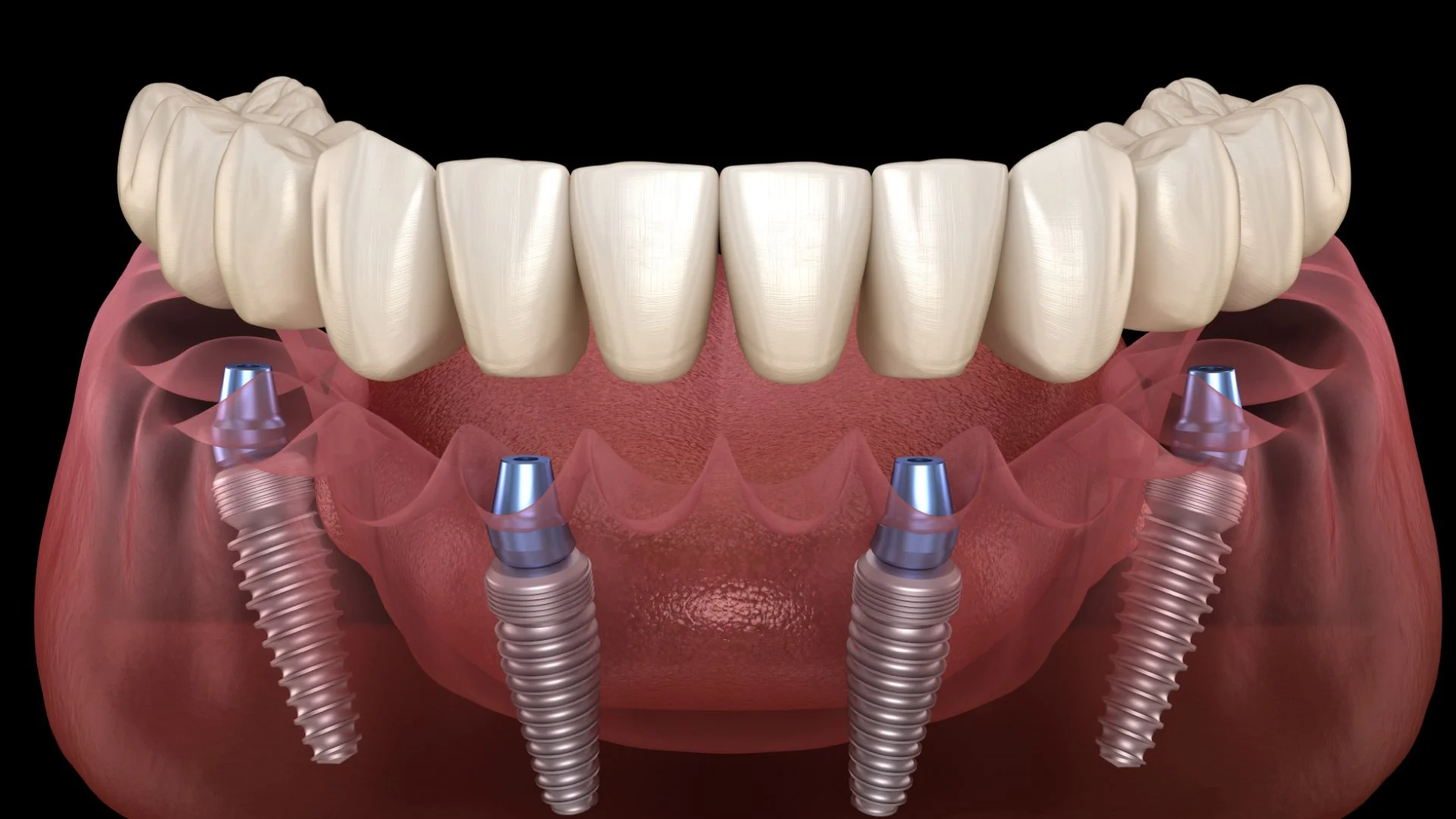
  • Dental implant placement

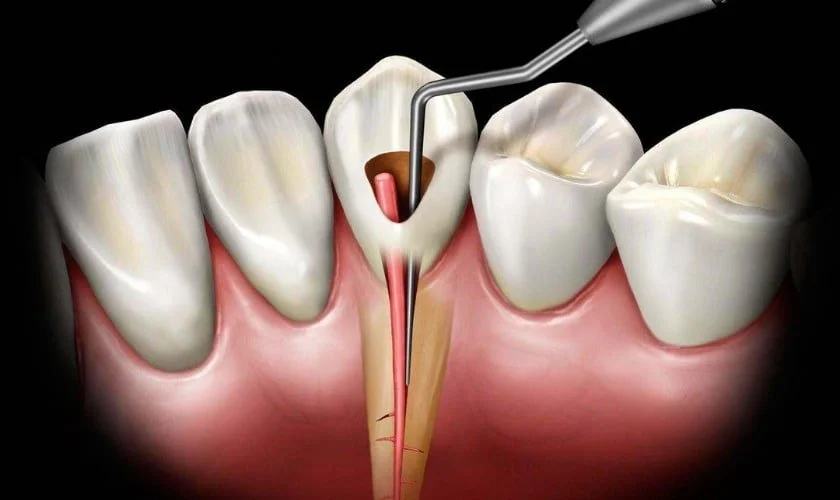
  • Root canal therapy

  • Multiple fillings or crowns

  • Full-mouth rehabilitation

  • Treatment for severe dental anxiety

Benefits of IV Sedation Dentistry

1. Reduced Anxiety and Fear

Patients feel calm and relaxed, making dental visits much easier.

2. Pain-Free Experience

You are unlikely to feel discomfort during the procedure.

3. Faster Treatment Completion

Dentists can often complete multiple procedures in one visit.

4. Minimal Memory of the Procedure

Many patients remember very little or nothing afterward.

5. Suitable for Complex Dental Work

Ideal for longer or more involved treatments.

Who Is a Good Candidate?

You may benefit from IV sedation if you:

  • Experience severe dental anxiety or phobia

  • Have a strong gag reflex

  • Require extensive dental treatment

  • Have difficulty sitting still for long procedures

  • Had traumatic dental experiences in the past

A dental assessment is required to ensure it is safe for you.

Safety of IV Sedation

IV sedation is considered very safe when administered by trained professionals. During the procedure, your vital signs—such as heart rate, oxygen levels, and blood pressure—are closely monitored.

However, you will need someone to drive you home afterward, as the effects take time to wear off.

Recovery After IV Sedation

Most patients feel groggy for a few hours after treatment. It’s recommended to:

  • Rest for the remainder of the day

  • Avoid driving or operating machinery

  • Drink fluids and eat light meals

  • Follow all post-procedure instructions

Normal activities can usually be resumed the next day.

IV Sedation vs Other Sedation Options

  • Nitrous oxide (laughing gas): Mild relaxation, wears off quickly

  • Oral sedation: Taken as a pill, moderate relaxation

  • IV sedation: Stronger, faster-acting, and more controlled

Final Thoughts

IV sedation dentistry has transformed the way patients experience dental care. It allows even the most anxious individuals to receive necessary treatment in a calm and comfortable environment, without fear or stress.

Take the Next Step

If dental anxiety has been holding you back, ask your dentist about IV sedation options. A comfortable, pain-free dental experience may be easier than you think.