Dental Implants vs Dental Bridge: Which Is the Better Tooth Replacement Option?

When it comes to replacing missing teeth, two of the most common treatments are dental implants and dental bridges. Both restore your smile, but they work in very different ways and offer different long-term benefits.

If you are deciding between a tooth implant and a dental bridge, understanding the differences can help you choose the best solution for your oral health and lifestyle.

What Is a Dental Implant?

A dental implant is a permanent tooth replacement option that involves placing a titanium post into the jawbone. This post acts as an artificial tooth root and supports a custom-made crown.

Dental implants are designed to look, feel, and function like natural teeth. They are widely considered the gold standard in implant dentistry for replacing missing teeth.

What Is a Dental Bridge?

A dental bridge is a fixed restoration that replaces one or more missing teeth by anchoring an artificial tooth between two adjacent natural teeth.

The supporting teeth are usually shaped and fitted with crowns to hold the bridge in place. A dental bridge restores appearance and function but relies on surrounding teeth for support.

Dental Implants vs Dental Bridge: Key Differences

When comparing dental implants vs dental bridge, the biggest difference is how they are supported. Implants are anchored directly into the jawbone, while bridges depend on neighbouring teeth.

Dental implants help preserve jawbone health by stimulating the bone, whereas bridges do not provide this stimulation, which may lead to gradual bone loss over time in the missing tooth area.

In terms of durability, dental implants typically last much longer. With proper care, implants can last decades or even a lifetime, while dental bridges may need replacement after several years.

Aesthetically, both options can look natural, but implants often provide a more realistic appearance because they emerge directly from the gum like a natural tooth.

Benefits of Dental Implants

Dental implants offer a long-term, stable solution for missing teeth replacement. They allow normal chewing and speaking without movement or discomfort.

Because they are fixed into the jawbone, implants do not rely on other teeth for support, helping preserve the health of surrounding natural teeth.

They also help maintain facial structure and prevent the sunken appearance that can occur after tooth loss.

For many patients, implants are considered the most natural and long-lasting option in tooth replacement treatment.

Benefits of Dental Bridges

A dental bridge is often chosen because it is a quicker and more affordable option compared to implants.

The procedure typically requires fewer visits and does not involve surgery, making it suitable for patients who want faster results.

Dental bridges can effectively restore appearance and basic chewing function, especially when surrounding teeth are already strong and healthy.

For some patients, a bridge may be a practical short to medium-term missing teeth solution.

Which Lasts Longer?

One of the biggest differences between dental implants and dental bridges is longevity.

Dental implants are designed for long-term use and can last many years with good oral hygiene. Dental bridges generally have a shorter lifespan and may need to be replaced over time due to wear or changes in supporting teeth.

Which Feels More Natural?

Dental implants feel more like natural teeth because they are anchored directly into the jawbone. This provides better stability and chewing strength.

Dental bridges also restore function, but because they rely on adjacent teeth, they may not feel as independent or strong as implants in the long term.

Which Option Is Right for You?

The choice between a dental implant and dental bridge depends on several factors, including oral health, number of missing teeth, budget, and long-term goals.

If you are looking for a permanent, low-maintenance solution, dental implants are often the preferred choice in modern implant dentistry.

If you need a faster and more affordable solution, a dental bridge may be suitable depending on your situation.

A professional dental consultation is the best way to determine the right tooth replacement option for you.

Conclusion

Both dental implants and dental bridges are effective ways to replace missing teeth, but they serve different needs.

Dental implants offer long-term durability, bone support, and a natural feel, making them the leading solution in modern dentistry. Dental bridges provide a quicker and more affordable alternative for restoring your smile.

Understanding the differences helps you make the best decision for your oral health and long-term confidence.

All-on-6 Dental Implants: A Permanent Full-Arch Smile Solution

If you are missing most or all of your teeth, All-on-6 dental implants offer a life-changing solution for full-mouth restoration. This advanced treatment uses six strategically placed implants to support a fixed set of replacement teeth, restoring full function, stability, and aesthetics.

Unlike removable dentures, All-on-6 implant dentistry provides a permanent, secure smile that looks and feels natural.

What Are All-on-6 Dental Implants?

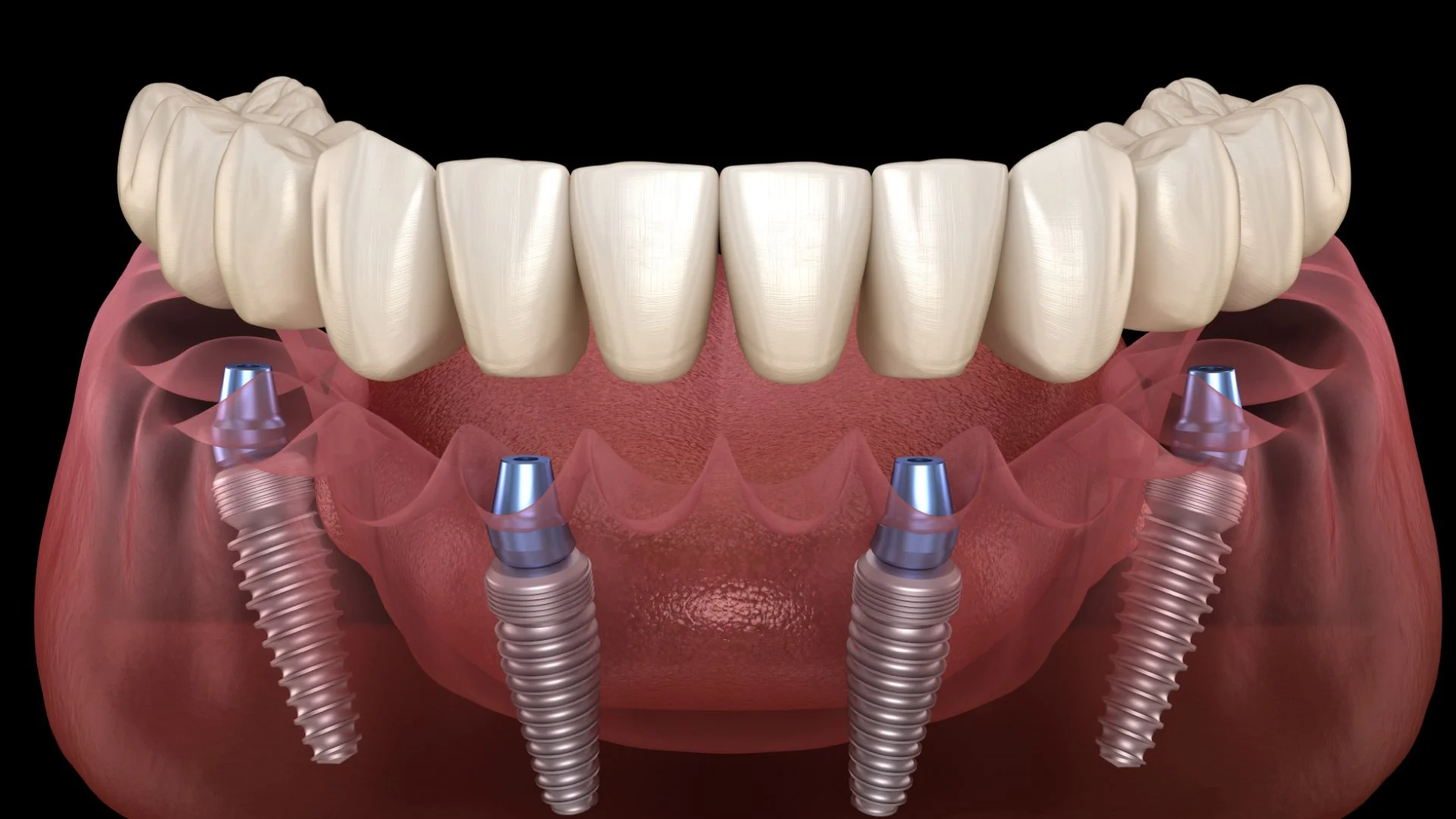
All-on-6 dental implants involve placing six titanium implants into the jawbone to support a full arch of prosthetic teeth. These implants act as strong anchors, holding a fixed bridge securely in place.

This technique is designed for patients who want a long-term, non-removable solution for full mouth tooth replacement.

How All-on-6 Implants Work

The treatment begins with the placement of six implants into the jawbone at precise angles for maximum support. Once placed, the implants integrate with the bone, forming a stable foundation.

After healing, a custom-made full arch bridge is attached to the implants. The result is a complete set of teeth that function like natural teeth, allowing you to eat, speak, and smile with confidence.

This advanced implant dentistry solution is designed for strength, stability, and long-term success.

Benefits of All-on-6 Dental Implants

One of the biggest advantages of All-on-6 dental implants is their ability to restore an entire smile with only six implants per arch. This reduces the need for individual implants while still providing excellent support and durability.

Patients experience improved chewing ability, allowing them to enjoy a wide variety of foods without discomfort or slipping.

A major benefit is the natural appearance. The prosthetic teeth are custom-designed to match facial structure and create a balanced, attractive smile.

All-on-6 implants also help maintain jawbone structure by stimulating the bone, which supports long-term oral health and facial aesthetics.

Most importantly, they provide a fixed, permanent solution, eliminating the inconvenience of removable dentures.

All-on-6 Implants vs Dentures

Compared to traditional dentures, All-on-6 dental implants offer a significantly more stable and comfortable experience. Dentures can shift, click, or require adhesives, while All-on-6 implants are fixed in place and do not move.

This makes them a preferred choice for patients seeking a permanent full arch tooth replacement that feels natural and secure.

Who Is Suitable for All-on-6 Dental Implants?

You may be a good candidate for All-on-6 implant treatment if you have multiple missing teeth or are currently wearing dentures and want a fixed solution.

Suitable candidates typically have good overall health and sufficient jawbone to support implants. Even in cases of tooth loss or long-term denture use, many patients can still be considered for this treatment after a dental assessment.

A consultation with an implant dentist is essential to determine suitability and create a personalised treatment plan.

How Long Do All-on-6 Dental Implants Last?

With proper care, All-on-6 dental implants can last many years, often decades. The implants themselves are designed to be a long-term solution, while the prosthetic bridge may require maintenance or replacement over time depending on wear.

Regular dental check-ups and good oral hygiene are essential for long-lasting success.

Caring for All-on-6 Implants

Caring for All-on-6 implants is similar to caring for natural teeth. Daily brushing, flossing around the bridge, and regular professional cleanings help maintain oral health.

Avoiding smoking and maintaining good hygiene habits significantly improves the long-term success of full arch dental implants.

Are All-on-6 Dental Implants Worth It?

For patients seeking a permanent solution for full-mouth tooth loss, All-on-6 dental implants are often considered one of the best investments in modern dentistry. They restore function, aesthetics, and confidence while eliminating the discomfort of removable dentures.

The long-term benefits in comfort, appearance, and oral health make them a highly effective full smile restoration solution.

Conclusion

All-on-6 dental implants provide a stable, natural-looking, and permanent solution for replacing an entire arch of missing teeth. With just six implants, patients can regain a complete smile that feels strong, secure, and fully functional.

If you are looking for a long-term alternative to dentures, All-on-6 implant dentistry offers one of the most advanced and reliable solutions available today.

Dental Implants: The Modern Solution for Missing Teeth (Everything You Need to Know)

Missing teeth can change the way you eat, speak, and smile. Today, dental implants are widely recognised as the most reliable and natural-looking solution for permanent tooth replacement. They restore both function and appearance, helping patients regain confidence and long-term oral health.

If you’re researching dental implant treatment, here’s a clear, engaging guide to what they are, how they work, and why they are considered the gold standard in implant dentistry.

What Are Dental Implants?

Dental implants are small titanium posts placed into the jawbone to act as artificial tooth roots. Once the implant integrates with the bone, a custom-made crown is attached on top to complete the restoration.

The result is a replacement tooth that looks, feels, and functions just like a natural tooth. This is why implants are one of the most trusted solutions for missing teeth replacement.

How Dental Implants Work

The process of getting a dental implant is straightforward and highly predictable.

First, the titanium implant is placed into the jawbone. Over time, the bone naturally bonds with the implant, creating a strong and stable foundation. Once healing is complete, a custom dental crown is fitted to the implant, restoring the appearance and function of a natural tooth.

This combination of stability and aesthetics is what makes tooth implants so effective compared to other options.

Benefits of Dental Implants

One of the biggest advantages of dental implants is their natural look and feel. They are carefully designed to match your surrounding teeth, making them virtually indistinguishable from real teeth.

Dental implants also offer long-term durability. With proper care, they can last many years, often decades, making them a cost-effective missing teeth solution over time.

Functionally, implants restore full chewing ability, allowing you to eat your favourite foods without discomfort or slipping. They also help maintain jawbone structure by stimulating the bone, which supports long-term oral health.

Another major benefit is confidence. A complete smile can significantly improve self-esteem, helping you feel more comfortable in both social and professional situations.

Dental Implants vs Other Options

Compared to dentures or bridges, dental implants offer superior stability and comfort. Dentures can move or feel loose, while bridges require support from neighbouring teeth. Implants, however, are fixed directly into the jawbone, making them a permanent and independent solution.

Because they function like natural teeth, implants provide a more secure, long-lasting, and comfortable experience than traditional tooth replacement options.

Who Is Suitable for Dental Implants?

Most people with missing teeth may be suitable for implant dentistry, provided they have healthy gums and adequate jawbone support. Good overall health and proper oral hygiene also play an important role in treatment success.

Even patients missing a single tooth or multiple teeth can often benefit from dental implants as a long-term restoration solution. A dental assessment is always required to determine suitability and create a personalised treatment plan.

How Long Do Dental Implants Last?

One of the strongest advantages of dental implants is their longevity. With good oral hygiene and regular dental check-ups, implants can last for decades. Many patients enjoy results that last a lifetime, making them one of the most durable solutions in modern dentistry.

Caring for Dental Implants

Maintaining dental implants is simple and similar to caring for natural teeth. Brushing twice a day, flossing regularly, and attending routine dental visits are essential for long-term success.

Avoiding smoking and maintaining good oral hygiene habits also helps ensure the longevity of your dental implant treatment.

Are Dental Implants Worth It?

For most patients, dental implants are absolutely worth the investment. While they may have a higher upfront cost than other treatments, their durability, comfort, and natural appearance make them a long-term solution that often outperforms alternatives.

They not only restore your smile but also improve quality of life, making them one of the most advanced options in modern implant dentistry.

Conclusion

If you are looking for a reliable and permanent way to replace missing teeth, dental implants remain the leading choice. They offer strength, stability, and a natural appearance that closely mimics real teeth.

Whether you are missing one tooth or several, dental implants provide a long-lasting solution that restores both function and confidence.