Sleep Dentistry: Comfortable Dental Care for Busy, Nervous, and Sensitive Patients

Going to the dentist is not always easy. Some patients experience anxiety, while others struggle with sensitive teeth, strong gag reflexes, difficulty sitting for long appointments, or simply have busy lifestyles that make lengthy treatments stressful. That’s why more people are turning to sleep dentistry for a calm and comfortable dental experience.

Modern sleep dentistry helps patients feel deeply relaxed during treatment, making dental procedures easier, faster, and far less stressful.

What Is Sleep Dentistry?

Sleep dentistry is a form of sedation dentistry that helps patients remain calm and comfortable during dental procedures. Despite the name, patients are usually not fully asleep. Instead, they feel deeply relaxed and may remember very little about the treatment afterward.

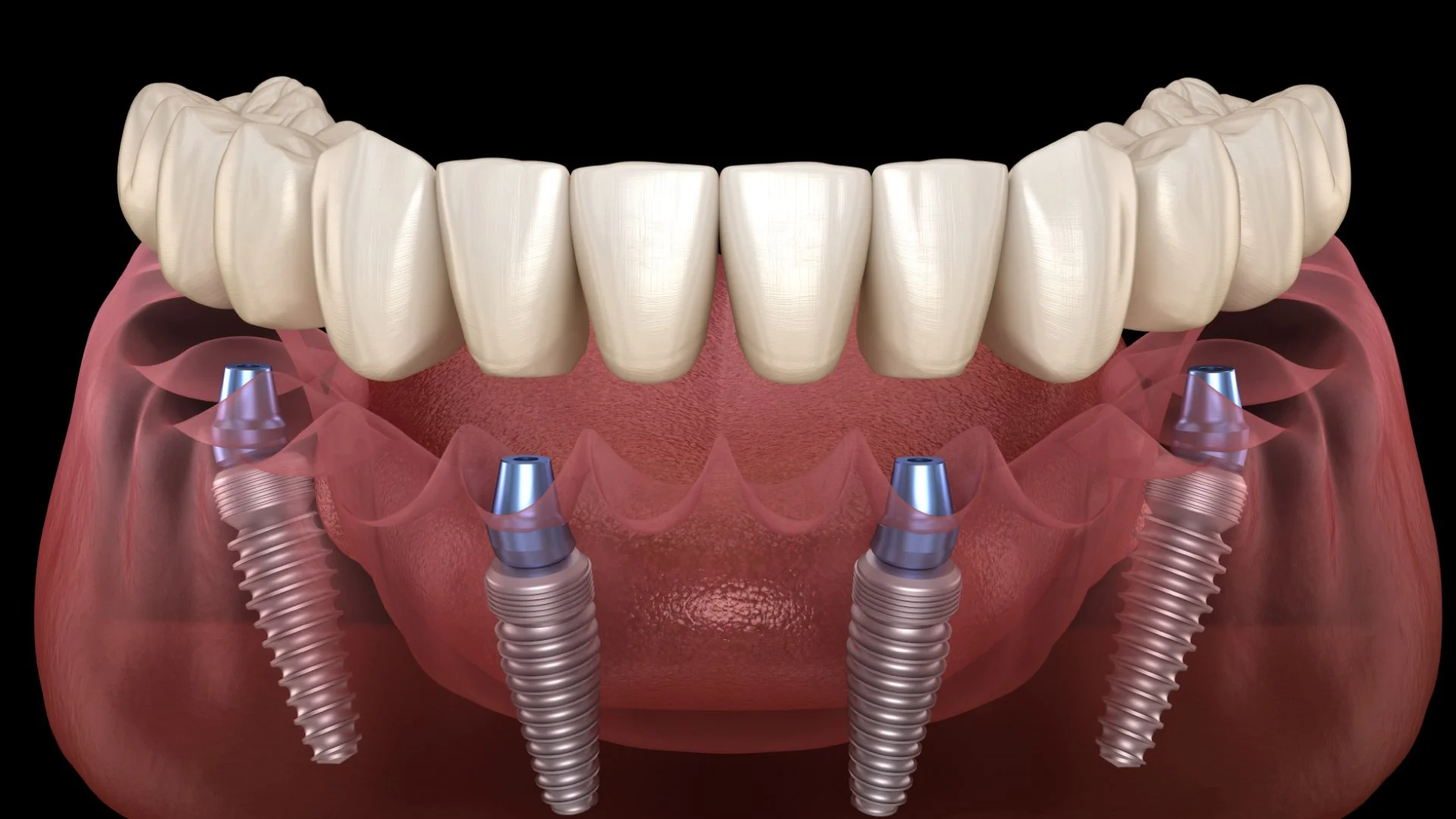
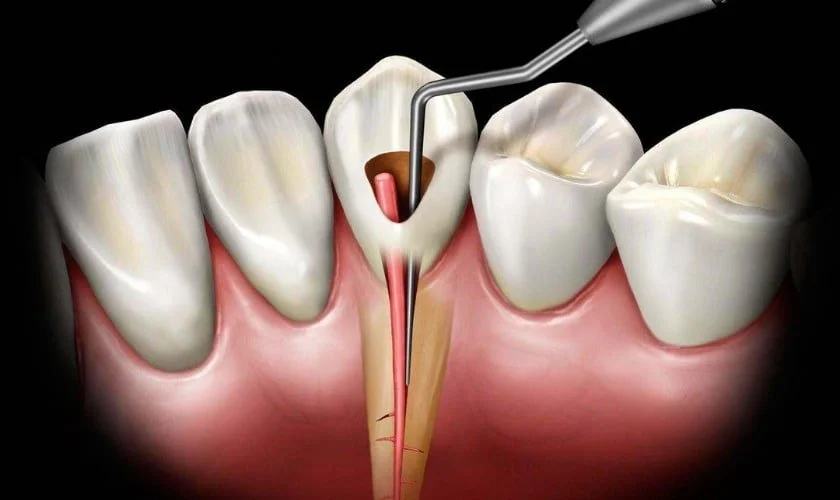
Sleep dentistry is commonly used for procedures such as dental implants, wisdom teeth removal, root canal treatment, cosmetic dentistry, and full-mouth restorations.

For many patients, it transforms the entire dental experience.

Sleep Dentistry Is Not Just for Dental Anxiety

While sleep dentistry is popular for nervous patients, many people choose sedation for completely different reasons.

Patients with sensitive teeth often find long procedures uncomfortable. Sedation helps reduce awareness of discomfort and allows treatment to feel much easier.

People with a strong gag reflex also benefit from sleep dentistry because sedation helps the body relax, making dental procedures smoother and more manageable.

Busy professionals and parents often prefer sleep dentistry because dentists can complete multiple treatments in fewer appointments while patients remain relaxed.

Some patients simply want a more comfortable and stress-free dental experience, especially during complex or lengthy procedures.

Benefits of Sleep Dentistry

One of the biggest advantages of sleep dentistry is comfort. Patients feel calm, relaxed, and less aware of the sights, sounds, and sensations associated with dental treatment.

Sedation also makes time feel much shorter. Procedures that normally feel long or overwhelming often seem to pass very quickly.

Another major benefit is convenience. Dentists can often complete several treatments in a single visit, reducing the need for multiple appointments.

For patients with dental sensitivity, jaw discomfort, or difficulty sitting still, sleep dentistry creates a much more manageable experience.

Types of Sleep Dentistry

Different levels of sedation are available depending on the procedure and patient needs.

Nitrous Oxide Sedation

Also known as laughing gas, nitrous oxide provides mild relaxation while patients remain fully awake and responsive.

Oral Sedation

Oral sedation involves medication taken before the appointment to help patients feel deeply relaxed during treatment.

IV Sleep Dentistry

IV sleep dentistry provides a deeper level of sedation through medication administered directly into the bloodstream.

This option works quickly and is commonly used for complex procedures such as dental implants or full-mouth restorations.

Many patients feel like they slept through the appointment.

Who Can Benefit From Sleep Dentistry?

Sleep dentistry may be ideal for patients who:

  • Have sensitive teeth

  • Have a strong gag reflex

  • Need lengthy dental procedures

  • Have difficulty sitting through appointments

  • Want a more comfortable dental experience

  • Need multiple treatments completed efficiently

  • Experience jaw discomfort during long procedures

It is also highly beneficial for patients undergoing advanced treatments such as dental implants or cosmetic smile makeovers.

Is Sleep Dentistry Safe?

Yes, sleep dentistry is considered very safe when performed by qualified dental professionals. Before treatment, the dental team carefully reviews medical history, medications, and overall health to determine the safest sedation option.

Patients are monitored closely throughout the procedure to ensure safety and comfort at all times.

Modern sedation techniques are highly advanced and widely used in today’s dental clinics.

Why More Patients Are Choosing Sleep Dentistry

Modern dentistry is increasingly focused on patient comfort. As awareness grows, more patients are discovering that dental visits no longer need to feel stressful or uncomfortable.

Sleep dentistry allows people to receive the care they need while feeling calm, relaxed, and comfortable throughout treatment.

For many patients, it changes the way they think about going to the dentist entirely.

Conclusion

Whether you have sensitive teeth, a busy schedule, difficulty sitting through appointments, or simply want a more relaxing dental experience, sleep dentistry offers a safe and comfortable solution.

With modern sedation options and patient-focused care, dental treatment can become easier, faster, and significantly less stressful.

Special Needs Dentistry: Gentle Dental Care for Patients on the Spectrum or With Disabilities

Visiting the dentist can feel challenging for patients with autism, sensory sensitivities, anxiety, or physical and intellectual disabilities. That’s why special needs dentistry focuses on creating a calm, supportive, and comfortable environment tailored to every patient’s individual needs.

Modern dental clinics are increasingly offering compassionate care for patients on the spectrum and individuals with disabilities, helping families access safe and stress-free dental treatment.

What Is Special Needs Dentistry?

Special needs dentistry is a personalised approach to dental care designed for patients who may require additional support during treatment.

This can include patients with:

  • Autism Spectrum Disorder (ASD)

  • Sensory sensitivities

  • ADHD

  • Intellectual disabilities

  • Physical disabilities

  • Dental anxiety or communication challenges

The goal is to create a positive dental experience while ensuring patients receive the oral care they need comfortably and safely.

Creating a Calm and Comfortable Dental Experience

Patients on the spectrum or with disabilities often experience heightened sensitivity to sounds, lights, textures, or unfamiliar environments. A compassionate dental team understands these challenges and adapts treatment accordingly.

Many special needs dental clinics provide:

  • Quiet treatment rooms

  • Gentle communication techniques

  • Sensory-friendly environments

  • Extra appointment time

  • Calm and patient-focused care

  • Sedation dentistry options if required

These adjustments help reduce stress and create a more relaxed experience for both patients and caregivers.

The Importance of Routine Dental Care

Regular dental visits are essential for maintaining oral health and preventing more complex dental issues in the future.

For patients with disabilities or sensory challenges, consistent dental care can help build familiarity and trust over time. Positive experiences also reduce fear and anxiety associated with dental treatment.

Preventive care such as professional cleaning, fluoride treatments, and regular check-ups play an important role in long-term oral health.

Sedation Dentistry for Special Needs Patients

For some patients, sedation dentistry can help make dental treatment more manageable and comfortable.

Options such as nitrous oxide, oral sedation, or IV sedation dentistry may be recommended depending on the patient’s individual needs and level of anxiety.

Sedation can help patients feel calm and relaxed during treatment while allowing dental procedures to be completed safely and efficiently.

Many families find that sedation dentistry significantly improves the overall dental experience for patients with sensory sensitivities or severe anxiety.

Gentle Dentistry for Patients on the Autism Spectrum

Patients with autism often benefit from structured, predictable, and sensory-friendly dental care.

Experienced autism-friendly dentists may use visual explanations, slower introductions to treatment, and clear communication techniques to help patients feel more comfortable.

Simple adjustments such as reducing bright lights, minimising noise, and allowing familiar comfort items can make a significant difference during appointments.

Building trust and routine is essential for creating positive long-term dental experiences for patients on the spectrum.

Support for Families and Caregivers

A caring special needs dental clinic understands that families and caregivers are an important part of the treatment process.

Dentists work closely with parents, support workers, and caregivers to understand each patient’s needs, preferences, and communication style.

This collaborative approach helps create personalised dental care plans that support both comfort and oral health outcomes.

Why Choosing the Right Dentist Matters

Not every dental clinic is experienced in caring for patients with sensory challenges or disabilities. Choosing a dentist with experience in special needs dentistry can make a major difference in comfort, communication, and treatment success.

A patient-focused dental team creates an environment where every individual feels respected, understood, and supported.

Conclusion

Everyone deserves access to comfortable and compassionate dental care. Special needs dentistry helps patients on the spectrum and individuals with disabilities receive high-quality treatment in a calm and supportive environment.

With gentle care, personalised support, and modern sedation options, dental visits can become more positive, manageable, and stress-free for both patients and families.

Dental Sedation: A Stress-Free Way to Enjoy Comfortable Dental Treatment

For many people, visiting the dentist can feel overwhelming. Fear, anxiety, sensitive teeth, or past experiences often prevent patients from getting the dental care they need. Fortunately, dental sedation offers a safe and comfortable solution that helps patients relax during treatment.

Modern sedation dentistry is designed to create a calm, stress-free experience, allowing patients to receive dental care comfortably and confidently.

What Is Dental Sedation?

Dental sedation involves using medication to help patients feel relaxed during dental procedures. Depending on the level of anxiety and the type of treatment, different forms of sedation may be recommended.

Sedation dentistry is commonly used for procedures such as dental implants, wisdom teeth removal, root canal treatment, cosmetic dentistry, and complex restorative work.

For nervous patients, sedation can completely transform the dental experience.

Types of Dental Sedation

There are several types of sedation dentistry, each designed for different comfort levels and procedures.

Nitrous Oxide Sedation

Often called laughing gas, nitrous oxide is a mild form of sedation inhaled through a mask. It helps patients feel calm and relaxed while remaining awake and responsive throughout treatment.

This is a popular option for patients with mild dental anxiety.

Oral Sedation

Oral sedation involves taking prescribed medication before the appointment to reduce anxiety and create a deeply relaxed feeling.

Patients remain conscious but feel calm and comfortable during the procedure. Many people remember very little about the treatment afterward.

IV Sedation Dentistry

IV sedation dentistry provides a deeper level of relaxation through medication administered directly into the bloodstream.

This type of sedation works quickly and is ideal for patients with severe dental anxiety or those undergoing lengthy dental procedures.

Many patients feel as though the treatment passes very quickly.

Benefits of Dental Sedation

One of the biggest benefits of dental sedation is reduced anxiety. Patients who previously avoided the dentist can finally receive the care they need without fear or stress.

Sedation also helps patients feel physically relaxed, making long or complex treatments much more comfortable.

For people with sensitive teeth, strong gag reflexes, or difficulty sitting through procedures, sedation dentistry creates a significantly easier experience.

Another major advantage is efficiency. Dentists can often complete multiple procedures in fewer visits when patients are relaxed and comfortable.

Who Can Benefit from Sedation Dentistry?

Sedation dentistry is ideal for patients who:

  • Experience dental anxiety or fear

  • Have sensitive teeth

  • Need extensive dental treatment

  • Have difficulty sitting still for long periods

  • Have a strong gag reflex

  • Avoid dental visits due to stress or nervousness

Whether you need a routine procedure or advanced treatment like dental implants, sedation can help make your visit calm and manageable.

Is Dental Sedation Safe?

Yes, dental sedation is considered very safe when performed by trained dental professionals. Before treatment, your dentist will review your medical history, medications, and overall health to determine the most suitable sedation option.

Throughout the procedure, patients are carefully monitored to ensure comfort and safety at all times.

Modern sedation techniques are highly effective and widely used in advanced dental care.

What Does Sedation Dentistry Feel Like?

Most patients describe sedation dentistry as calming and relaxing. Depending on the type of sedation used, you may feel sleepy, peaceful, or unaware of time passing.

Many patients are surprised at how quickly and comfortably their dental treatment is completed.

For people with dental anxiety, sedation often changes their entire perception of visiting the dentist.

Sedation Dentistry for Dental Implants

Many patients choose IV sedation dentistry during dental implant procedures to ensure maximum comfort.

Sedation helps patients remain relaxed throughout implant placement, reducing stress and making the experience much easier than expected.

This combination of modern implant dentistry and sedation creates a smoother, more positive treatment experience.

Why More Patients Are Choosing Sedation Dentistry

As modern dentistry continues to evolve, more patients are discovering the benefits of comfortable, anxiety-free treatment.

Sedation dentistry allows people to prioritise their oral health without fear, discomfort, or stress. It has become one of the most requested services in modern dental clinics because it helps patients feel confident, calm, and in control.

Conclusion

If fear or anxiety has stopped you from visiting the dentist, dental sedation could be the solution you’ve been looking for. From mild relaxation to deeper sedation options, modern sedation dentistry makes dental treatment more comfortable and stress-free than ever before.

Whether you need a routine procedure or advanced dental care, sedation can help you enjoy a calmer and more positive dental experience.