Single Anterior Dental Implant: Why It’s the Best Option for Replacing a Front Tooth

Losing a front tooth can affect far more than just your smile. It can impact your confidence, speech, chewing ability, and overall oral health. Fortunately, modern dentistry offers a highly effective and natural-looking solution: the single anterior dental implant.

A single anterior dental implant is considered one of the best long-term options for replacing a missing front tooth because it restores both function and aesthetics while preserving the surrounding teeth and jawbone.

In this article, we’ll explain what a single anterior dental implant is, why it’s often the preferred treatment, and the benefits it offers compared to bridges or removable dentures.

What Is a Single Anterior Dental Implant?

A single anterior dental implant is a dental implant used to replace one missing front tooth.

The treatment typically includes:

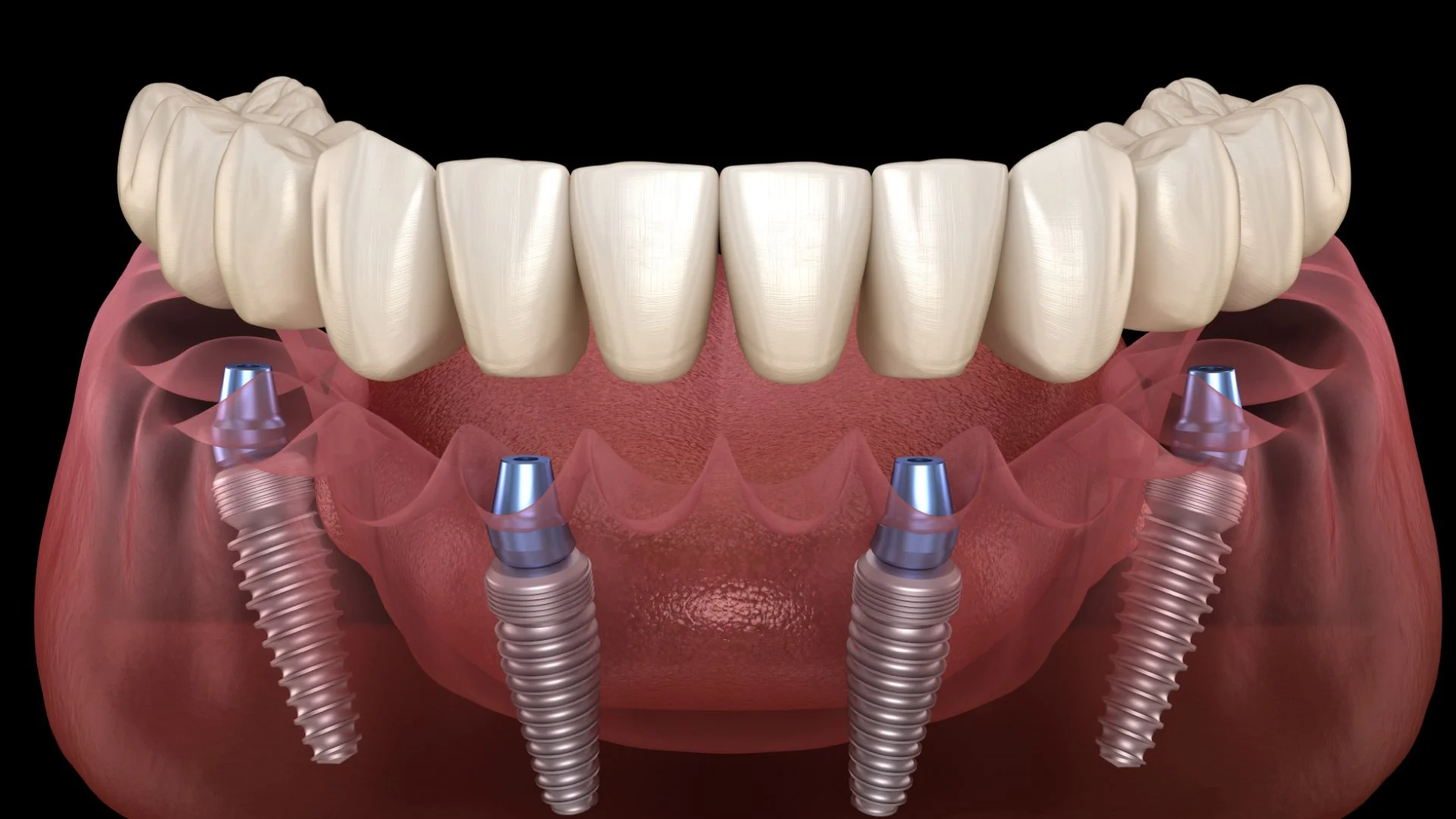
  • A titanium implant placed into the jawbone

  • An abutment connecting the implant to the crown

  • A custom-made dental crown designed to match surrounding teeth

The implant acts like an artificial tooth root, providing stability and long-term support.

Why Replacing a Missing Front Tooth Matters

Front teeth play an important role in:

  • Smiling and facial appearance

  • Clear speech pronunciation

  • Biting and chewing

  • Supporting facial structure

  • Maintaining confidence in social situations

Leaving a missing front tooth untreated may lead to:

  • Bone loss in the jaw

  • Shifting of nearby teeth

  • Bite problems

  • Difficulty eating certain foods

  • Reduced self-confidence

Replacing the tooth early helps preserve both oral health and appearance.

Why a Single Anterior Dental Implant Is the Best Option

Dental implants are widely considered the gold standard for replacing a missing tooth — especially in the aesthetic front region.

Here’s why.

1. Natural Appearance and Aesthetics

One of the biggest advantages of a single anterior dental implant is its highly natural appearance.

Modern implant crowns are custom-designed to match:

  • Tooth color

  • Shape

  • Size

  • Alignment

  • Natural translucency

When performed by an experienced dentist, the implant can blend seamlessly with the surrounding teeth.

Most people won’t even notice it’s an artificial tooth.

2. Preserves Adjacent Teeth

Unlike traditional dental bridges, a single implant does not require shaving down healthy neighboring teeth.

A dental bridge often relies on adjacent teeth for support, which can weaken otherwise healthy tooth structure over time.

A single anterior implant stands independently, helping preserve the natural teeth around it.

3. Prevents Bone Loss

One major issue after tooth loss is jawbone deterioration.

When a tooth root is missing, the surrounding bone no longer receives stimulation during chewing, causing gradual bone resorption.

Dental implants help preserve bone by functioning like a natural tooth root.

This is especially important in the front of the mouth, where bone loss can affect facial appearance and gum aesthetics.

4. Long-Term Durability

With proper care, dental implants can last for many years — often decades.

Compared to removable dentures or bridges that may require replacement over time, implants offer exceptional durability and stability.

Benefits include:

  • Strong biting function

  • Resistance to decay

  • Long-lasting support

  • Minimal maintenance

Good oral hygiene and regular dental check-ups are essential for long-term success.

5. Improved Confidence and Comfort

A missing front tooth can make people feel self-conscious when smiling, speaking, or eating.

A single anterior implant restores confidence by providing a secure and natural-looking replacement.

Unlike removable partial dentures, implants do not move or shift during speech or meals.

Patients often report feeling like they have their natural tooth back.

6. Better Speech and Chewing Ability

Front teeth are important for pronunciation and biting into foods.

Missing a front tooth may cause speech difficulties or discomfort while eating.

Dental implants restore normal function, allowing patients to:

  • Speak clearly

  • Bite comfortably

  • Eat with confidence

Because implants are securely anchored into the jawbone, they function much like natural teeth.

Single Dental Implant vs Dental Bridge

Many patients wonder whether a dental implant or bridge is the better choice.

Dental Implant Advantages:

  • Preserves adjacent teeth

  • Prevents bone loss

  • Longer lifespan

  • More natural feel

  • Easier cleaning and maintenance

  • Improved long-term oral health

Dental Bridge Disadvantages:

  • Requires reduction of healthy teeth

  • Does not prevent bone loss

  • May need replacement after several years

  • Higher risk of decay under supporting crowns

Although implants may have a higher upfront cost, they are often more cost-effective over the long term.

The Single Anterior Dental Implant Procedure

The treatment process usually involves several stages.

Consultation and Planning

Your dentist will evaluate:

  • Bone quality

  • Gum health

  • Bite alignment

  • Aesthetic considerations

Digital scans and X-rays help plan implant placement precisely.

Implant Placement

The titanium implant is surgically inserted into the jawbone.

Healing time typically ranges from 3–6 months as the implant integrates with the bone through a process called osseointegration.

Crown Placement

Once healing is complete, a custom crown is attached to the implant.

The final result is designed to look and function like a natural tooth.

Who Is a Good Candidate for a Front Tooth Implant?

Most healthy adults with sufficient bone support are good candidates.

Ideal candidates typically:

  • Have healthy gums

  • Do not smoke heavily

  • Maintain good oral hygiene

  • Have adequate jawbone density

  • Are free from uncontrolled medical conditions

If bone loss is present, bone grafting procedures may sometimes be recommended.

How to Care for a Dental Implant

Caring for a dental implant is similar to caring for natural teeth.

Important Maintenance Tips:

  • Brush twice daily

  • Floss regularly

  • Attend routine dental visits

  • Avoid smoking

  • Wear a night guard if grinding teeth

Good maintenance helps ensure long-term implant success.

Are Single Anterior Dental Implants Worth It?

For many patients, the answer is yes.

A single anterior dental implant offers:

  • Excellent aesthetics

  • Long-term durability

  • Bone preservation

  • Improved confidence

  • Better oral function

  • A highly natural appearance

While every patient’s situation is unique, implants are often considered the most advanced and predictable solution for replacing a missing front tooth.

Final Thoughts

A missing front tooth can significantly affect your appearance, confidence, and oral health. A single anterior dental implant provides a durable, natural-looking, and long-lasting solution that closely mimics the function of a real tooth.

Compared to bridges or removable appliances, dental implants offer superior aesthetics, better bone preservation, and improved long-term oral health.

If you are considering replacing a missing front tooth, consulting with an experienced implant dentist can help determine whether a single anterior dental implant is the right option for you.

Frequently Asked Questions

How long does a single anterior dental implant last?

With proper care and regular dental visits, dental implants can last decades.

Is a front tooth implant painful?

Most patients experience minimal discomfort during and after the procedure. Local anesthesia and modern techniques make treatment highly manageable.

Can people tell if you have a dental implant?

Modern implant crowns are designed to blend naturally with surrounding teeth, making them difficult to detect.

Is a dental implant better than a bridge?

In many cases, yes. Implants preserve bone and adjacent teeth while offering better long-term durability.

How much does a single front tooth implant cost?

Costs vary depending on location, materials, and whether additional procedures such as bone grafting are needed.

Bruxism: The Long-Term Effects of Teeth Grinding if Left Untreated

Do you wake up with headaches, jaw soreness, or sensitive teeth? You may be experiencing bruxism, a condition commonly known as teeth grinding or jaw clenching. While occasional grinding may seem harmless, untreated bruxism can cause serious long-term damage to your teeth, jaw, and overall oral health.

Many people grind their teeth during sleep without realizing it. Over time, the constant pressure placed on the teeth and jaw can lead to chronic pain, damaged enamel, cracked teeth, and even temporomandibular joint (TMJ) disorders.

In this article, we’ll explore the long-term effects of bruxism if left untreated, the warning signs to look for, and the best treatment options available.

What Is Bruxism?

Bruxism is the involuntary grinding, gnashing, or clenching of teeth. It can happen during the day or while sleeping.

There are two main types:

Sleep Bruxism

Occurs during sleep and is often linked to stress, sleep disorders, or airway issues.

Awake Bruxism

Usually involves jaw clenching during periods of concentration, stress, or anxiety.

Although mild cases may not cause immediate damage, persistent grinding can significantly affect your oral health over time.

Common Symptoms of Bruxism

Many people don’t realize they have bruxism until symptoms become severe. Common signs include:

  • Jaw pain or tightness

  • Morning headaches

  • Tooth sensitivity

  • Worn or flattened teeth

  • Chipped or cracked teeth

  • Earaches without infection

  • Facial muscle fatigue

  • Disturbed sleep

  • Clicking or popping jaw joints

If these symptoms sound familiar, it’s important to seek professional dental advice before permanent damage occurs.

Long-Term Effects of Untreated Bruxism

Ignoring bruxism can lead to serious complications that worsen over time. Here are the most common long-term consequences.

1. Severe Tooth Wear and Enamel Loss

One of the earliest and most damaging effects of bruxism is enamel erosion.

Your enamel is the protective outer layer of your teeth. Constant grinding slowly wears it down, exposing the softer dentin underneath.

Long-Term Consequences Include:

  • Increased tooth sensitivity

  • Yellowing teeth

  • Flattened biting surfaces

  • Higher risk of cavities

  • Permanent tooth damage

Once enamel is lost, it does not grow back naturally.

2. Cracked, Chipped, or Broken Teeth

Bruxism places excessive force on the teeth — often stronger than normal chewing forces.

Over time, this pressure can cause:

  • Hairline fractures

  • Chipped teeth

  • Broken fillings or crowns

  • Split teeth requiring extraction

Severe cases may require expensive restorative treatments such as crowns, veneers, root canals, or dental implants.

3. Chronic Jaw Pain and TMJ Disorders

Untreated bruxism commonly affects the temporomandibular joints (TMJ), which connect the jaw to the skull.

Excessive clenching overworks the jaw muscles and strains the joints.

Symptoms of TMJ Disorders Include:

  • Jaw clicking or popping

  • Difficulty opening the mouth

  • Pain while chewing

  • Locked jaw

  • Facial pain

  • Neck and shoulder tension

TMJ disorders can become chronic and significantly impact quality of life.

4. Persistent Headaches and Facial Pain

Many chronic headaches are linked to nighttime teeth grinding.

The repeated tension in the jaw muscles can trigger:

  • Tension headaches

  • Migraine flare-ups

  • Facial muscle soreness

  • Pain around the temples

People often mistake these symptoms for stress or poor sleep without realizing bruxism is the underlying cause.

5. Tooth Loss

In advanced cases, untreated bruxism can eventually lead to tooth loss.

Grinding weakens the teeth and supporting structures over time. Combined with fractures and gum recession, some teeth may become too damaged to save.

Tooth loss can affect:

  • Speech

  • Eating ability

  • Facial appearance

  • Self-confidence

  • Overall oral function

Replacing missing teeth often requires implants, bridges, or dentures.

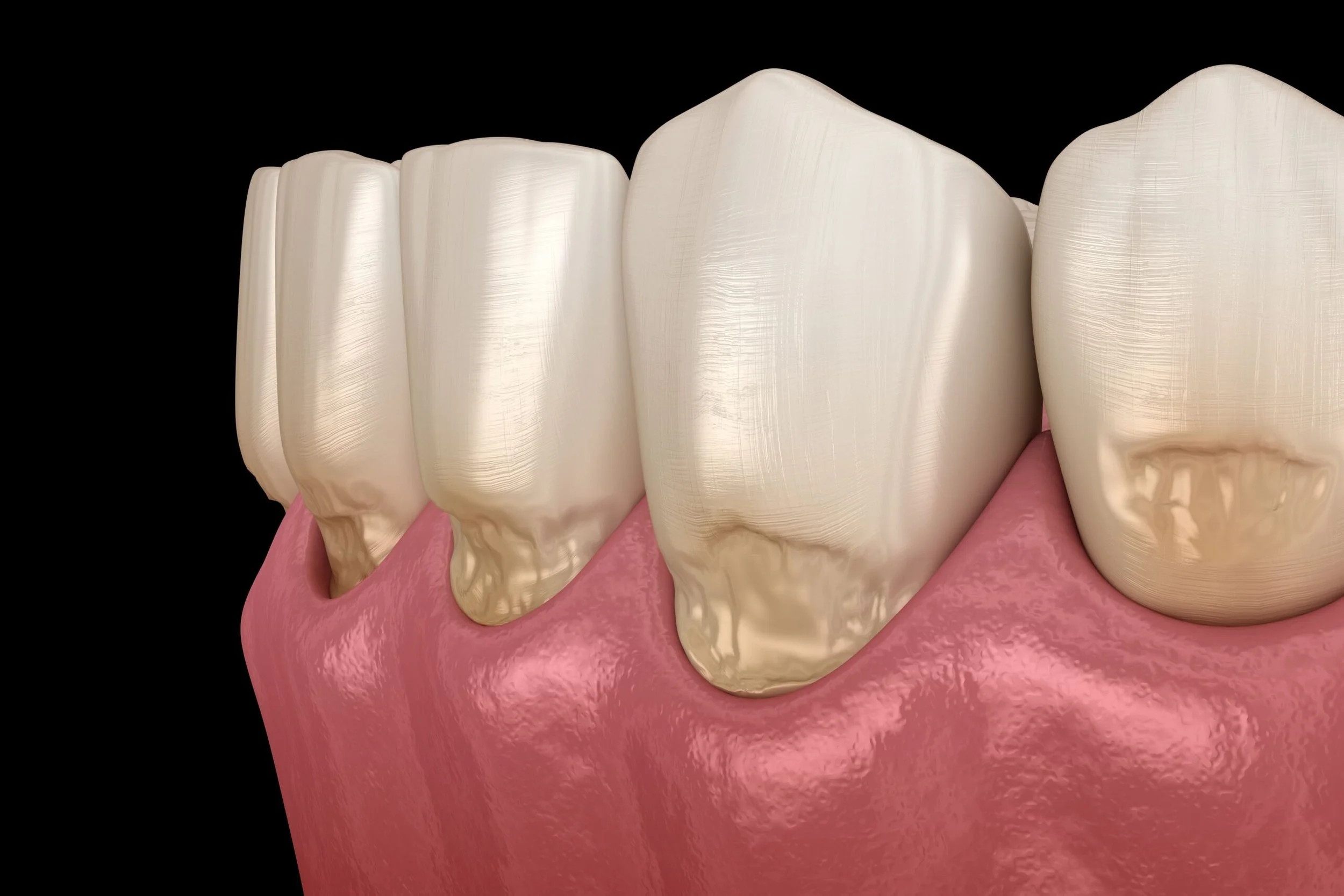
6. Gum Recession and Increased Tooth Sensitivity

The excessive pressure caused by clenching and grinding can contribute to gum recession.

As gums pull away from the teeth, the roots become exposed, leading to:

  • Extreme sensitivity to hot and cold

  • Higher risk of root decay

  • Increased vulnerability to infection

Receding gums may require periodontal treatment if left untreated.

7. Poor Sleep Quality

Sleep bruxism can interfere with restorative sleep.

Grinding episodes may cause frequent nighttime awakenings, jaw discomfort, or disturbed sleep for both the individual and their partner.

Poor sleep quality can contribute to:

  • Fatigue

  • Difficulty concentrating

  • Irritability

  • Increased stress levels

Ironically, stress itself is a major trigger for bruxism, creating a difficult cycle.

What Causes Bruxism?

Bruxism often develops from a combination of physical, psychological, and lifestyle factors.

Common Causes Include:

  • Stress and anxiety

  • Sleep disorders

  • Misaligned bite

  • Caffeine or alcohol consumption

  • Smoking

  • Certain medications

  • Obstructive sleep apnea

Identifying the root cause is an important step in treatment.

How Dentists Diagnose Bruxism

A dentist can often identify bruxism during a routine examination.

Signs may include:

  • Worn enamel

  • Tooth fractures

  • Jaw tenderness

  • Enlarged jaw muscles

  • Damage to dental restorations

In some cases, sleep studies may be recommended if sleep apnea is suspected.

Treatment Options for Bruxism

The good news is that bruxism is treatable, especially when caught early.

Custom Night Guards

A professionally made night guard helps protect the teeth from grinding damage while reducing pressure on the jaw.

Stress Management

Reducing stress through exercise, meditation, therapy, or relaxation techniques may decrease grinding episodes.

Bite Adjustment

If bite misalignment contributes to bruxism or dental adjustments may help.

Botox for Bruxism

In some cases, Botox injections can relax overactive jaw muscles and reduce clenching intensity.

Sleep Apnea Treatment

If sleep apnea is involved, treating the airway issue may significantly improve bruxism symptoms.

When Should You See a Dentist?

You should schedule a dental evaluation if you experience:

  • Frequent headaches

  • Jaw pain

  • Sensitive or worn teeth

  • Teeth grinding noticed by a partner

  • Broken dental work

  • Difficulty opening or closing your mouth

Early treatment can prevent long-term complications and save you from costly dental procedures later.

Preventing the Long-Term Effects of Bruxism

Here are simple ways to reduce the risk of severe damage:

  • Wear a custom night guard

  • Reduce stress levels

  • Avoid chewing ice or hard objects

  • Limit caffeine and alcohol before bed

  • Practice jaw relaxation exercises

  • Maintain regular dental check-ups

Small lifestyle changes can make a significant difference.

Final Thoughts

Bruxism is more than just an annoying habit — it’s a serious condition that can cause lasting damage if ignored.

From worn enamel and cracked teeth to chronic jaw pain and tooth loss, the long-term effects of untreated bruxism can significantly affect your oral health and quality of life.

The earlier bruxism is diagnosed and treated, the better the outcome. If you suspect you may be grinding your teeth, consult a dental professional for a proper evaluation and personalized treatment plan.

Protecting your teeth today can help you avoid painful and expensive dental problems in the future.

Frequently Asked Questions About Bruxism

Can bruxism go away on its own?

Mild cases may improve temporarily, but persistent bruxism often requires professional treatment to prevent long-term damage.

Is teeth grinding dangerous?

Yes. Chronic teeth grinding can lead to enamel loss, cracked teeth, jaw disorders, headaches, and tooth loss.

What is the best treatment for bruxism?

Treatment depends on the cause but often includes custom night guards, stress management, and addressing underlying sleep or bite issues.

Can stress cause bruxism?

Yes. Stress and anxiety are among the most common triggers for teeth grinding and jaw clenching.

How do I know if I grind my teeth at night?

Common signs include morning headaches, jaw soreness, tooth sensitivity, and reports of grinding noises from a sleep partner.

Is Your Gum Health Trying to Tell You Something?

Bleeding when you brush? Gums that look a little red or puffy? You might be brushing it off, but your mouth could be sending you an early warning sign of gingivitis.

Gingivitis is the most common form of gum disease, and the good news is it's completely reversible when caught early. The not-so-good news? Most people don't realise they have it until it's progressed further than it needed to.

What Is Gingivitis?

Gingivitis is an inflammation of the gums caused by a buildup of plaque — the sticky film of bacteria that forms on your teeth every day. Left undisturbed, plaque irritates the gum tissue, causing redness, swelling, and that tell-tale bleeding when you brush or floss.

Common signs to watch for:

  • Gums that bleed easily

  • Persistent bad breath

  • Swollen or tender gums

  • Gums that appear darker red than usual

Why It's Worth Taking Seriously

Gingivitis might seem minor, but untreated it can develop into periodontitis which is a more serious infection that damages the bone supporting your teeth and can eventually lead to tooth loss. Research also links poor gum health to broader health concerns including heart disease and diabetes.

The encouraging part? At the gingivitis stage, your gums can fully recover with the right care.

What You Can Do

A professional clean with your dentist is the most effective reset. Removing hardened plaque (tartar) that brushing alone can't touch. From there, a consistent routine of twice-daily brushing, daily flossing, and regular check-ups is usually all it takes to keep gingivitis at bay.

If it's been a while since your last visit, there's no better time to book in. At Pain Free Dentist Sydney, we'll check your gum health as part of every appointment, gently, thoroughly, and without judgement.

Book your check-up today. Your gums will thank you.

Pain Free Dentist Sydney - Dentist Dulwich Hill, Hurlstone Park NSW

Address:
Suite G1A, 570 New Canterbury Road, Hurlstone Park NSW 2193, Australia

Phone:
(02) 9558 8988

Email:
info@painfreedentistsydney.com.au

Website: www.painfreedentistsydney.com.au